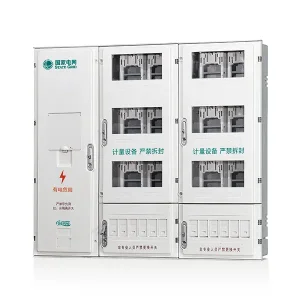
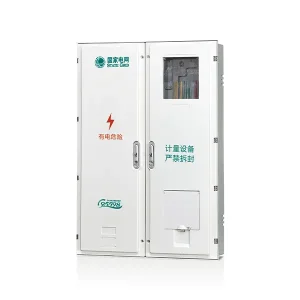
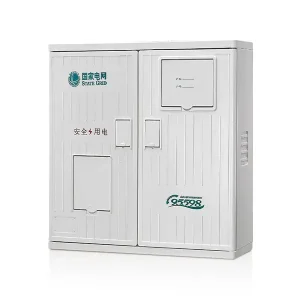
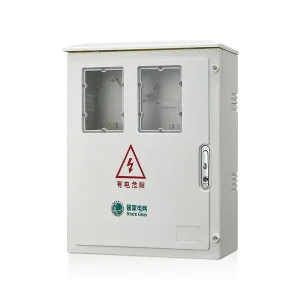
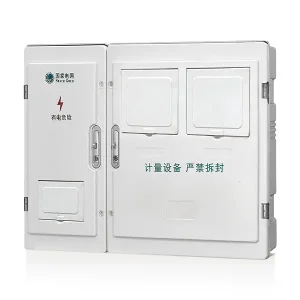
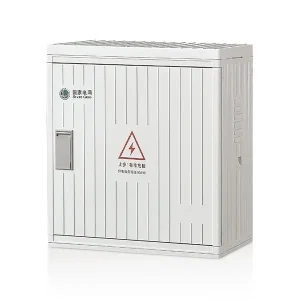
Precision Distribution Enclosures & Metering Assemblies
Engineered for high dielectric integrity, tamper mitigation, and extreme outdoor operational reliability in modern ring and radial networks.
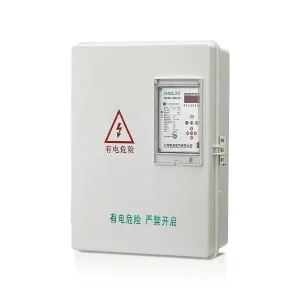
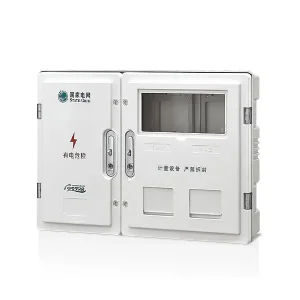
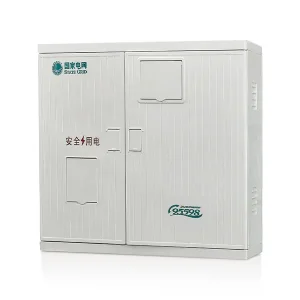
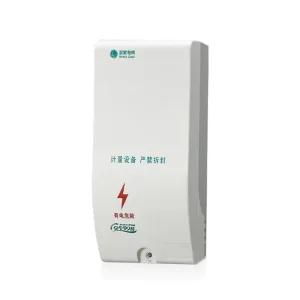
The Semantic Meaning of "Fungsi Ring Main Unit"
Decoupling linguistic terminology and functional engineering in secondary MV/LV distribution architectures.
In international power engineering tenders, the phrase "fungsi ring main unit" translates directly from Indonesian and Malay to "the function of a Ring Main Unit (RMU)". However, across global cross-border procurement databases, B2B marketplaces, and tender inquiries, global electrical contractors frequently search for "China Fungsi Ring Main Unit Suppliers & Factories" as an umbrella procurement keyword. This query encapsulates both the theoretical switchgear operating mechanism and the physical hardware ecosystems manufactured by China's premier electrical equipment clusters in Yueqing, Zhejiang.
A Ring Main Unit (RMU) serves as the indispensable structural core of medium-voltage (MV) secondary distribution networks (typically operating between 11 kV, 24 kV, and 36 kV), interfacing directly with low-voltage (LV) transformation and revenue metering hubs. The fundamental fungsi (function) of an RMU is to deliver continuous, uninterrupted electrical service via an open- or closed-loop ring cable topology. By enabling multi-source dual feeding, an RMU allows faulty distribution segments to be isolated instantly through load-break switches (LBS) or vacuum circuit breakers (VCB) without interrupting power to adjoining substations, civil districts, or critical industrial facilities.
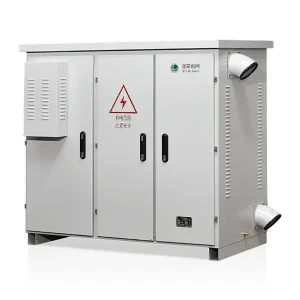
At Zhejiang Teyi Electric Co., Ltd., located in the Yueqing Economic Development Zone—the world-renowned "Electrical Capital of China"—our manufacturing philosophy encompasses this entire energy delivery chain. From high-integrity compression-molded Sheet Molding Compound (SMC) meter boxes to stainless steel JP cabinets and intelligent medium-voltage switchgear architectures, our engineering teams ensure that every protective enclosure and switching node satisfies strict IEC 62271, IEC 61439, and ISO9001 performance parameters.
Global Market Dynamics & Operational Imperatives
How urbanization, renewable integration, and harsh-environment hardening are transforming secondary switchgear procurement.
Rapid Smart Grid Modernization
Global utilities are transitioning from manual overhead network topologies to underground ring systems. This shift requires RMU assemblies equipped with integrated Fault Passage Indicators (FPI), motor operators, and Remote Terminal Units (RTU) to reduce System Average Interruption Duration Indices (SAIDI) to near zero.
Distributed Energy (DER) Integration
The explosive proliferation of commercial rooftop photovoltaic (PV) systems and utility-scale solar farms demands bidirectional power flow management. RMUs and their associated metering hubs must handle variable generation spikes, phase unbalance, and intermittent reverse power flow without thermal breakdown.
Aggressive Climate Hardening
From coastal saline spray in Southeast Asia to hyper-arid desert installations in the Middle East, secondary distribution gear must eliminate atmospheric galvanic corrosion. This is driving the global adoption of SMC composite enclosures, hermetically sealed gas tanks, and IP54/IP65 ingress sealing standards.
Engineering Evolution: RMU Insulation & Switching Architectures
A comparative structural analysis of primary insulation mediums dominating the global market today.
| Technology Type | Insulation & Quenching Medium | Dielectric & Eco Footprint | Maintenance Profile | Target Installation Scenarios |
|---|---|---|---|---|
| Gas-Insulated RMU (GIS) | Sulfur Hexafluoride (SF6) gas or eco-fluoronitrile blends | Exceptional arc extinction; high dielectric strength; subject to global GWP greenhouse regulations. | Hermetically sealed for life (30+ years); zero internal maintenance required; requires pressure monitoring. | Subterranean vaults, compact civil packaged substations, highly humid and flood-prone tropical urban networks. |
| Solid-Insulated RMU (SIS) | Epoxy resin shielding & silicone rubber boots | 100% SF6-free; zero global warming potential; eliminates explosive phase-to-phase flashover risks completely. | Modular pole units; maintenance-free contact design; robust resistance against physical dust ingress and shock. | High-density residential basements, metro railway stations, mining facilities with volatile atmospheric dust. |
| Air-Insulated RMU (AIS) | Atmospheric dry air combined with vacuum interrupters | Zero environmental contamination; larger physical footprint due to lower inherent dielectric clearance requirements. | Requires periodic visual inspection, busbar cleaning, and scheduled mechanical linkage lubrication. | Rural distribution loops, industrial overhead feeder tie-ins, and cost-sensitive secondary radial substations. |
| Eco-Gas / Clean-Air RMU | Engineered synthetic air (N2/O2 mix) + Vacuum Interrupter | Zero halogen, zero fluorinated greenhouse gas emissions; fully compliant with forthcoming EU and international F-gas bans. | Hermetically welded stainless steel tank, lifetime sealed vacuum interrupter, digital sensor monitoring. | Forward-looking green building certifications, utility environmental compliance pilot schemes worldwide. |
As international sustainability mandates tighten, Chinese manufacturers are pioneering scalable alternatives to SF6. Teyi Electric aligns with this industry trajectory by supplying corrosion-resistant exterior enclosures, modular busbar interfaces, and precision secondary metering housings that house either conventional or next-generation eco-friendly switchgear configurations.
Localized Engineering Use Cases & Substation Architectures
Real-world integration scenarios where RMUs and Teyi Electric's secondary distribution products converge.
Urban Residential Microgrids
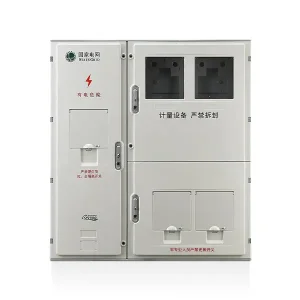
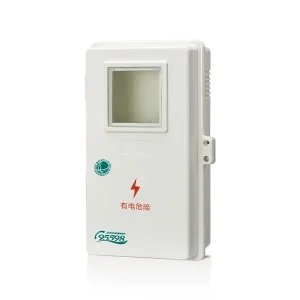
In high-density apartment developments, multi-way RMUs (typically 2-in-1-out or 3-in-1-out configurations) feed dedicated step-down dry-type transformers. Teyi's TY-SXD2 series SMC multi-meter boxes and intermediate protection cabinets are installed immediately adjacent, providing isolated compartments for utility revenue metering, customer circuit breakers, and automated meter reading (AMR/AMI) concentrators with anti-tamper seals.
Commercial Solar & BESS Integration
For ground-mounted and commercial solar PV installations, RMUs provide crucial loop protection between multiple string inverters, battery energy storage systems (BESS), and the primary utility point of common coupling (PCC). Teyi's photovoltaic grid-connection boxes and stainless steel JP cabinets ensure high-precision bidirectional CT metering and lightning surge protection.
Heavy Industrial & Chemical Plants
Heavy continuous-process industries cannot tolerate voltage dips or power interruptions. RMU loop topologies ensure instantaneous automatic bus transfer (ABT). Enclosures in these plants face aggressive chemical vapors; Teyi's compression-molded fiberglass reinforced polyester (SMC/GRP) cabinets deliver complete chemical inertness and Class II electrical shock insulation.
End-to-End OEM/ODM Solutions from Yueqing, China
How global EPC contractors and power utilities leverage our complete industrial manufacturing supply chain.
Advanced SMC Compression Molding
We operate hydraulic compression molding presses capable of delivering hundreds of metric tons of clamping force. Our proprietary unsaturated polyester glass-fiber reinforced sheet molding compound formulations deliver exceptional tensile strength, impact resistance (IK10), and UV resistance exceeding 30 years of direct tropical sun exposure.
Automated Sheet Metal & Stainless Fabrication
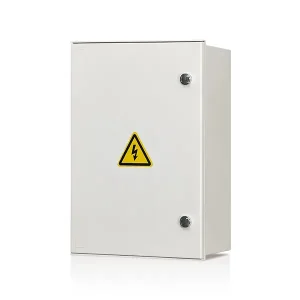
For custom tender requirements specifying metallic enclosures, our precision CNC laser cutting, turret punching, and robotic TIG welding lines process 304 and 316-grade stainless steel cabinets. Every cabinet features multi-bend water sheds, polyurethane foamed-in-place sealing gaskets, and durable outdoor thermoset powder coating.
Comprehensive Verification & Testing
Quality assurance is embedded at every stage of production. From raw material melt-flow and resin cure analysis to IP code water jet testing, high-voltage dielectric withstand verification, and thermal temperature rise evaluations, we ensure that every batch leaving our factory meets or exceeds tender criteria.
Frequently Asked Technical & Procurement Questions
In-depth engineering answers to clarify equipment selection, international compliance, and customization.
Three-Phase, Transformer & Distribution Terminal Products
Explore our full catalog of high-performance metering systems, branch boxes, and transformer-rated distribution assemblies.