China TY-FXX junction box Manufacturer, Supplier
Product Description
Applications
Used for electrical wiring within buildings, connecting power lines and load lines.
Used to connect sensors, actuators, and controllers in industrial equipment and automation systems.
Used for cable connection and signal transmission in railway, subway and highway traffic signal systems.
Used for the connection and distribution of cables in communication base stations and network equipment.
Inside household appliances, it serves as the connection point between the power cord and the internal circuit.
Effect & Capabilities
Provide safe and reliable electrical connection to ensure the normal flow of current.
Prevent the external environment from damaging the cable connection and avoid potential safety hazards such as short circuit and leakage.
Distribute power from one main cable to multiple branches to facilitate the power supply of electrical equipment.
Centralized connection points facilitate inspection and maintenance, reducing the difficulty of troubleshooting.
Through good insulation and sealing design, the risk of electric shock and fire is reduced.
Product Installation and Use
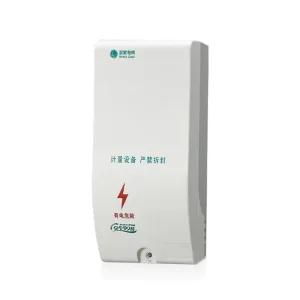
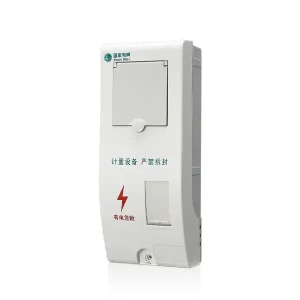
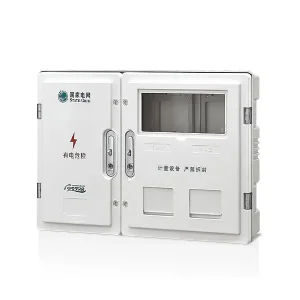
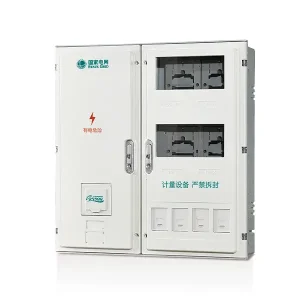
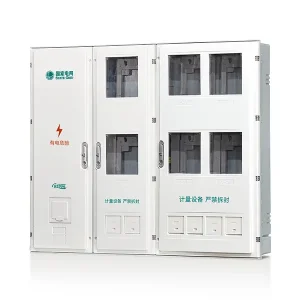
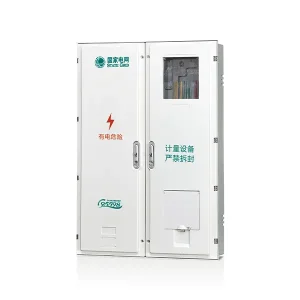
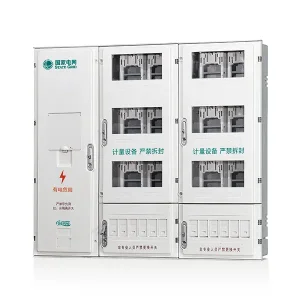
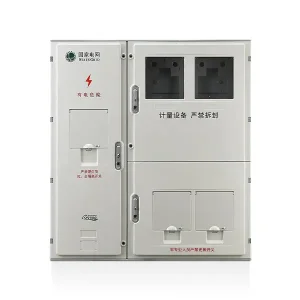
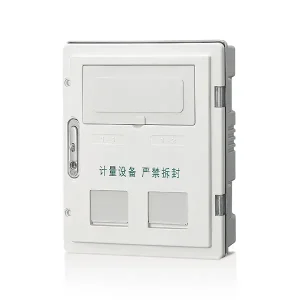
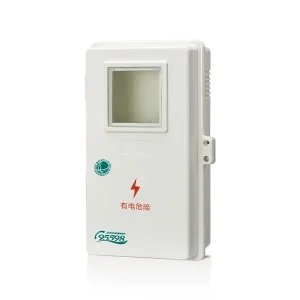
Please carefully check the integrity of all parts of the meter box during installation.
The meter box should be installed vertically and the tilt angle should not exceed 54°.
The installation location should be selected where there is no severe vibration, impact, or corrosion to electrical components.
The material used in the meter box is not resistant to strong alkali, oxidizing acid, amine, ketone, and soluble in chlorinated hydrocarbons and aromatic solvents. Therefore, it should be avoided from contact or use with these chemicals. During use, sharp objects and hard objects should be avoided from colliding and scratching the surface of the meter box.
When installing the meter box, try to choose a cool and dry place to avoid long-term direct sunlight to extend the service life of the meter.
The fixing positions of the meter box for fixing on the wall or crossarm are all located inward, so the box must be opened before installation. First, remove the two upper cover fixing screws located in the middle of the lower part of the meter box, and then open the box according to the instructions here.
According to the location of the installation holes, drill the installation holes at the corresponding positions of the wall, install the expansion tube, then fix the base to the wall and install the upper cover.
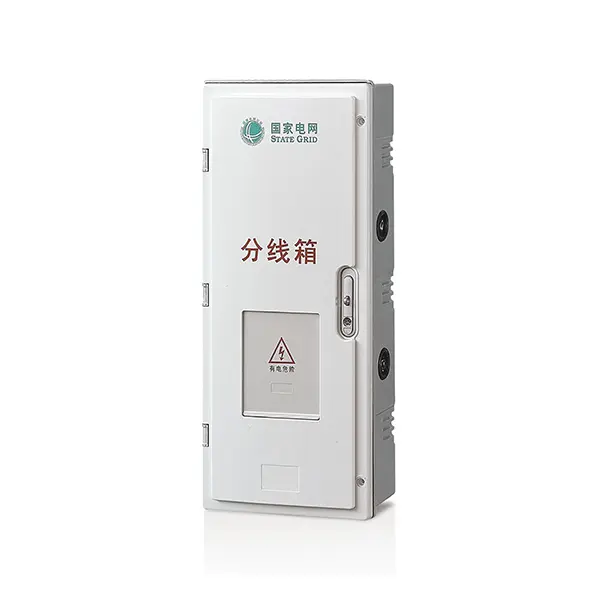
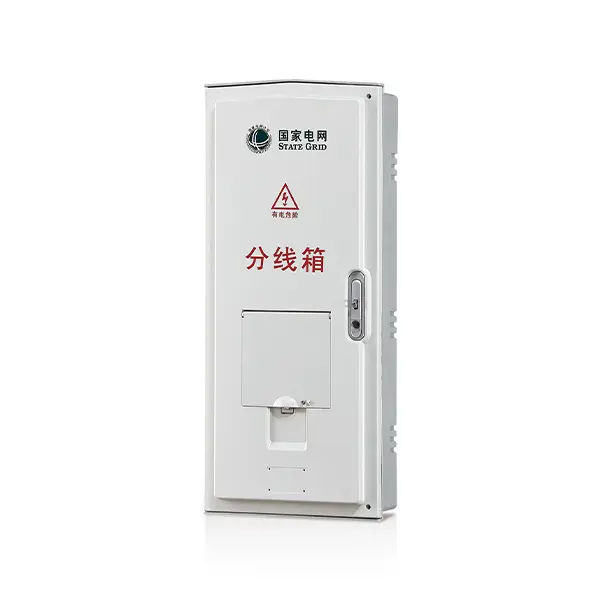
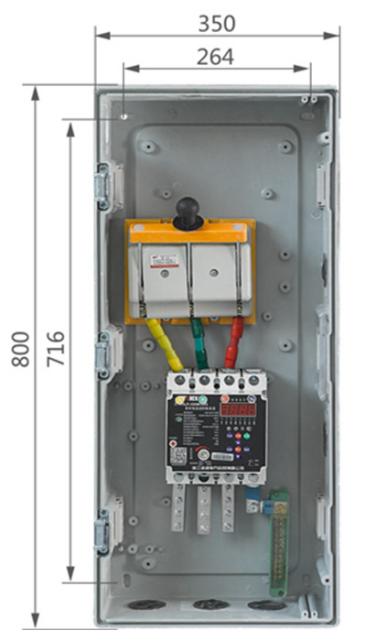
TY-FXX-1F Model, Configuration and Installation Dimensions
| TY | FXX | 1F |
|---|---|---|
| Company Code | Junction Box | First Generation |
| Configuration | Name | Component Model | Quantity |
|---|---|---|---|
| Incoming switch | Disconnector | HD11F-200/38 | 1 |
| Outlet switch | Reclosing circuit breaker | CTM5-250/3NS | 1 |
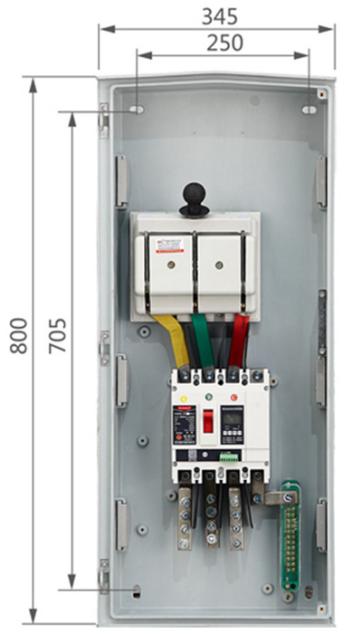
TY-FXX-2F Model, Configuration and Installation Dimensions
| TY | FXX | 2F |
|---|---|---|
| Company Code | Junction Box | Second Generation |
| Configuration | Name | Component Model | Quantity |
|---|---|---|---|
| Incoming switch | Disconnector | HD11F-200/38 | 1 |
| Outlet switch | Molded Case Electronic Circuit Breaker | CTM1EL-250/4300 adjustable | 1 |
Frequently Asked Questions
What are the primary applications of this junction box?
It is widely used in building electrical engineering, industrial automation systems, railway/highway transportation signals, communication base stations, and household appliances.
What is the maximum allowed tilt angle during installation?
The meter box must be installed vertically, ensuring that the tilt angle does not exceed 54°.
What chemical substances should not come into contact with the box?
The housing material is sensitive to strong alkali, oxidizing acid, amines, ketones, and chlorinated or aromatic hydrocarbons. Exposure to these chemicals must be strictly avoided.
What is the difference between the TY-FXX-1F and TY-FXX-2F configurations?
The TY-FXX-1F (First Generation) utilizes a CTM5-250/3NS reclosing circuit breaker for the outlet switch, whereas the TY-FXX-2F (Second Generation) features a CTM1EL-250/4300 adjustable molded case electronic circuit breaker.
How do you access the mounting holes on the box?
Because the fixing positions for the wall or crossarm are located inside, you must first remove the two cover fixing screws in the lower middle portion of the box and open the enclosure to secure the base.