
Engineered Metering Solutions for New York Infrastructure Projects
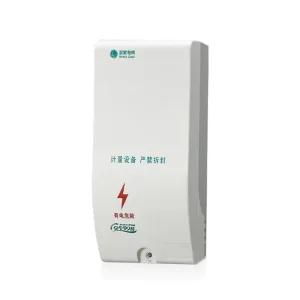
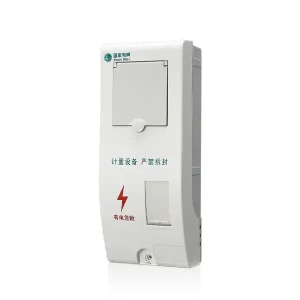
Pre-engineered single-phase SMC metering enclosures designed for residential multi-family housing, urban sub-metering, and utility branch isolation.
The New York Power Grid Transformation: Why SMC Outperforms Metallic Cabinets
Comprehensive technical comparative analysis on thermal stability, electrolytic isolation, and lifecycle expenditure across New York metropolitan and coastal zones.
The state of New York, governed by stringent electrical codes overseen by Consolidated Edison (ConEd), PSEG Long Island, and National Grid, presents one of the most environmentally and regulatorily demanding electrical distribution environments in North America. From the high coastal salinity across Long Island Sound and Staten Island to the heavy de-icing chemical concentrations across upstate highway networks, standard carbon steel and even low-grade stainless steel (304) enclosures suffer rapid electro-chemical oxidation and pitting within 5 to 7 operational years.
Sheet Molding Compound (SMC)—a compression-molded composite polymer matrix heavily reinforced with random and oriented chopped structural glass fibers—has emerged as the definitive solution for next-generation utility metering enclosures. Unlike traditional cast metals, SMC fiberglass provides complete galvanic isolation. This property eliminates arc-flash propagation pathways across enclosure doors and frames, protecting municipal field operators and significantly reducing touch-potential hazards in densely packed New York subway basements and industrial brownfield conversions.
New York Localized Deployment Scenarios
NYC High-Rise Sub-Metering
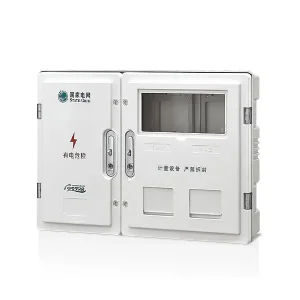
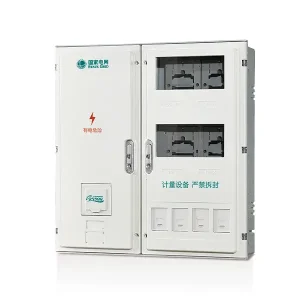
Under NYC Local Law 97, buildings must implement granular commercial energy consumption telemetry. Our multi-meter TY-SXD2 series allows vertical stacking in cramped high-rise utility risers without compromising heat dissipation or wireless AMR/AMI throughput.
Coastal & Port Infrastructure
Deployments in Brooklyn Navy Yard, Port of Albany, and South Queens require uncompromising salt spray resistance. Our thermoset SMC enclosures undergo rigorous 1,000-hour ASTM B117 salt fog evaluation with zero pitting, blister, or oxidation.
Solar Farms & EV Megawatt Hubs
Upstate New York community solar installations and fast-charging corridors require UV-stabilized, high-dielectric disconnect enclosures that operate continuously within extreme seasonal temperatures from -25°C to +50°C without mechanical warping.
Chinese Manufacturing Ecosystem: Yueqing Manufacturing Hub Advantage
How direct factory engineering in China's Electrical Capital guarantees cost-optimized scaling, raw-material traceability, and precision tooling for US enterprise tenders.
Across the international electrical landscape—from Europe’s IEC 61439 compliant low-voltage switchgear architectures to the UL 508A enclosures dominant in the United States—the supply chain for composite compression molding has migrated decisively toward fully integrated industrial clusters. Located in the Yueqing Economic Development Zone (Wenzhou, China), Zhejiang Teyi Electric Co., Ltd. sits at the heart of the world’s most comprehensive electrical manufacturing corridor.
While domestic US distributors face prolonged lead times exceeding 24–36 weeks for custom NEMA compression molds, our factory operates advanced multi-ton hydraulic thermo-compression molding presses (ranging from 300 to 2,000 metric tons). We formulate our own unsaturated polyester SMC resins, compounding precise quantities of fine aluminum trihydrate (ATH) for UL94 V-0 flame-suppressing char formation, alongside high-purity silane-treated E-glass roving fibers.
40-60% CAPEX Optimization
Direct tier-1 sourcing bypasses secondary intermediary markups. Bulk consolidation of high-grade copper busbars, DIN rails, and lock sets reduces unit assembly overhead by up to 50% relative to North American fabricators.
Rapid Tooling & Mold Prototyping
Equipped with internal CNC 5-axis tooling centers, custom CAD/CAM mold adaptations for custom knockouts, viewing windows, or utility padlock hasps are completed within 14 working days from sign-off.
End-to-End QA Validation
Every lot receives batch tracking, ball-pressure heat testing, dielectric flashover testing up to 30 kA short-time withstand rating, and automated optical inspection for composite wall consistency.
Engineering Roadmap: Smart Composites & Future-Ready Grid Infrastructure
Strategic advancements in material compounding and RF-transparency designed to address New York's smart city electrification goals.
RF-Permeable Enclosures
Formulation adjustments that maximize 900MHz Cellular IoT, Zigbee, and LoRaWAN penetration through the SMC wall, eliminating the need for vulnerable external antennas in smart metering installations.
Anti-Condensation Breathers
Integrated hydrophobic membrane breathers that equalize internal air pressure during rapid Atlantic sea-breeze temperature swings, completely preventing internal moisture precipitation.
Bio-Based Thermoset Resins
R&D migration toward low-carbon composite formulations using circular monomers to fulfill the rigorous sustainability benchmarks of LEED Platinum architectural requirements in New York State.
Modular Internal Framing
Patented quick-mount bracket assemblies permitting one-worker field retrofit installations, reducing line-worker deployment times in Manhattan utility vaults by over 45%.
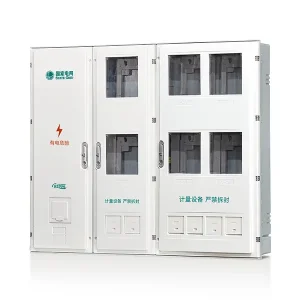
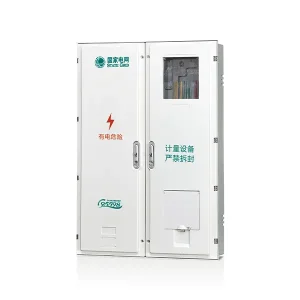
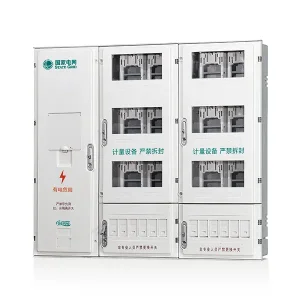
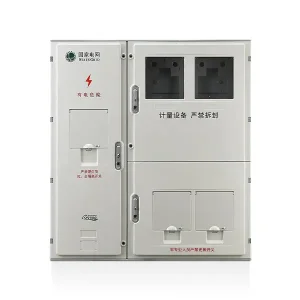
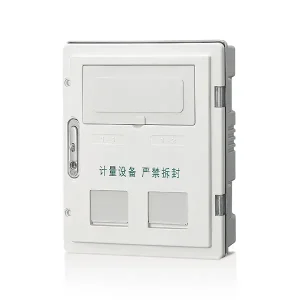
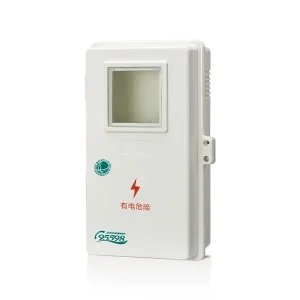
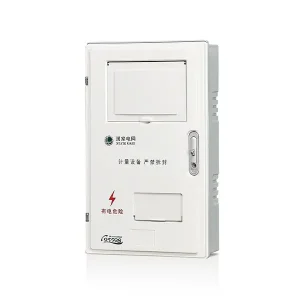
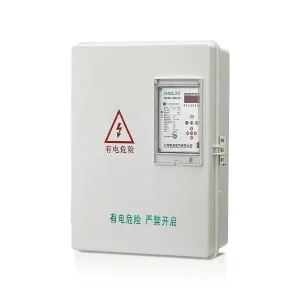
Heavy-Duty SMC Metering Enclosures & Protective Infrastructure
Three-phase, CT-operated, and intermediate collector configurations certified for utility connection and severe electrical stresses.
Frequently Asked Questions: Sourcing SMC Enclosures in New York
Direct technical answers addressing standards compliance, international logistics, material longevity, and installation criteria.
How do Teyi SMC Fiberglass boxes comply with US & New York Utility specifications?
Our compression-molded SMC enclosures are engineered to meet or exceed NEMA Type 3R, 4X, and 12 parameters, alongside IP66 ingress protection under IEC 60529. For New York regional utilities such as Con Edison or PSEG Long Island, we customize terminal block layouts, busbar cross-sections (10A to 250A), tamper-evident sealing tabs, and transparent polycarbonate UV-protected viewing windows conforming to UL 746C standards for outdoor exposure.
Why choose SMC fiberglass instead of 304 or 316 stainless steel for New York coastal projects?
While 316 stainless steel offers high chemical resistance, it remains heavy, conductive, and cost-prohibitive. In coastal regions like Brooklyn, Long Island, and Staten Island, airborne sea mist combined with stray currents can induce pitting corrosion in welded steel seams over time. SMC is fundamentally non-metallic and non-conductive, meaning zero risk of rust, no requirement for enclosure frame bonding/grounding, and a designed service life of over 30 years outdoors and 40 years indoors at a fraction of the raw material cost.
What are the lead times and shipping routes for wholesale orders to New York?
Standard production batches take approximately 15 to 25 working days from engineering approval. Shipments originate directly from Ningbo or Shanghai port, routed via express ocean freight to the Port of New York and New Jersey (PNYNJ), offering typical port-to-port transits of 26–32 days. Full DDP (Delivered Duty Paid) terms and container consolidation are available to streamline domestic customs clearance.
Can Teyi produce customized tooling and OEM branding for regional US distributors?
Yes. Zhejiang Teyi Electric has provided custom OEM/ODM solutions for more than a decade. We configure custom knockouts, pre-punched mounting plates, utility warning badges, company logotypes molded directly into the composite lid, and custom internal DIN-rail configurations. Tooling alterations and custom prototype specimens can be turned around rapidly to support specific project tenders.
How does the SMC enclosure material perform under intense winter freeze-thaw cycles?
Our SMC compound features an extremely low coefficient of thermal expansion, tested under severe temperature fluctuations from -25°C to +50°C. Unlike brittle thermoplastics like ABS or polycarbonate that can crack under extreme freeze-thaw thermal contraction, the dense multi-directional fiberglass structural skeleton of SMC retains mechanical flexural strength and IK10 impact ratings even under heavy ice loading and upstate New York blizzards.
Ready to Optimize Your Utility Enclosure Procurement?
Contact our engineering desk today for detailed CAD shop drawings, formal tender bids, material certification reports, and factory direct price breakdowns.