
High-Performance Norway Specification SMC Distribution Units
Pre-engineered single-phase and compact metering solutions configured for harsh Norwegian coastal wind loads and municipal electrification standards.
-
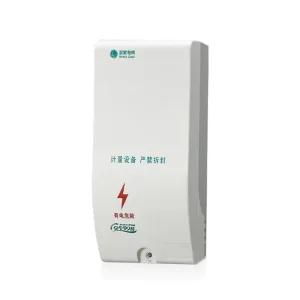
Wholesale TY-SXD1-FX single-phase one-position distribution box Manufacturer, Factory View Norway Tech Specs
-
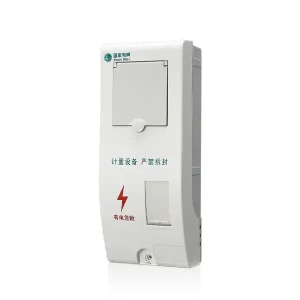
Wholesale TY-SXD1 single-phase one-position electric energy metering box Supplier, Factory View Norway Tech Specs
-
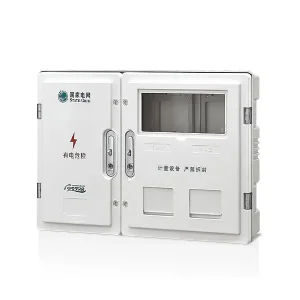
Wholesale TY-SXD2-A single-phase electric energy metering box Manufacturer, Factory View Norway Tech Specs
-
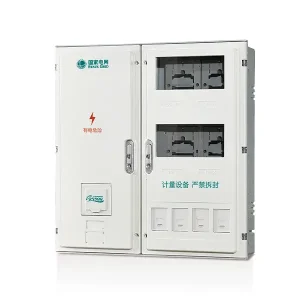
Wholesale TY-SXD2-B single-phase electric energy metering box Manufacturer, Supplier View Norway Tech Specs
Norway’s Industrial & Electrification Landscape
Comprehensive engineering analysis of Sheet Molding Compound (SMC/GRP) utility enclosures deployed across Norway’s sub-arctic fjords, offshore energy facilities, and green transport grids.
Norway is widely recognized as a global leader in total grid electrification, driven by massive renewable hydropower reserves, an aggressive EV infrastructure rollout, and rapid modernization of maritime transport hubs. However, the Norwegian geographical environment poses extreme mechanical and electrochemical challenges to outdoor electrical installations. Operating along thousands of kilometers of Atlantic coastline, distribution enclosures face persistent atmospheric salt mist, extreme thermal cycling (-40°C to +30°C), heavy snow loading, and aggressive UV radiation during long summer daylight periods.
Historically, galvanized and painted stainless steel enclosures (AISI 304/316) were utilized in commercial installations. Yet, coastal maintenance records across Vestland and Troms og Finnmark reveal severe lifecycle vulnerabilities: electrolytic pitting, crevice corrosion at weld seams, thermal bridge condensation, and severe structural degradation over decade-long deployments. Sheet Molding Compound (SMC) fiberglass reinforced polymer—formulated with unsaturated polyester resin, continuous structural glass roving, and inorganic mineral matrices—has become the premier alternative for Norwegian Distribution System Operators (DSOs) such as Statnett, Elvia, Tensio, and BKK.
Engineering Insight: Thermal Condensation & Dielectric Reliability
Unlike metallic housings that quickly conduct ambient temperature fluctuations—causing internal air moisture to condensate directly on live busbars and smart meters—SMC material exhibits an exceptionally low thermal conductivity coefficient (λ ≈ 0.22 W/m·K). This intrinsic insulation barrier minimizes internal condensation risks, preventing flashovers, earth leakage currents, and premature deterioration of electronic Automatic Meter Reading (AMR) transceivers.
Furthermore, Norway’s rapid transition toward decentralized heat pumps, multi-point residential Level-2 EV charging, and rooftop photovoltaic systems requires low-voltage service cabinets capable of sustaining high continuous currents without mechanical creep. Our SMC formulations are pressure-molded at over 1,200 metric tons, producing high polymer cross-link density that ensures zero thermal deformation even under prolonged busbar short-circuit stresses exceeding 30 kA.
Macro Industry Solutions for Norwegian Infrastructure
Turnkey fiberglass enclosure architectures solving real-world challenges across municipal, coastal, renewable, and transportation sectors.
Fjord & Shore-to-Ship Power
Norwegian harbors require coastal terminal connection cabinets that resist continuous marine saltwater splash, diesel exhaust fumes, and heavy mechanical moor vibration without degrading or requiring annual anti-rust repainting.
EV Ultra-Fast Hub Metering
Tailored multi-compartment meter boxes integrated with CT-grade busbars and smart load balancing gateways, serving dynamic DC charging plazas along the E6 and E39 highway corridors with total electromagnetic neutrality.
Hydro & Mountain Microgrids
Reinforced high-impact IK10 cabinets that endure deep alpine snowdrifts, ground frost heave, and spring melt water logging across isolated Norwegian valley substations and remote hydroelectric tailraces.
Aquaculture & Fish Processing
IP66 sealed SMC distribution and control cabinets impervious to industrial sanitization washes, brine mists, and aggressive organic fish meal processing residues common in Western Norway aquaculture plants.
Urban Substation Retrofits
Lightweight, aesthetically neutral RAL 7035/7038 modular enclosures allowing single-technician mounting on rough masonry walls or standard galvanised poles across historic Bergen and Oslo urban centers.
Offshore & Island Electrification
Engineered anti-tamper locking assemblies, flame-retardant UL94-V0 composite compounds, and UV-stabilized polycarbonate inspection apertures ensuring 30+ year maintenance-free operation across the Lofoten archipelago.
Technical Roadmap & Next-Gen Composite Horizons
Advancing composite engineering to align with circular European economy standards, predictive IoT telemetry, and zero-carbon supply mandates.
Nano-Reinforced Resins
Integration of carbon nanofillers and silane coupling chemistry to elevate low-temperature impact resilience down to -60°C while trimming enclosure wall weight by 15%.
Bio-Based Polymers
Pioneering renewable plant-derived polyester matrices to cut embodied lifecycle CO₂ footprints by over 35%, helping Norwegian utilities hit Net-Zero 2030 targets.
Passive RF Transparency
Optimized fiberglass-to-resin ratios ensuring zero attenuation for 5G, NB-IoT, and LoRaWAN frequencies, enabling internal wireless meter telemetry without external antennas.
Thermal Anti-Aging Coatings
Co-molded fluoropolymer gel-coats delivering Class IV UV defense against high-latitude reflective snow glare, preserving aesthetic finish and mechanical stiffness past 40 years.
China Factory 4.0: Supply Chain Resilience & Precision Execution
Combining Yueqing’s world-class electrical component cluster with automated composite press systems, robotic trimming, and strict Nordic QA oversight.
Located in the Yueqing Economic Development Zone—the undisputed electrical manufacturing capital of China—our advanced manufacturing facilities leverage a concentrated ecosystem that consolidates polymer synthesis, precision tool-and-die machining, and copper terminal casting within a 15-kilometer radius. This vertical integration insulates Scandinavian EPC contractors and wholesale distributors from the volatile lead times typical of fragmented supply chains.
Our intelligent workshop houses high-tonnage hydraulic compression molding machinery ranging from 500T to 2,000T, equipped with closed-loop PID temperature controllers. This tight process monitoring guarantees uniform resin flow, precise 3.5mm–6.0mm wall thickness distribution, and elimination of internal micro-voids that can degrade dielectric insulation strength under high-voltage surges.
Robotic CNC Milling & Gasketing
Automated 6-axis robotic cells execute precision cable knockout openings and seamless polyurethane foam-in-place (FIPFG) sealing gaskets, guaranteeing repeatable IP65/IP66 waterproof enclosures.
Batch Traceability & Material Lab
In-house testing laboratories verify each batch for glass fiber weight fractions, Barcol hardness, glow-wire flammability (IEC 60695-2-11), and dielectric breakdown margins prior to sea container dispatch.
Multimodal Nordic Logistics
Established containerized freight corridors directly to Port of Oslo, Bergen, and Stavanger with comprehensive palletized crating, moisture-desiccant packaging, and full DDP custom brokerage documentation.
Norwegian Standards Compliance & OEM Customization
Full engineering validation aligned with European harmonized legislation and local Norwegian electrical directives.
NEK 400 & IEC 61439 Certified
Enclosure dimensions, busbar clearance gaps, creepage distances, and internal partition fire stops comply fully with NEK 400 installation rules and IEC 61439-1/2 low-voltage switchgear testing.
Double Insulation (Class II)
Inherent dielectric insulation properties eliminate protective earthing conduit loops, reducing installation labor for electrical contractors while guaranteeing personnel safety against indirect shock.
Custom Tooling & Modular Cutouts
Tailored brass thread inserts, pre-drilled DIN-rail mounting plates, transparent UV-treated viewing windows, and triangle master security locks matched to Norwegian utility keys.
Three-Phase, Transformer & Collector Enclosures for Norway
Explore heavy-capacity metering cabinets, transformer-rated protection housings, and high-density junction arrays engineered for commercial and multi-dwelling projects.
-
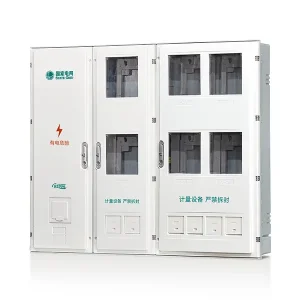
China TY three-phase electric energy metering box Manufacturer, Suppliers View Norway Tech Specs
-
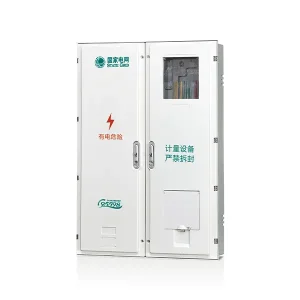
Wholesale TY-SXS3 three-phase electric energy metering box (transformer type) Manufacturers, Supplier View Norway Tech Specs
-
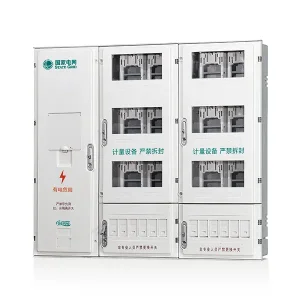
Wholesale TY single-phase electric energy metering box Suppliers, Factories View Norway Tech Specs
-
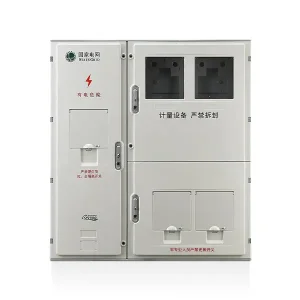
Wholesale TY three-phase electric energy metering box(transformer type) Manufacturer, Suppliers View Norway Tech Specs
-
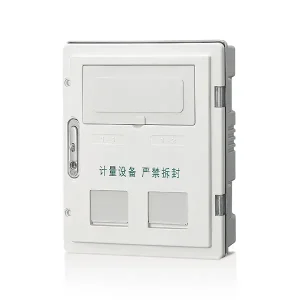
Wholesale TY single-phase electric energy metering box(transformer type) (plastic type) Manufacturer, Factories View Norway Tech Specs
-
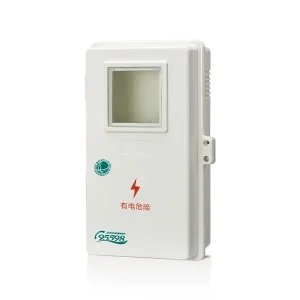
Wholesale TY-SXD1-1C single-phase collector box Manufacturers, Supplier View Norway Tech Specs
-
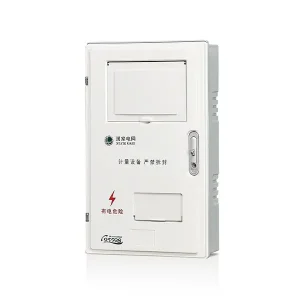
Wholesale TY-SXS1 three-phase one-position electric energy metering box Suppliers, Factories View Norway Tech Specs
-
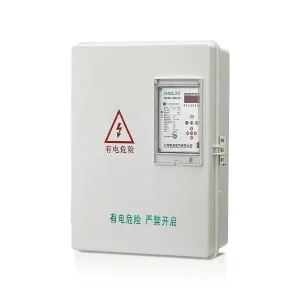
China TY-Intermediate protection box Factories, Factory View Norway Tech Specs
Frequently Asked Procurement Questions (FAQ)
Essential guidance addressing tender compliance, material properties, shipping logistics, and customization for Norwegian procurement directors.