
High-Performance Distribution & Metering Assemblies
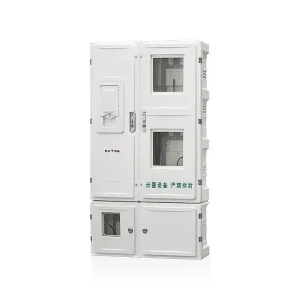
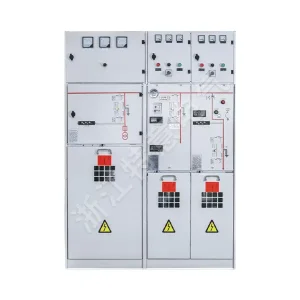
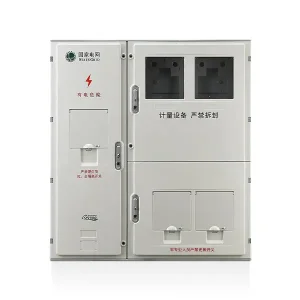
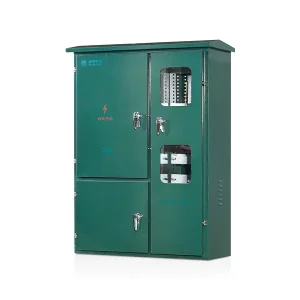
Engineered to standard utility parameters with sheet molding compound (SMC), high-impact stainless steel, and smart-grid ready medium voltage switches.
Macro Trends Reshaping Ring Main Unit (RMU) Manufacturing
As the international power sector transitions toward higher penetration of decentralized renewable generation, the technological demands placed on wholesale RMU panel factories have shifted drastically.
Eco-Friendly & SF6-Free Dielectrics
Global environmental mandates, notably EU F-gas regulations, are accelerating the deprecation of Sulfur Hexafluoride (SF6). Modern tier-1 factories have scaled dry-air, synthetic air, and solid dielectric insulation (SIS) technologies, mitigating greenhouse emissions without compromising arc extinguishing speeds or dielectric recovery rates.
Digital Substations & Native RTU Feeder Automation
Traditional manual switches no longer fulfill modern reliability indices (SAIDI/SAIFI). Advanced RMUs integrate micro-processor based Remote Terminal Units (RTUs), non-conventional instrument transformers (LPITs), and IEC 61850 protocol stacks to allow automated self-healing loop distribution in urban topologies within milliseconds.
Hermetic Sealing & Harsh Environment Robustness
From coastal saline spray to flood-prone underground chambers, current wholesale specifications prioritize robotic continuous laser welding on 304 or 316L stainless steel vessels. Maintaining zero gas leakage rates below 0.1% per year guarantees long-term dielectric performance and zero maintenance intervals across harsh environments.
Addressing Global Supply Chain Demands & Technical Criteria
Energy engineering consultants, turnkey EPC contractors, and multinational electric utilities encounter distinct pain points when qualifying secondary distribution manufacturers.
Type Testing Verification & Certification
Procurement teams require comprehensive third-party type test reports (KEMA, ASTA, or national high-voltage laboratories) validating internal arc classification (IAC AFLR), impulse withstand limits, short-time withstand thermal stresses, and mechanical endurance up to Class M2 to mitigate liability.
Footprint Optimization for Compact Substations
With real-estate costs rising exponentially in commercial cores and containerized renewable sites, compact modular footprint is critical. Top manufacturers leverage optimized gas volume and compact vacuum interrupter bottle arrangements to deliver multi-bay units (C-C-V-F configurations) inside tight dimensional enclosures.
Lifecycle TCO & Interchangeability
High switching failure rates induce massive utility downtime costs. Forward-thinking procurement strategies evaluate Total Cost of Ownership (TCO), requiring extensible busbar couplings, standardized bush fittings (EN 50181 Type C), and straightforward transition flanges that allow field additions without complete substation teardown.
Macro Industry Solutions & Deployment Frameworks
RMU switchgear and metering panels form the core link between high-voltage transmission networks and end-use consumption hubs. Here is how custom systems solve critical grid challenges.
Utility-Scale Solar & BESS Integration
Integrated switchgear clusters fitted with circuit breakers (V-module) provide direct overcurrent and earth fault protection on step-up transformer outputs. Equipped with sensitive directional protection, they safeguard against back-fed islanding currents and manage sudden fluctuations common in grid-tied battery storage systems.
Urban Underground Reticulation Networks
In high-density municipal grids, ring configurations ensure dual-feed redundancy. In the event of an underground cable fault, motor-operated switch-disconnectors isolate the damaged span via SCADA automation, while adjacent feeder sections switch instantly to the alternate leg, maintaining uninterrupted urban supply.
Continuous Heavy Industry & Rail Traction
Petrochemical complexes and light rail substations require high dynamic short-circuit tolerance and zero risk of flashover. Utilizing heavy-duty SMC external housings and hermetic gas chambers prevents airborne corrosive chemical intrusion, ensuring continuous process reliability in dirty industrial environments.
Localization Support, Grid Interconnection & Compliance
A global export manufacturing operation must navigate diverging international engineering paradigms. We bridge Chinese manufacturing efficiency with localized compliance standards.
Standards Harmonization (IEC vs. IEEE/ANSI)
Our engineering division designs directly to IEC 62271-200, IEC 62271-100, and IEC 62271-102 specifications, with adaptable bus configurations matching ANSI/IEEE C37 ratings. This ensures seamless compliance reviews for tenders across Europe, the Middle East, Southeast Asia, and the Americas.
Tailored Climatic & Seismic Adaptations
Different geographies impose extreme physical demands. We offer customized pressure-relief design for high-altitude derating, anti-condensation internal heating modules for tropical high-humidity zones, and seismic-tested anchorage frames engineered to withstand acceleration up to 0.5g.
Complete EPC Submittal Documentation
Accelerate your project approvals with comprehensive submittal packages: customized GA (General Arrangement) drawings, primary single line diagrams (SLD), secondary control schematics, bill of materials (BOM), and factory acceptance test (FAT) inspection protocols ready for utility sign-off.
Technical Roadmap: Next-Gen Switchgear Architecture
The convergence of power electronics, artificial intelligence, and non-greenhouse insulating media defines our long-term manufacturing trajectory.
IoT-Enabled Condition Monitoring
Integration of wireless SAW (Surface Acoustic Wave) temperature sensors directly onto primary busbar joints, continuous online gas pressure/density transmitters, and mechanical vibration analysis algorithms for early thermal runaways and breaker mechanism wear detection.
Fluoronitrile & Synthetic Air Gas Insulators
Commercial deployment of alternative eco-efficient gas mixtures (C4-FN or pure dry air) engineered to match SF6 dielectric recovery curves within identical footprint parameters, eliminating future carbon credit penalties for grid operators.
Solid-State Hybrid Interrupters
Development of ultra-fast hybrid breakers combining vacuum technology with silicon-carbide (SiC) solid-state switches, achieving sub-cycle fault clearance speeds demanded by DC microgrids, hyperscale AI data centers, and advanced aerospace electrical hubs.
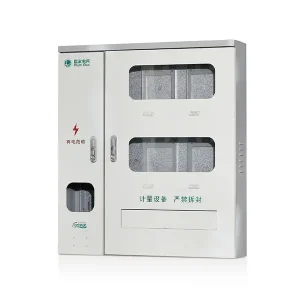
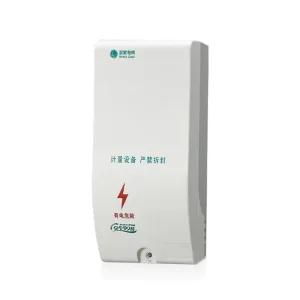
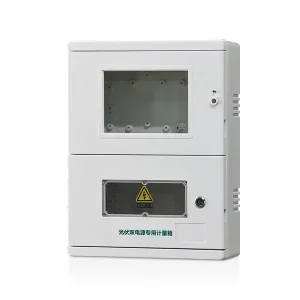
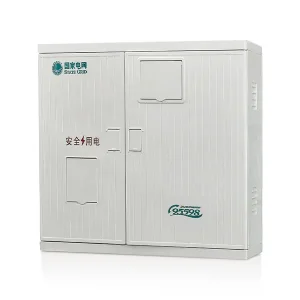
Complementary Distribution Units & Metering Cabinets
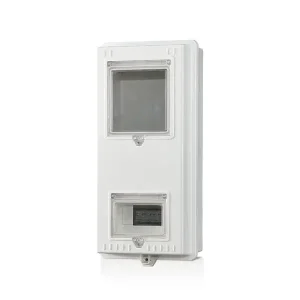
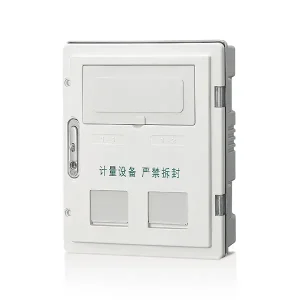
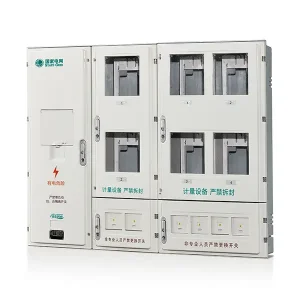
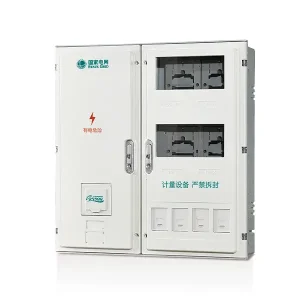
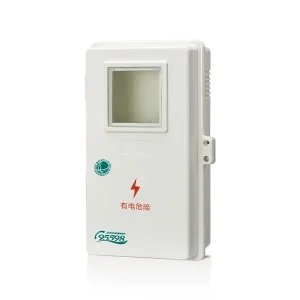
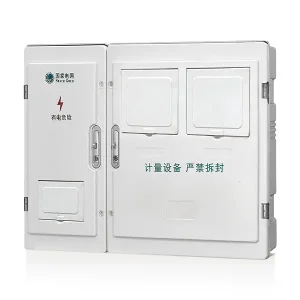
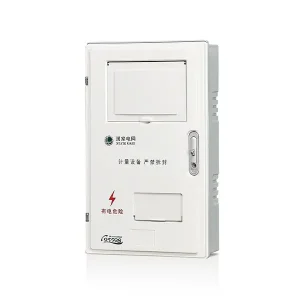
Engineered for high current stability, CT metering accuracy, and field durability in commercial and utility deployments.
Frequently Asked Questions on Wholesale RMU Panels
Direct engineering answers addressing critical design choices, material specifications, and grid integration requirements.