1 / 2
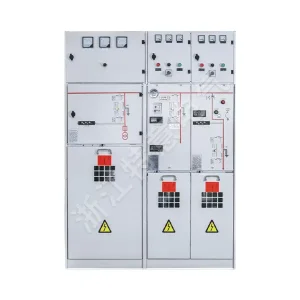
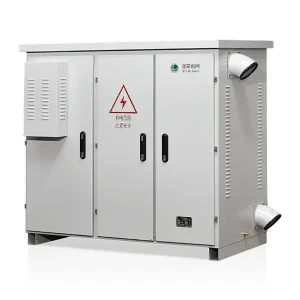
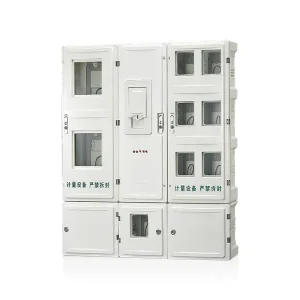
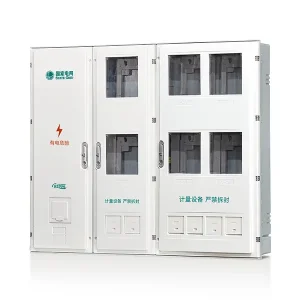
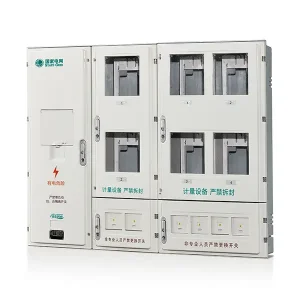
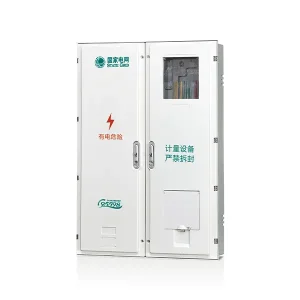
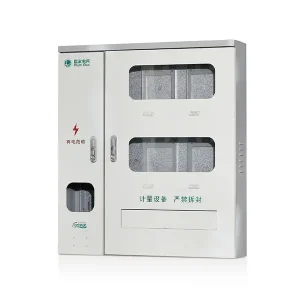
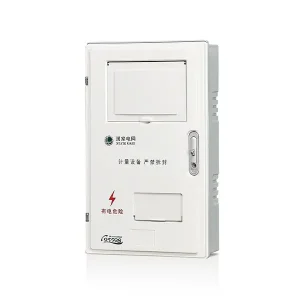
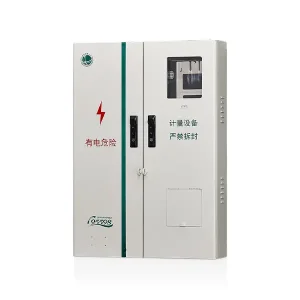
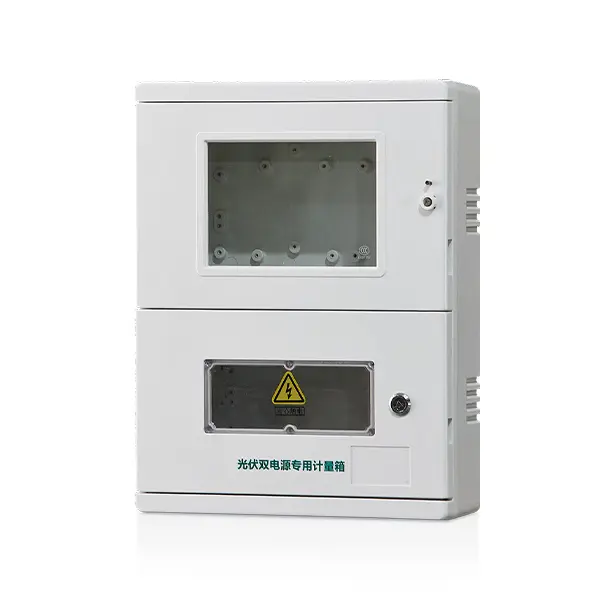
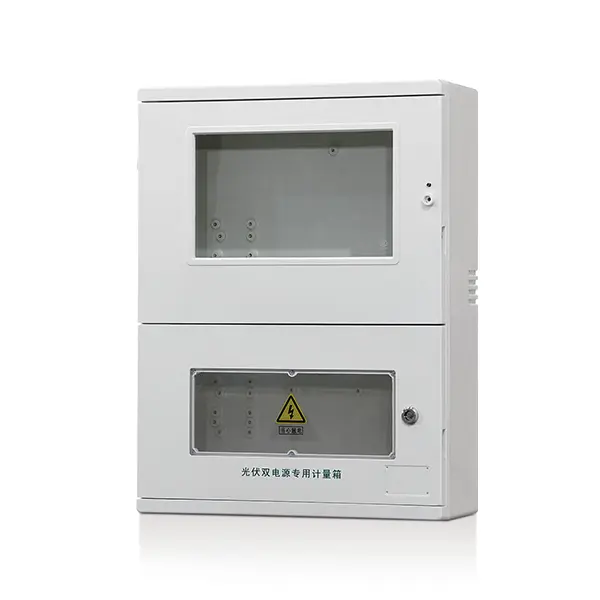
Wholesale China Suppliers Factory SMC Fiberglass Photovoltaic Grid-connected Box for Efficient Solar Energy Management Suppliers, Factory
Product Description
Core Role
1. Power Confluence and Transmission Center
- The DC power output by the centralized photovoltaic array is converted into AC power through the built-in inverter and then connected to the power grid or supplied to the load, thus achieving a stable connection between the photovoltaic power generation system and the power grid.
2. Multiple Electrical Safety Protections
- The use of SMC material (glass fiber reinforced unsaturated polyester resin) provides high insulation resistance (≥20MΩ) and excellent flame retardancy (UL94 V0 level), effectively isolating arc and short circuit risks and preventing electrical fires.
- Built-in lightning protection module and overcurrent protection device can resist power grid fluctuations and lightning surge impacts to ensure the safety of equipment and personnel.
3. Environmental Adaptability Protection
- The box has an IP65 protection level and above, and the dustproof and waterproof sealing structure can resist heavy rain and sandstorms.
- It is resistant to acid and alkali corrosion and UV aging (stable operation at -40°C~+120°C), and can adapt to harsh outdoor environments such as salt spray and industrial waste gas.
4. Operation and Monitoring Support
- The integrated data acquisition module monitors power generation, voltage, current and other parameters in real time, supports remote fault diagnosis and reduces maintenance costs.
Core Application Areas
1. Large Photovoltaic Power Station
- The inverter output side of the centralized ground power station, as a regional grid-connected node, needs to be matched with high-capacity electrical components and dust-proof and heat-dissipating design.
2. Distributed Photovoltaic System
- Industrial plant/commercial building rooftop power station: the corrosion-resistant box adapts to the industrial exhaust gas environment, and the explosion-proof design meets the requirements of high-risk places such as chemical industry.
- Agricultural-photovoltaic complementary project: The moisture- and heat-resistant structure is suitable for installation on the top of agricultural greenhouses and is compatible with irrigation water vapor environments.
3. Coastal and Humid Areas
- Offshore platforms and island microgrids: Anti-salt spray corrosion performance ensures long-term operation in humid and high-salt air.
4. Special Climate Areas
- Desert/plateau power stations: Anti-sand sealing and wide temperature range adaptability (such as -40°C extreme cold or +70°C high temperature) ensure equipment reliability.
Technical Advantages
SMC material is lightweight, reduces bracket load and simplifies high-altitude installation
Fully sealed structure prevents moisture intrusion and avoids internal condensation
Lifespan > 30 years Full life cycle cost is lower than metal box
Modular design supports rapid expansion and component replacement
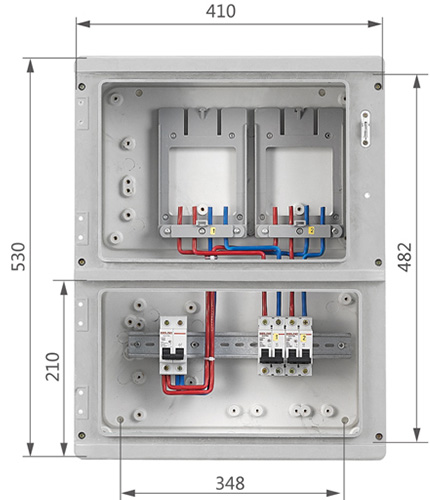
TY-SXD2-GF1 Model, configuration and installation dimensions
| TY | SX | D2 | GF1 |
| Company Code | SMC non-metallic metering box | Single-phase multi-meter meter box | Photovoltaic grid-connected box |
| Configuration | Name | Component Model | Quantity |
| Incoming switch | Disconnector | CDGK 2P 100A | 1 |
| Outlet switch | Miniature circuit breakers | CDBKs C type 2P 63A dedicated to power grid | 2 |
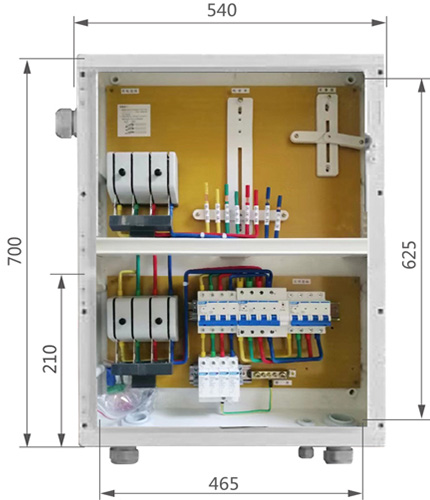
TY-SXS2-GF1 Model, configuration and installation dimensions
| TY | SX | S2 | GF1 |
| Company Code | SMC non-metallic metering box | Three-phase multi-meter meter box | Photovoltaic grid-connected box |
| Configuration | Name | Component Model | Quantity |
| Incoming switch | Disconnector | HK1N-100/4F | 2 |
| breaker | Small recloser | CDBNE-100GQF 4P C type 63A | 1 |
| breaker | Miniature circuit breakers | CDBK C type 4P 32A | 2 |
| surge | Surge protector | CDYN-Ⅱ40kA 4P 385V | 1 |
Frequently Asked Questions (FAQ)
What is the primary material used in these photovoltaic grid-connected boxes?
The enclosures are manufactured from high-grade SMC material (glass fiber reinforced unsaturated polyester resin), providing outstanding insulation resistance (≥20MΩ), UL94 V0 flame retardancy, and superior weather resistance compared to standard metal boxes.
What ingress protection (IP) rating and temperature resistance do these boxes offer?
The boxes feature an IP65 protection level and above with dustproof and waterproof sealing. They deliver stable operation across extreme temperature ranges from -40°C to +120°C, effectively enduring harsh environmental challenges like heavy rain, sandstorms, and UV exposure.
What is the difference between TY-SXD2-GF1 and TY-SXS2-GF1 models?
The TY-SXD2-GF1 model is configured as a single-phase multi-meter grid-connected box, equipped with 2P disconnectors and 2P miniature circuit breakers. The TY-SXS2-GF1 is a three-phase multi-meter box featuring 4P disconnectors, small recloser, 4P miniature circuit breakers, and an integrated 40kA surge protector.
How does the system ensure electrical and personnel safety?
The system integrates non-metallic high-insulation casing, UL94 V0 fire-retardant performance, built-in lightning protection modules, overcurrent protection devices, and dedicated surge protection to isolate arc/short-circuit risks and withstand grid surges.
Can these boxes be deployed in coastal and chemical environments?
Yes. The SMC material offers outstanding resistance to acid, alkali corrosion, and salt spray, making it well-suited for industrial plant rooftops, chemical industry areas, agricultural greenhouses, offshore platforms, and island microgrids.
What is the expected lifespan and maintenance advantage of this enclosure?
The enclosure has an estimated operating lifespan exceeding 30 years. Its lightweight build reduces mounting bracket load, the fully sealed design eliminates internal condensation, and modular components allow easy remote monitoring and fast replacement, significantly lowering lifecycle costs.