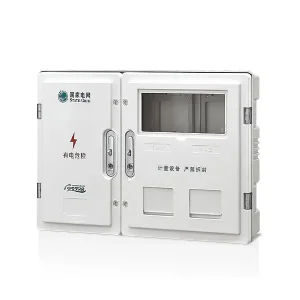
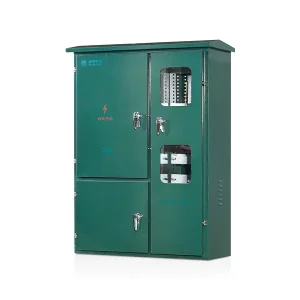
Flagship Power Metering Enclosures & Distribution Units
Direct-from-factory medium and low-voltage distribution modules engineered for utility substation compliance, high mechanical isolation, and zero-defect lifecycle performance.
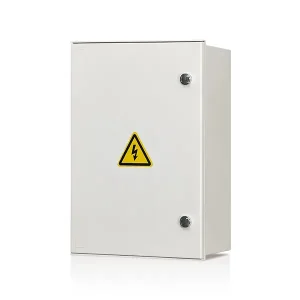
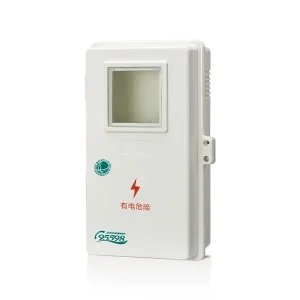
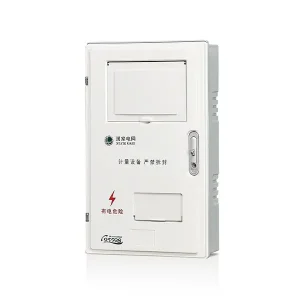
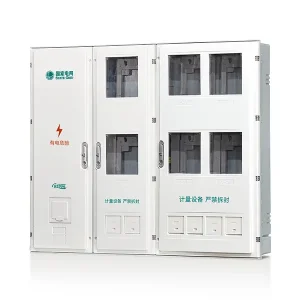
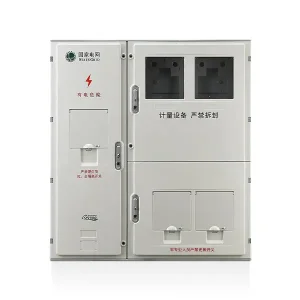
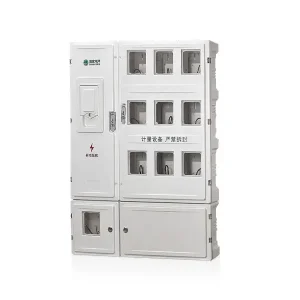
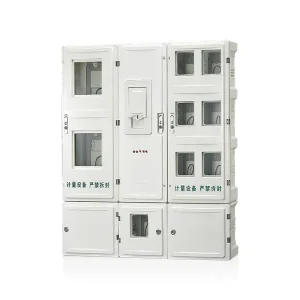
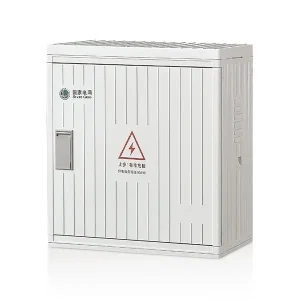
Engineering Architecture: RMU and Transformer Integration in Modern Grids
How medium-voltage gas-insulated/solid-insulated Ring Main Units (RMU) interfaced with step-down distribution transformers ensure transient fault isolation and operational continuity.
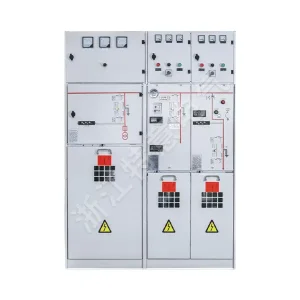
In high-density industrial and municipal distribution networks, the coupling between the Ring Main Unit (RMU) and the distribution transformer serves as the fundamental cornerstone for system stability. Operating across standard voltage classes from 11kV, 24kV, up to 36kV, modern RMUs act as the primary switching apparatus responsible for network reconfiguration, feeder isolation, and automated fault sectionalizing. Coupled downstream to oil-immersed or cast resin dry-type transformers, this unified medium-voltage (MV) to low-voltage (LV) transformation train requires uncompromising precision across thermal limits, insulation ratings, and short-circuit electrodynamic withstand capabilities.
Advanced secondary distribution architectures require gas-insulated switchgear (GIS) utilizing SF6 alternatives or Solid Insulated Switchgear (SIS) to achieve compact foot-printing without sacrificing internal arc resistance. As renewable intermittent generation penetrates the utility grid, wholesale procurement engineers must mandate RMU configurations featuring integrated Current Transformers (CTs), Potential Transformers (PTs), and vacuum circuit breakers (VCB) rated for at least 20kA to 31.5kA short-time withstand current (1s/3s). These parameters directly prevent thermal runaway and severe mechanical deformation during phase-to-ground or phase-to-phase catastrophic fault vectors.
Why Global EPCs Source from Yueqing Industrial Clusters
The confluence of specialized raw material refining, continuous compression-molding technology, and comprehensive testing infrastructure creates an unmatched procurement moat.
Complete Vertical Integration
From Sheet Molding Compound (SMC) chemical compounding to in-house vacuum interrupter assembly, precision sheet metal fabrication, and computerized winding systems, supply chain fragmentation is virtually eliminated.
Rigorous QA & Type Testing
Fully equipped high-voltage impulse test bays, temperature rise testing chambers, and partial discharge screening setups comply with CNAS credentials, ensuring zero field defects upon commissioning.
Cost-to-Performance Lead
Direct procurement through Tier-1 Yueqing factory nodes reduces middleman commissions by 25-40%, allowing contractors to maintain aggressive tender pricing while guaranteeing IEC/ANSI compliance.
Utility Tender Demands & Compliance Verification
International utilities, EPC engineering consortia, and private developers require specific criteria before approving switchgear and transformer OEM suppliers.
Dielectric & BIL Verification
High Basic Impulse Levels (BIL) up to 95kV, 125kV, or 170kV are essential for tropical and lightning-prone regions. Type-test dossiers from accredited independent bodies (KEMA, ASTA, or national high-voltage laboratories) are non-negotiable for qualifying bids.
Harmonics & K-Factor Ratings
For modern grid installations connecting inverter-based PV arrays and data centers, step-up and distribution transformers must feature K-factor designs (K-4 to K-20) with electrostatic shielding to suppress harmonic losses and phase-shift stress.
Mechanical Enclosure Toughness
Enclosures must achieve anti-vandalism and physical integrity ratings of IK10 and IP54 to IP66. SMC compression formulations and 304/316 grade stainless steel structures are explicitly requested to prevent coastal salt-spray degradation.
The Green Grid Transition: SF6-Free Switchgear & Smart Transformers
Decarbonization policies across North America, the EU, and APAC are fundamentally altering the technical requirements of ring main units and distribution transformers.
The medium-voltage distribution sector is undergoing a historic shift away from sulfur hexafluoride (SF6)—a greenhouse gas with a global warming potential 23,500 times greater than CO2. Forward-looking suppliers are deploying Air-Insulated Switchgear (AIS), Solid Dielectric RMUs, and innovative fluoronitrile-based gas mixtures. Simultaneously, distribution transformers are adopting biodegradable synthetic and natural ester fluids, which elevate flash points up to 300°C for superior fire safety in urban substations while providing immediate environmental biodegradability.
On the digital spectrum, IoT-enabled Smart RMUs are becoming the standard rather than the exception. Factory-installed vibration sensors, thermal infrared monitoring strips along busbar joins, and automated wireless feeder terminal units (FTU) feed real-time telemetry back to SCADA head-ends using IEC 61850 protocol profiles. This transition from scheduled manual maintenance to predictive condition-based maintenance slashes operational overhead for utilities by over 35%.
Field-Engineered Localized Applications
Tailored medium-to-low voltage distribution architectures designed to withstand extreme thermal, environmental, and electrodynamic stresses.
Utility Compact Substations
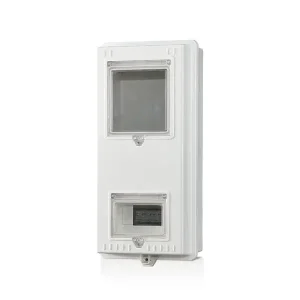
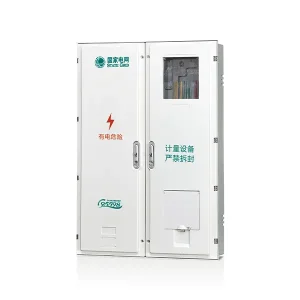
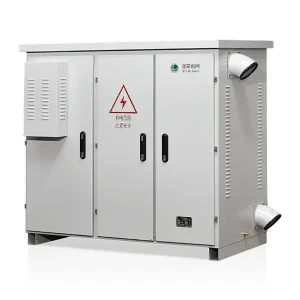
Prefabricated outdoor kiosk stations incorporating RMUs, oil-filled or dry-type transformers, and low-voltage distribution metering panels, designed for rapid plug-and-play installation in municipal centers.
Commercial Microgrids & PV
Bidirectional metering boxes integrated with step-up transformer enclosures, equipped with sensitive reverse power flow detection and anti-islanding switch protection.
Heavy Industry & Petrochem
Explosion-proof and high-corrosion resistant 316 stainless steel enclosures and hermetically sealed ring main switchgear preventing chemical ingress and arc flash propagation.
High-Speed Rail Traction
Specialized pole-mounted sectionalizers and compact auto-transformer feeding stations offering unmatched switching endurance against transient voltage surges.
Frequently Asked Technical Questions
Detailed technical clarifications addressing wholesale purchasing, international specifications, and factory tolerances.
What are the key technical parameters required when ordering wholesale RMUs?
How does compression-molded SMC material compare against conventional stainless steel for outdoor transformer boxes?
Can your factory provide integrated compact substations combining RMUs, Transformers, and Metering Boxes?
What type testing reports and quality certificates accompany your factory export shipments?
What are the lead times and customization options for private-label OEM / ODM procurement?
High-Capacity Meter Cabinets, RMUs & Distribution Assemblies
Wholesale direct engineered products manufactured for immediate procurement, smart grid integrations, and demanding tender compliance.