Wholesale Stainless steel JP cabinet Suppliers, Factories
Product Description
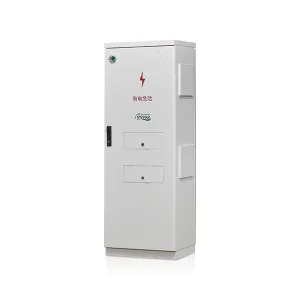
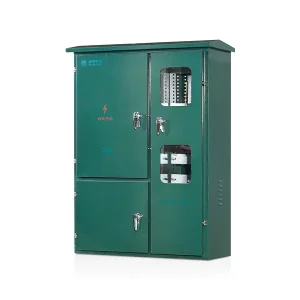
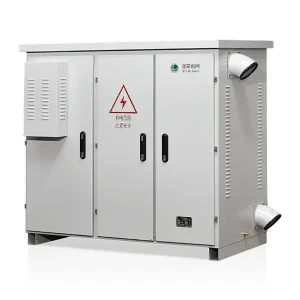
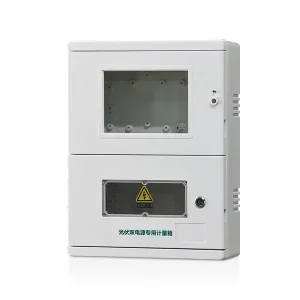
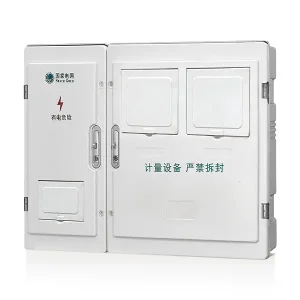
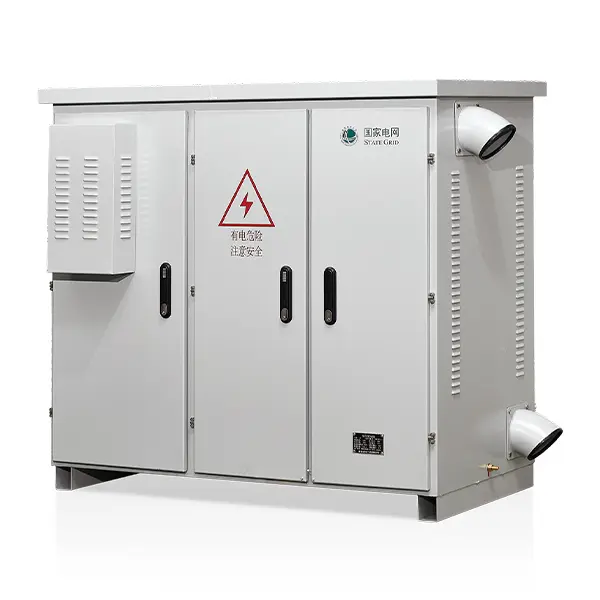
The Stainless Steel JP Cabinet is an advanced and reliable power distribution and management solution. With durable materials, advanced safety features and modular design, it is suitable for a variety of applications, especially in challenging outdoor environments. By integrating essential functions such as reactive power compensation and protection mechanisms, the cabinet can not only improve the efficiency of the power grid, but also ensure the safety and reliability of the electrical system.
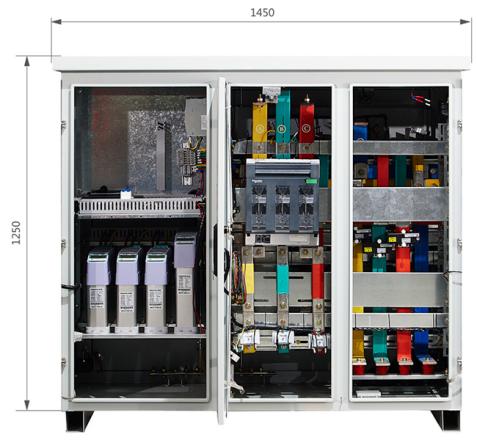
A highlight of the stainless steel JP cabinet is its ability to integrate capacitor banks, which play a vital role in real-time reactive power compensation. By improving the power factor, the cabinet significantly reduces line losses and improves the overall efficiency of the power grid.
Safety is the primary consideration in the design of the stainless steel JP cabinet. It includes a comprehensive grounding system to effectively reduce the risk of leakage and meet strict safety regulations. The cabinet is also equipped with lightning protection devices and overload protection functions to further enhance the safety of the power grid.
The Stainless Steel JP Cabinet features a modular design that allows for easy installation in a variety of scenarios. It can be directly grounded or mounted on a pole, flexibly adapting to different site requirements. The cabinet door is designed with a large opening angle to facilitate access to internal components for maintenance and replacement.
The components in the cabinet are carefully arranged to meet electrical spacing standards to ensure optimal performance and safety. The cabinet is equipped with necessary protection devices, including circuit breakers and fuses, to protect the electrical system from potential hazards. These safety measures are essential to prevent damage to the cabinet and its connected electrical system, ensuring uninterrupted power supply and operational reliability. This versatility makes it ideal for utility companies and industrial applications where space and installation conditions may vary, minimizing downtime and maintenance costs.