
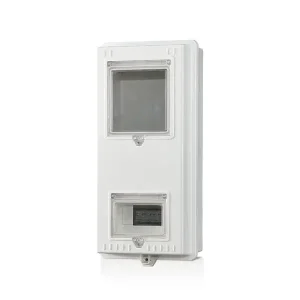
SMC Composite • Dual-Phase
Direct factory supply from our Yueqing manufacturing hub. Engineered strictly in compliance with IEC 61439, IEC 62052, and UL dielectric ratings for residential micro-grids, commercial sub-panels, and utility metering poles.
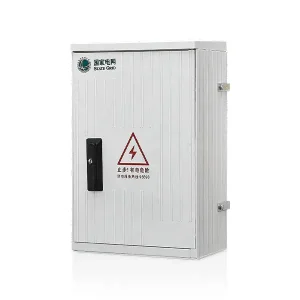
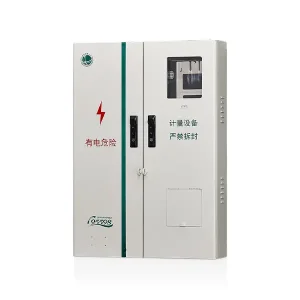
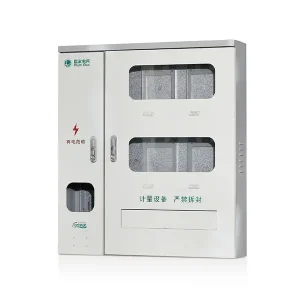
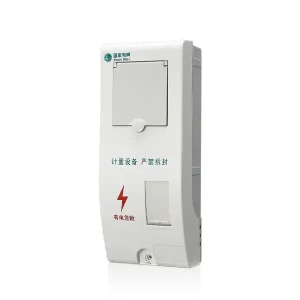
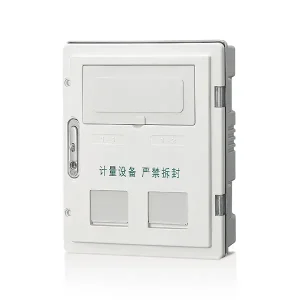
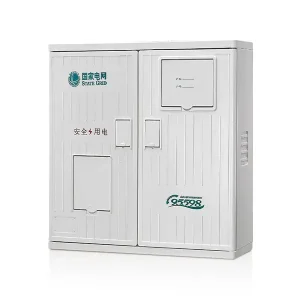
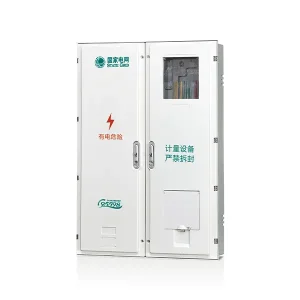
Modern electrical distribution demands uncompromising safety, thermodynamic stability, and cyber-physical protection. An energy metering panel board serves as the critical demarcation boundary between the electrical distribution utility network and private downstream branch loads.
Sheet Molding Compound (SMC) represents an advanced integration of chopped glass fibers (typically 25mm to 50mm in length, representing 25% to 30% reinforcement volume) impregnated with unsaturated polyester resins, mineral fillers, and catalysts. Under hydraulic compression molding at 150°C and 10 MPa pressure, the molecular chains crosslink irreversibly, producing a rigid dielectric barrier that eliminates the risk of live-chassis electrical leakage and catastrophic short circuits.
Unlike conventional mild steel or sheet-metal enclosures that degrade in aggressive ambient environments, thermoset SMC exhibits superior volume resistivity (>1.0 × 10^14 Ω·cm) and surface tracking resistance (Comparative Tracking Index CTI ≥ 600V, Class IIIa). This characteristic completely eliminates the need for external secondary grounding connections on the enclosure shell, mitigating electrocution risks for municipal meter readers, utility inspectors, and domestic end-users.
Utility meter cabinets deployed in tropical or desert locations experience severe ultraviolet radiation and extreme diurnal temperature swings. Our proprietary UV stabilizer package and brominated flame-retardant formulation achieve UL 94 V-0 flame spread rating with a glow-wire ignition temperature (GWFI) of 960°C. Operating effectively across -40°C to +120°C, our enclosures guarantee 30+ years of UV outdoor stability without embrittlement, micro-cracking, or chalking.
| Performance Parameter | SMC Fiberglass (Teyi Standard) | Stainless Steel (AISI 304/316) | Polycarbonate / ABS Alloy |
|---|---|---|---|
| Electrical Insulation / Shock Safety | Complete Class II Double Insulation (Zero Earthing Required) | Conductive; Mandatory Structural Grounding Busbar | Good Insulation; Sensitive to Internal Arc Pressure |
| Corrosion Resistance (ISO 9227) | Immune to Salt Fog, SO2, Chemical Acids & Alkalis | Excellent; Pitting possible in extreme marine chlorides | Moderate; Degrades with organic solvent exposure |
| Mechanical Impact Withstand | IK10 (20 Joules Impact Energy absorbed with zero plastic deformation) | IK10+ (Extremely High; prone to permanent denting) | IK08 - IK09 (Brittle failure risk at sub-zero temperatures) |
| Thermal Deflection (HDT @ 1.8 MPa) | > 200°C (ISO 75-2) | Melting Point > 1400°C (Conducts external heat rapidly) | 85°C - 110°C (Prone to sagging under hot climates) |
| Service Life Cycle Expectancy | 40+ Years (Indoor) / 30+ Years (Outdoor Direct Solar) | 25 - 40 Years (Subject to weld joint passivation) | 10 - 15 Years (Degrades under continuous UV load) |
| RF Transparency (AMR / AMI Antennas) | 100% Non-Attenuating (Zero Signal Shielding for LoRa / NB-IoT) | Faraday Cage Effect (Requires External Coaxial Aerials) | Non-Attenuating (Transparent to High Frequencies) |
Located in Yueqing, Wenzhou—recognized across the globe as the "Electrical Capital of China"—Zhejiang Teyi Electric Co., Ltd. sits at the epicentre of the world's most concentrated low- and medium-voltage electrical manufacturing cluster. This geographical clustering offers unparalleled systemic procurement efficiencies.
Within a 15-kilometer radius of our production plant, over 10,000 specialized electrical component manufacturers operate. From precision electrolytic E-Cu busbars, current transformers (CTs), and neutral disconnect links to miniature circuit breakers (MCBs), terminal blocks, and tamper-evident polycarbonate seals, components are sourced with zero inland transit latency, driving down lead times by 35% compared to dispersed global facilities.
Teyi Electric operates continuous computer-controlled compression molding lines powered by hydraulic presses ranging from 315 metric tons up to 1,200 metric tons. Our dedicated CNC mold workshop produces hardened P20 and 718 steel compression dies in-house, enabling rapid ODM iteration for custom utility dimensions, custom window punch-outs, and utility insignia embossing within 20 working days.
Every production batch undergoes comprehensive Factory Acceptance Testing (FAT) in our internal laboratory. Testing regimes encompass High Voltage Dielectric Withstand (5 kV @ 50 Hz for 1 minute), Glow-Wire Flammability Index verification, Ball Pressure thermal stability testing, IP6X dust chambers, IPX6 high-pressure water jets, and drop impact rigs complying with IEC 60068-2-75 impact pendulums.
Raw material bulk purchasing of unsaturated polyester resins, glass roving strands, and sheet stainless steel direct from primary chemical refineries allows us to hedge against commodity volatility. This high-throughput automated workflow generates a 20% to 30% cost advantage over European or American enclosure fabricators while maintaining strict compliance with IEC 61439-1 & -2 international quality frameworks.
As electrical utilities migrate from legacy electromechanical induction meters toward bidirectional smart meters and IoT-connected grid endpoints, enclosure architectures are evolving rapidly.
Advanced Metering Infrastructure (AMI) relies heavily on cellular 4G/5G, NB-IoT, LoRaWAN, and Zigbee mesh networks to transmit interval consumption telemetry back to central meter data management systems (MDMS). Traditional sheet-metal meter boxes attenuate high-frequency radio waves, causing high packet loss rates and necessitating costly external antennas. Non-metallic SMC fiberglass enclosures provide near-zero RF signal attenuation, enabling seamless telemetry transmission without structural modifications.
Non-technical losses (electricity theft) remain a multibillion-dollar drain on utility balance sheets across developing and emerging economies. Next-generation meter panel boards incorporate physical and digital deterrence: labyrinthine interlocking box-edge baffles that defeat wire bypass tools, micro-switch magnetic door sensors linked directly to AMI alarm registers, transparent UV-stabilized polycarbonate viewing shields, and ultrasonic weld joints on terminal chambers.
The decentralization of power generation through residential and industrial rooftop photovoltaic (PV) solar installations requires specialized multi-functional panel boards. Modern meter boxes must integrate bidirectional 4-quadrant smart meters, DC surge protective devices (SPD Type 2), AC isolators, and rapid-shutdown micro-inverter tie-in circuit breakers within a single thermally-balanced, segregated enclosure compartment.
Different operational environments present drastically varied chemical, electrical, and mechanical challenges. Teyi Electric engineers mission-matched enclosure configurations tailored to specific macroscopic application demands.
National power grids, rural electrification authorities, and EPC contractors encounter long distribution feeders vulnerable to lightning surges and overhead pole vibrations. Our TY-SXD1 and TY-SXD2 series feature galvanized steel mounting brackets for wooden, concrete, and steel utility poles, integrated DIN-rail breaker compartments, and silicone perimeter sealing gaskets ensuring IP65 ingress protection during severe monsoon storms.
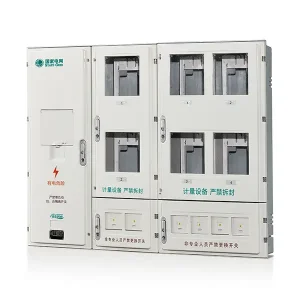
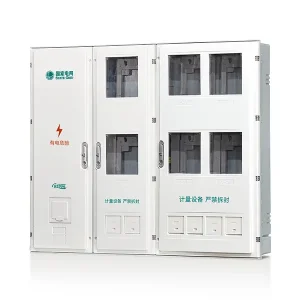
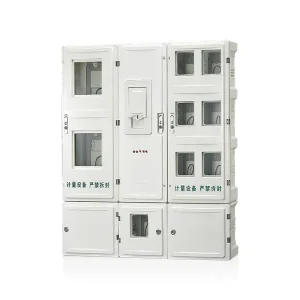
Multi-family apartment complexes, condominium estates, and commercial office towers require concentrated multi-metering bank cabinets. Our multi-position modular boxes (accommodating 2, 4, 6, 9, or 12 single-phase meters alongside common main incoming molded-case circuit breakers) deliver concealed cable channels, isolated busbar risers, and separated user access compartments to guarantee individual tenant privacy and rapid electrical isolation.
Grid-tied solar systems require robust junction and grid-connection metering units capable of handling continuous direct-current thermal dissipation and AC utility synchronization. Teyi supplies specialized SMC fiberglass photovoltaic grid-connected boxes fitted with IP66 breather vents, Class II surge protection, rotary padlockable isolator switches, and dual metering positions to measure gross solar generation alongside net consumption.
Refineries, coastal chemical transfer jetties, and wastewater processing plants operate in atmospheres saturated with hydrogen sulfide, sulfuric acid vapors, and saline spray. Our 316-grade stainless steel pickled and passivated meter cabinets, along with chemical-resistant SMC composite models, ensure zero corrosive degradation, maintaining IP66 seal integrity and safeguarding sensitive internal metering CT electronics from explosive vapors.
International EPC tenders and national utility bids require exhaustive technical documentation, type-test certificates from accredited laboratories, and transparent Quality Assurance plans.
Teyi Electric manufactures panel boards strictly calibrated to international consensus norms. Low-voltage switchgear and controlgear assemblies comply with IEC 61439-1 / IEC 61439-2; degrees of enclosure ingress protection fulfill IEC 60529 (IP54 to IP66); mechanical impact resistance adheres to IEC 62262 (IK08 to IK10); and AC electricity metering equipment enclosure requirements satisfy IEC 62052-11. Comprehensive type-test certificates from independent bodies (such as CNAS, CE, and KEMA-accredited laboratories) are provided with tender qualification packages.
We partner closely with regional distributors and utilities to engineer tailored modifications. Our OEM/ODM capabilities encompass custom cable knock-out arrangements (concentric PG glands or rubber grommets), internal galvanized mounting chassis configurations, multi-lingual laser-etched nameplates, bespoke utility logo engraving, customized tamper-evident triangle or padlock locking mechanisms, and specialized internal wiring harnesses (copper comb busbars or fire-resistant halogen-free cross-linked wiring).
Certified under ISO 9001:2015, ISO 14001:2015, and ISO 45001:2018 management standards, Teyi operates a complete closed-loop manufacturing traceability program. From raw SMC paste compounding and batch resin viscosity testing to hydraulic press dwell-time loggers, every finished meter box carries a serialized laser-etched QR code. This allows utility asset tracking and full material genealogy verification from assembly line to field commissioning.
In-depth engineering answers addressing thermal design, international compliance, custom manufacturing lead times, and global shipping logistics.
While stainless steel provides immense mechanical strength, it is inherently conductive, requiring mandatory earth fault grounding to protect against internal insulation breakdowns. Furthermore, metal enclosures create a Faraday cage effect, attenuating wireless RF signals used by modern AMI smart meters. In contrast, SMC composite provides Class II double insulation, zero risk of shock hazards, complete resistance to atmospheric rust, and full RF transparency for cellular or LoRa smart meter telemetry.
Our single-phase and three-phase meter box assemblies are designed to accommodate main incoming busbar currents from 10 A up to 250 A continuous service at rated operational voltages (Ue) of 220 V, 380 V, and 415 V AC (50/60 Hz). For industrial three-phase transformer-rated models (such as the TY-SXS3 series), the structural internal busbar supports withstand short-time withstand currents (Icw) up to 30 kA for 1 second, adhering to IEC 61439-1 mechanical stress constraints.
High ambient temperatures combined with internal heat dissipation from smart meters and MCBs can cause internal thermal throttling. Teyi incorporates integrated thermodynamic labyrinth ventilation louvers that allow natural convective air flow while maintaining an IP65 or IP54 ingress barrier against driving rain and windborne dust. For extreme humid climates, we integrate pressure compensation breather elements (hydrophobic ePTFE membranes) that prevent vacuum condensation during sudden evening cooling cycles.
Yes. Teyi operates a complete in-house tooling division. We regularly fabricate custom compression molds, personalized company logos, customer-specified lock barrels (such as triangular utility keys, anti-drill brass cylinders, or padlockable hasps), and custom meter mounting plates. Our engineering department reviews CAD/SolidWorks drawings and tender specifications under strict Non-Disclosure Agreements (NDAs), providing DFM (Design for Manufacturability) analysis within 48 hours.
For standard production models, our standard MOQ is 100 units per model. For bespoke ODM projects requiring custom hydraulic tooling, mold fabrication takes approximately 25 to 35 calendar days, followed by sample verification within 7 days. Full container orders (20ft GP or 40ft HQ containers) are typically manufactured, packed in sea-worthy honeycomb cartons on fumigated Euro/US-standard pallets, and dispatched to Ningbo or Shanghai maritime ports within 20 to 30 working days.
Yes. As part of our client qualification protocol, Teyi supplies physical evaluation samples to certified engineering consultancies, EPC contractors, and state utility procurement boards. Samples allow comprehensive in-house mechanical fit verification, terminal torque tests, UV exposure assessments, and local utility approval filings prior to full commercial batch release.
Explore our full line of specialized wall-mounted control boxes, flame-retardant industrial junction enclosures, multi-meter residential arrays, and solar grid-tie units.
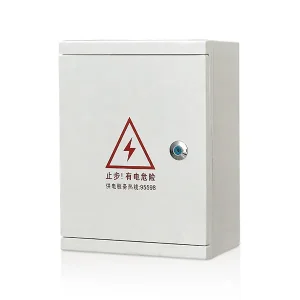
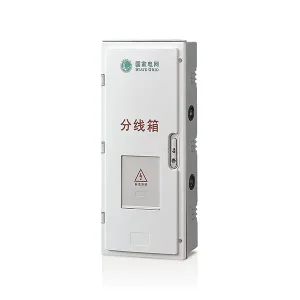
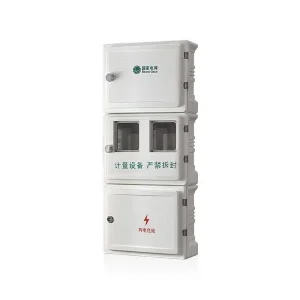
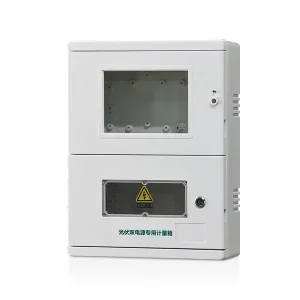
Whether preparing a national utility tender qualification, expanding a regional electrical wholesale inventory, or developing a custom smart grid metering enclosure, Zhejiang Teyi Electric Co., Ltd. provides design-to-delivery technical support, type-test verification, and competitive volume pricing.