
Primary External Metering Enclosures & Control Switchgear
Explore our precision compression-molded and metal-fabricated single- and three-phase solutions tailored for international municipal, residential, and industrial grid connections.
-
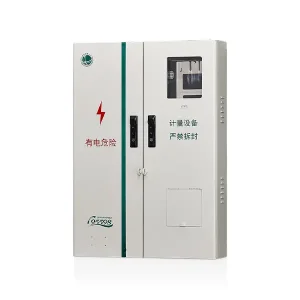 China Stainless Steel Three-Phase Electric Energy Metering Box Suppliers - Hanging Type Factory SolutionsConfigure Specification
-
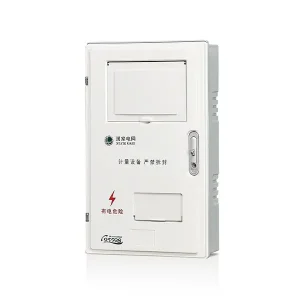 Wholesale China TY-SXS1 Three-Phase One-Position Electric Energy Metering Box - Reliable Suppliers & FactoryConfigure Specification
-
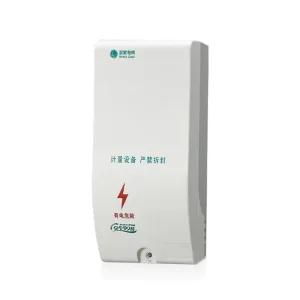 Wholesale TY-SXD1-FX Single-Phase One-Position Distribution Box Manufacturer, FactoryConfigure Specification
-
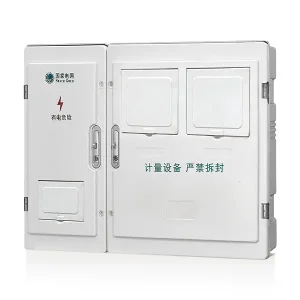 China TY-SXS2-DXJ Low Voltage Three-Phase Electric Energy Metering Box - China Suppliers & FactoryConfigure Specification
-
China TY-SXS2-DXJ Low Voltage Three-Phase Two-Position Electric Energy Metering Box ManufacturerConfigure Specification
-
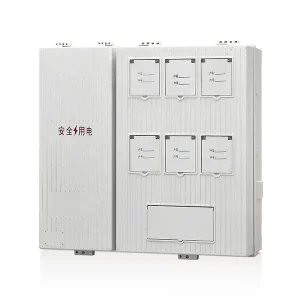 Wholesale China Suppliers Factory TY Single-Phase Electric Energy Metering Box - Safe & Reliable OutdoorConfigure Specification
-
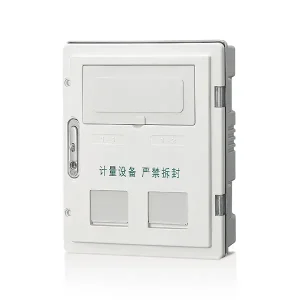 Wholesale Single-Phase Electric Energy Metering Box (Transformer Type) - China Suppliers & FactoryConfigure Specification
-
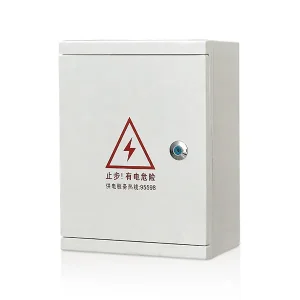 China TY-KZX Wall-Mounted Control Box - Innovative Power Solutions from Trusted Suppliers & FactoryConfigure Specification
Engineering Resilience: The Role of Wholesale External Meter Boxes in Modern Grid Interconnections
In utility distribution networks and decentralized renewable systems, the external meter box serves as the foundational perimeter of operational safety, revenue metering accuracy, and structural asset security. Operating in uncontrolled outdoor environments, these enclosures must reliably mitigate climatic extremes, chemical corrosion, harmonic thermal spikes, physical tampering, and transient fault currents without maintenance intervention over decades.
As modern distribution systems transition toward Smart Grid AMI (Advanced Metering Infrastructure), the external meter box has evolved from an ordinary passive terminal enclosure into a technologically integrated apparatus. Modern configurations must balance high dielectric strength, RF (Radio Frequency) electromagnetic transparency for cellular and mesh communications, fire containment compliant with UL 94-V0 flammability parameters, and rigorous physical impact resistance (IK10).
Procuring directly from specialized original equipment manufacturers like Zhejiang Teyi Electric Co., Ltd. provides electrical utilities, turnkey EPC contractors, and international switchgear wholesalers with verified technical compliance, direct supply-chain traceability, and custom engineering adaptations tailored precisely to national utility tenders.
Thermoset SMC Glass-Fiber Composites vs. Stainless Steel Metallurgy
Selecting the appropriate enclosure matrix requires understanding how polymer-matrix thermosets and metallic microstructures react under mechanical stress, continuous solar radiation, and aggressive chemical ambients.
| Performance Parameter | SMC Fiberglass (Thermoset GRP) | AISI 304 / 316L Stainless Steel | Conventional Polycarbonate / ABS |
|---|---|---|---|
| Dielectric Strength & Grounding | Inherent electrical insulator (>15 kV/mm). Zero risk of enclosure surface energization. Eliminates bonding wires. | Conductive metal. Demands absolute ground continuity bonding to prevent hazardous touch voltages. | Electrical insulator, but lower arc-tracking resistance under sustained flashover events. |
| Mechanical Rigidity (IK Rating) | IK10 (20 Joules). Compression-molded continuous woven strand mat resists extreme hammer impact without denting. | IK10+ (Exceeds 20 Joules). High yield strength, but subject to permanent ductile deformation under focal impact. | IK07 to IK08. Susceptible to stress cracking, notch sensitivity, and low-temperature cold shattering. |
| Corrosion & Chemical Defense | Chemically inert. Immune to atmospheric oxidation, salt fog, hydrogen sulfide, and coastal spray. | Exceptional passivation layer. Grade 316L prevents pitting corrosion; Grade 304 may suffer chloride stress cracking. | Vulnerable to industrial aromatic solvents, petroleum distillates, and aggressive cleaning chemicals. |
| RF Transparency for Smart AMI | Completely transparent to 868MHz, 915MHz, 2.4GHz, and NB-IoT/cellular communication frequencies. Internal antenna permitted. | Acts as a continuous Faraday cage. 100% electromagnetic shielding requires external through-hole antenna masts. | Transparent to RF waveforms, but long-term dielectric loss factor degrades with resin oxidation. |
| Thermal Stability & Flammability | Thermoset compound does not melt or drip under heat. UL 94-V0 self-extinguishing within 10 seconds. Glow wire 960°C. | Non-combustible. High thermal conductivity transmits internal electrical switchgear heat directly to outer skin. | Thermoplastic matrix melts, softens, and drips at 110°C–140°C, propagating burning droplets. |
| Outdoor Operational Lifespan | 30+ Years Outdoor / 40+ Years Indoor with anti-UV stabilizing masterbatches. | 25–35 Years depending on environmental atmospheric acidity and chloride contamination. | 7–12 Years before photo-oxidative degradation induces yellowing, brittleness, and microcracks. |
Thermal Dissipation Engineering
Multi-tier residential and three-phase meter banks experience internal thermal loads up to 150W from busbar I²R losses, CTs, and auxiliary disconnect contactors. Our external meter box architectures incorporate labyrinthian, water-repellent natural convection vents that induce a thermodynamic chimney effect, sustaining internal delta-T (ΔT) below 15°C without compromising IP54/IP65 ratings.
Anti-Tamper & Revenue Defense
Unaccounted-for commercial losses (electricity theft) exceed billions globally. Teyi meter boxes feature concealed multi-point internal hinges, padlockable master latching systems with proprietary utility key patterns, secondary utility wire seal eyelets, and optional magnetic-reed micro-switch sensors that trigger remote AMR alerts upon unauthorized door manipulation.
Modular Din-Rail Adaptability
Internal layouts support configurable combinations of standard IEC 60715 top-hat DIN-rails, transparent polycarbonate viewing windows treated with anti-scratch UV barriers, and segmented modular compartments that isolate the revenue metering instrument from downstream customer-accessible miniature circuit breakers (MCBs) and residual current devices (RCDs).
Engineered Adaptation Across Divergent Global Climatic Zones
An enclosure deployed in the equatorial humidity of Southeast Asia encounters completely different physical stresses than one installed in the sub-zero winters of Northern Europe or the hyper-arid solar deserts of the Middle East.
Arid Middle East & GCC
Design Criteria: Ambient extremes up to +55°C, high solar irradiance (>1,000 W/m²), and fine windborne sand abrasion.
Teyi Solution: High-concentration hindered amine light stabilizers (HALS) integrated into SMC resin formulas prevent surface chalking. Dual-lip seamless polyurethane foamed gaskets achieve IP66 ingress protection against airborne dust.
Nordic & Alpine Sub-Zero
Design Criteria: Temperatures plunging to -40°C, cyclic freeze-thaw cycles, and heavy structural snow accumulation.
Teyi Solution: High-impact SMC formulations modified with synthetic elastomers eliminate low-temperature embrittlement, retaining IK10 impact tolerance. Overhanging sloped drip roofs prevent water buildup and freezing over the door seal perimeter.
Tropical Maritime & Coastal
Design Criteria: Continuous 95% relative humidity, salt spray fog, airborne chlorides, and torrential monsoon deluges.
Teyi Solution: Corrosion Category C5-M rated SMC composite enclosures or AISI 316L marine-grade stainless enclosures with electropolished surface passivation. Patented bottom breather drains discharge condensation while blocking horizontal liquid ingress.
Dense Urban High-Rise
Design Criteria: Space-constrained electrical shafts, multi-family metering concentration, low-smoke zero-halogen requirements.
Teyi Solution: High-density TY-SXD2 multi-position enclosures accommodating 2 to 12 energy meters in a unified vertical footprint. Halogen-free, self-extinguishing thermoset resin ensures zero toxic fluorine or chlorine gas emissions in public stairwells.
The Yueqing Ecosystem: Industrial Clustering, Tooling Mastery, and Speed-to-Market
Headquartered in the Yueqing Economic Development Zone (Wenzhou, Zhejiang)—internationally recognized as the "Electrical Capital of China"—Zhejiang Teyi Electric Co., Ltd. sits at the heart of the world's most concentrated low- and medium-voltage electrical manufacturing cluster.
Hyper-Dense Component Colocation
Within a 15-kilometer radius of our manufacturing plants, thousands of specialized tier-1 sub-suppliers produce precision copper busbars, flame-retardant terminal blocks, CTs, circuit breakers, and sealing elastomers. This hyper-dense industrial co-location minimizes inventory lead times, insulates production schedules against global logistical bottlenecks, and allows turnkey customization of meter boxes pre-wired with client-specified switchgear in a fraction of standard lead times.
In-House Tooling & Hydraulic Press Capacity
Our facility houses high-tonnage multi-axis hydraulic compression molding presses (from 300 to 2,000 tons) capable of pressing large-format multi-position meter boxes and industrial JP distribution cabinets with consistent wall thickness and zero internal voiding. Operating an internal CNC mold-design and tooling center allows Teyi to engineer new custom molds for utility-specific dimensional tenders within 25 to 35 business days.
Full Vertical Quality Control
From raw unsaturated polyester resin synthesis, fiberglass roving selection, and SMC sheet formulation to automated hot-press molding, deflashing, and assembly, every step is rigorously monitored under ISO 9001 and ISO 14001 factory governance.
Rapid Prototype Sampling (ODM)
Before launching high-volume production for municipal or utility tenders, our engineering department provides rapid CAD/CAM modeling, 3D structural validation, and full functional pre-production prototypes for physical lab evaluation.
Scalable High-Volume Delivery
Equipped with optimized assembly cells and continuous-shift capabilities, our Yueqing plant consistently handles massive multi-container grid renewal orders for state utilities, EPC partners, and commercial wholesalers worldwide.
The Next Era of Metering Enclosures: Smart Grid, AMI & Edge Sensing
As power grids incorporate rooftop solar arrays, bidirectional power feeds, and automated microgrid demand response, the humble external meter enclosure is advancing into an active IoT smart distribution node.
AMR/AMI Wireless Optimization
Metallic enclosures severely attenuate cellular (4G/5G, NB-IoT) and wireless mesh (Wi-SUN, Zigbee) telemetry signals, requiring external antenna penetrations that risk water leaks. SMC fiberglass enclosures exhibit near-zero dielectric attenuation, allowing internal antennas to transmit real-time meter telemetry reliably through the enclosure shell.
IoT Micro-Environmental Sensing
Next-generation Teyi prototypes integrate continuous micro-climate sensors monitoring internal humidity, temperature differentials, and partial-discharge ionized ozone gases. These condition-based maintenance data streams alert utility dispatchers to loose terminal torque or insulation breakdown long before catastrophic electrical fires occur.
Bidirectional Distributed Energy Metering
With distributed residential photovoltaic (PV) and battery storage interconnections expanding rapidly, our enclosures feature dedicated dual-channel provisions for bidirectional import/export net meters, rapid-shutdown disconnect switches, and grid-synchronization protection relays in segregated, tamper-proof compartments.
Rigorous Testing According to International Electrotechnical Standards
To qualify for major utility tenders and overseas infrastructure projects, meter enclosures must undergo multi-axis qualification under international standards.
IEC 62208 Low-Voltage Enclosures
Comprehensive compliance validation encompassing static mechanical load limits, thermal cycling resistance, dielectric withstand, corrosion resilience, and flammability parameters for empty low-voltage switchgear assemblies.
IEC 60529 Ingress Protection (IP54 to IP66)
Dust-chamber suction testing confirms no fine talcum powder enters internal energized busbars, paired with continuous high-pressure water nozzle jet exposure along door gaskets and cable gland entry plates.
IEC 62262 Mechanical Impact (IK10)
Drop-hammer and spring-loaded impact testing delivering 20.0 Joules of kinetic energy onto corners, window viewing ports, and latching mechanisms to verify zero fracture or displacement of internal live components.
Frequently Answered Questions for Utility Engineers & Buyers
Clear technical answers regarding raw material formulations, custom tooling timelines, compliance testing, and global logistics.
What are the key technical advantages of SMC (Sheet Molding Compound) over stainless steel for outdoor metering enclosures?
How does Teyi Electric prevent internal moisture accumulation and condensation inside outdoor IP-rated meter boxes?
What is the typical tooling lead time and MOQ for custom-dimension OEM or tender-specific meter box designs?
Are Teyi meter boxes fully compatible with Advanced Metering Infrastructure (AMI) smart meters from Landis+Gyr, Itron, and Schneider?
What fire safety, flame retardancy, and glow-wire certifications do your composite meter boxes comply with?
Can your factory provide pre-assembled, pre-wired meter boxes directly to project job sites?
Specialized Distribution Enclosures, CT Cabinets & Branch Boxes
High-capacity transformer-rated metering enclosures, multi-meter residential arrays, and pad-mounted cable branch cabinets built to rugged utility specifications.
-
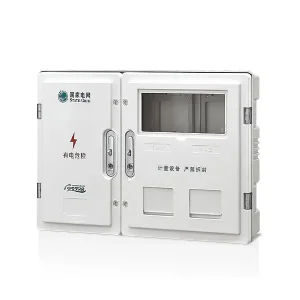 Wholesale Single-Phase Electric Energy Metering Box TY-SXD2 Series - Reliable Solutions ManufacturerConfigure Specification
-
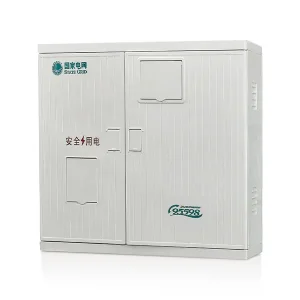 China Low Voltage B Type Transformer Box TY-SXS3-BXJ - Reliable Power Management SolutionsConfigure Specification
-
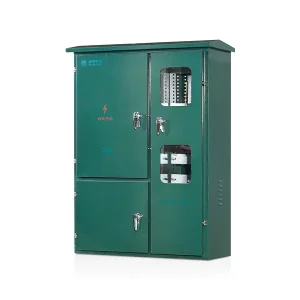 China Stainless Steel Three-Phase Electric Energy Metering Box - Factory Direct Supply for Industrial UseConfigure Specification
-
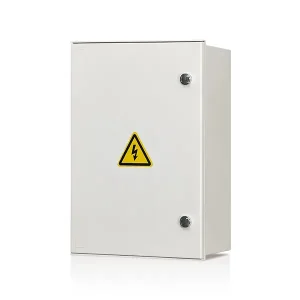 Wholesale China Suppliers Factory TY-SXD1-FSH1 Waterproof Box for IP44 Meter ProtectionConfigure Specification
-
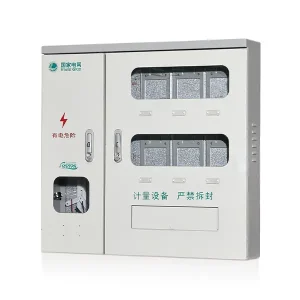 Wholesale China Stainless Steel Single Phase Electric Energy Metering Box - Suppliers & Factory QualityConfigure Specification
-
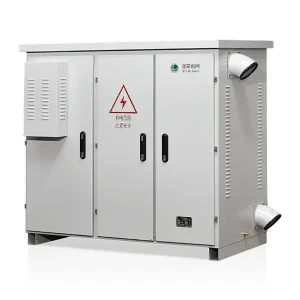 Wholesale Stainless Steel JP Cabinet Integrated Distribution & Metering Suppliers, FactoriesConfigure Specification
-
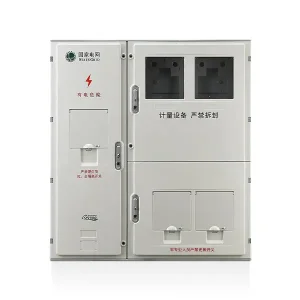 Wholesale TY Three-Phase Electric Energy Metering Box (Transformer Type) Manufacturer, SuppliersConfigure Specification
-
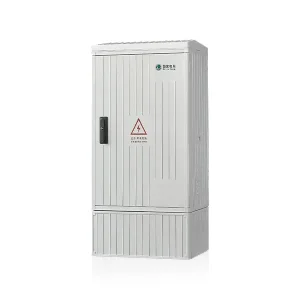 Wholesale China TY-DFW Floor-Standing Cable Branch Box - Durable Supply from Trusted SuppliersConfigure Specification