
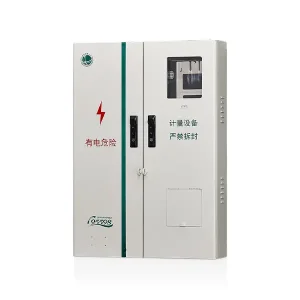
Featured Industrial Power Metering Solutions
Explore our export-grade single-phase and three-phase meter distribution systems engineered for superior electrical insulation, environmental resistance, and rigorous compliance.
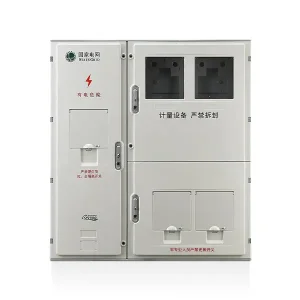
Wholesale China TY Three-Phase Electric Energy Metering Box - Transformer Type
Explore Specifications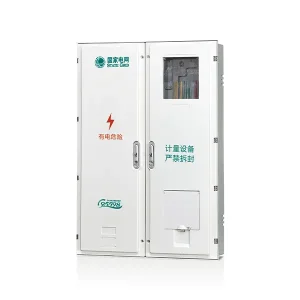
China Suppliers TY-SXS3 Three-Phase Electric Energy Metering Box (Transformer Type)
Explore Specifications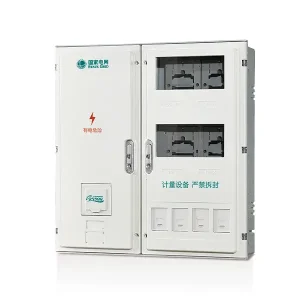
Wholesale TY-SXD2-B Single-Phase Electric Energy Metering Box Direct OEM
Explore Specifications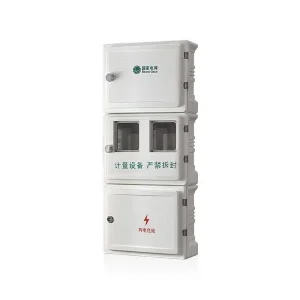
Wholesale TY-SXD2 Single-Phase Metering Box (10A-250A Busbar, 30KA Capacity)
Explore Specifications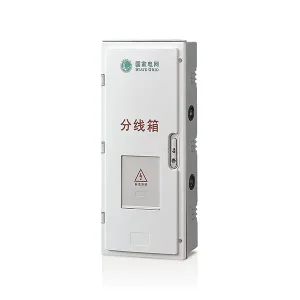
China TY-FXX Junction Box - Flame Retardant Heavy-Duty Enclosure Systems
Explore Specifications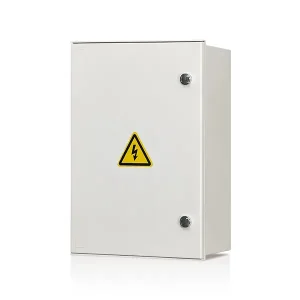
Wholesale TY-SXD1-FSH1 Waterproof Box for IP44 High Moisture & Dust Protection
Explore Specifications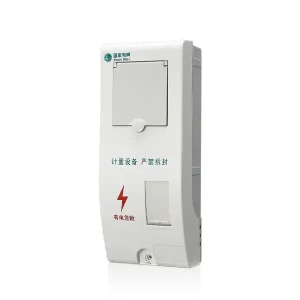
Wholesale China TY-SXD1 Single-Phase Electric Energy Metering Box Factory Direct
Explore SpecificationsNext-Generation Smart Grid Enclosures: Strategic Trends
The global transition toward decentralized power grids, AMI (Advanced Metering Infrastructure), and renewable microgrids has elevated the humble meter box into a critical frontline security asset.
40+ Yrs
Indoor Design Life (SMC)
30 kA
Short-Circuit Withstand
IK10 / IP66
Max Ingress & Impact Rating
100%
Dielectric Non-Conductive
Revenue Protection & Anti-Tamper
Non-technical losses (electricity theft) cost utilities over $96 billion annually worldwide. Modern meter boxes incorporate integrated labyrinth seals, optical sensor cutouts, reverse-hinged structural ribs, and RFID-compatible padlocking bays to prevent unauthorized access.
Material Science: SMC vs. Heritage Steel
Compression-molded Sheet Molding Compound (SMC) unsaturated polyester fiberglass has rapidly displaced traditional galvanized sheet metal. SMC eliminates the danger of lethal surface electrification while providing unmatched corrosion resistance in humid, maritime environments.
IoT & Wireless RF Propagation
Smart utility meters utilize Cellular IoT (NB-IoT, LTE-M) and RF mesh frequencies. Unlike metal cabinets that act as Faraday cages and degrade network signals, SMC composite enclosures exhibit zero radio attenuation, ensuring uninterrupted transmission of live telemetry data.
China Factory 4.0: Yueqing Supply Chain Resilience
Located in the Yueqing Economic Development Zone—the internationally acknowledged "Electrical Capital of China"—our manufacturing facilities offer unmatched engineering scalability and speed-to-market advantages.
End-to-End Vertical Tooling
In-house CNC mold fabrication allows custom design turns in as little as 14 business days, reducing utility tender lead times from initial mock-up to mass delivery.
Hyper-Clustered Sourcing
With high-grade copper busbars, circuit breakers, terminal blocks, and silicon seals produced within a 15 km radius, raw material supply disruptions are functionally non-existent.
Automated Hydraulic Presses
High-tonnage hydraulic compression presses equipped with multi-zone heating controls ensure consistent curing, eliminating internal voids and structural warp.
Direct Deep-Sea Export Hub
Direct logistical access to Ningbo and Shanghai ports enables containerized consolidations with minimal transit overhead, ensuring low freight costs worldwide.
Material Engineering Matrix: Tender Specification Reference
A rigorous empirical breakdown of enclosure materials to assist electrical engineers, procurement committees, and EPC tender managers in risk mitigation.
| Evaluation Parameter | SMC Fiberglass Composite (GRP) | Stainless Steel (304 / 316 Grade) | Polycarbonate (PC) / ABS Plastic |
|---|---|---|---|
| Dielectric Strength & Personnel Safety | Exceptional (Dielectric Breakdown >18 kV/mm). Zero risk of contact shocks. | Conductive. Strictly requires redundant, audited earthing circuits. | Good insulation, but degrades rapidly if tracking occurs across surface. |
| Corrosion & Chemical Resistance | Inert to saline coastal air, acid rain, sulfuric gases, and industrial fumes. | Excellent, but prone to pitting in extreme coastal/chlorine environments. | Moderate; vulnerable to prolonged petrochemical solvent exposures. |
| UV Degradation & Outdoor Aging | Engineered with UV inhibitors. Designed life: 30+ yrs outdoors, 40+ yrs indoors. | Indefinite UV life; however, cosmetic surface oxidation can emerge. | Subject to embrittlement, chalking, and micro-cracking within 5–8 yrs outdoors. |
| Vandalism & Mechanical Impact (IK) | IK10 rating. High tensile strength due to multi-directional glass fibers. | IK10+. Highly resilient to impact; prone to permanent denting. | IK07 – IK08. Susceptible to fracture under high-impact blows in sub-zero temps. |
| RF & Cellular Signal Transparency | 100% Transparent. Ideal for cellular IoT, Zigbee, LoRa, and smart grids. | Faraday Cage shielding effect. Demands expensive external dipole antennas. | Transparent to RF, but thin walls frequently permit RF noise interference. |
| Total Cost of Ownership (20-Yr Basis) | Lowest. Negligible maintenance, zero repainting, zero rust repairs. | High initial CAPEX. Periodic ground checking and fastener servicing required. | Medium initial CAPEX; requires recurring replacement cycles. |
Localized Grid Architectures & Enterprise Procurement Needs
Enclosure performance requirements vary significantly depending on international regional climates, local distribution topologies, and specific national grid standardizations.
Middle East & North Africa (MENA)
Projects across the GCC demand thermal survival at +55°C ambient temperatures under intense solar irradiance. Our enclosures utilize advanced SMC formulations capable of sustaining continuous heat distortion thresholds exceeding 200°C without mechanical sagging or loss of structural integrity.
Southeast Asia & Coastal Latin America
Typhoon-prone, coastal zones face extreme humidity, heavy salt spray, and seasonal flooding. IP65/IP66 polyurethane poured-in-place sealing gaskets and stainless steel external latches prevent salt crystallization, short-circuit tracking, and inner busbar corrosion.
High-Density Urban Developments
Sub-metering in residential high-rises and commercial towers requires multi-position gang enclosures (such as our TY-SXD2 series). Partitioned wiring channels separate the utility main breaker bay from tenant observation windows, guaranteeing safety and simplified meter auditing.
Commercial & High-Current Metering Inventory
Explore heavy-duty three-phase transformer cabinets, multi-meter residential clusters, and custom multi-position distribution enclosures.
China Three-Phase Electric Energy Metering Box (Transformer Type) - TY-SXS3
Explore Specifications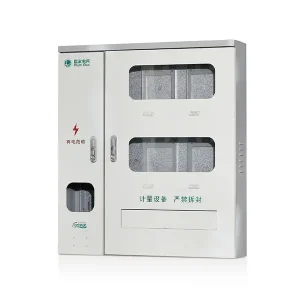
China Stainless Steel Three-Phase Metering Box (Direct Entry) Factory Solutions
Explore Specifications
Wholesale TY-SXD2 Single-Phase Metering Box (Rated Current 250A to 10A)
Explore Specifications
China TY-SXD1-FSH1 Waterproof Industrial Utility Distribution Box
Explore Specifications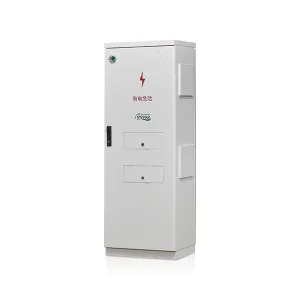
China Stainless Steel Single-Phase Twelve-Position Floor-Standing Meter Cabinet
Explore Specifications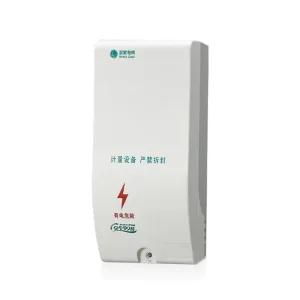
Wholesale TY-SXD1-FX Single-Phase One-Position Modular Distribution Box
Explore Specifications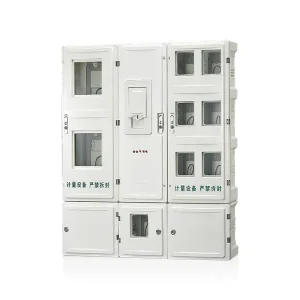
China TY-SXD2+SXS2-1B Three-Phase (2 Pos) & Single-Phase (6 Pos) Metering Unit
Explore Specifications
China TY-SXD2+SXS2-1B High Capacity Hybrid Energy Metering Enclosure Systems
Explore SpecificationsFrequently Asked Questions (Technical & Procurement FAQ)
In-depth insights into custom engineering specifications, international testing certifications, raw material selection, and delivery guarantees.
What international testing standards do your meter boxes satisfy? +
Our enclosures conform to IEC 62208 (General requirements for empty enclosures for low-voltage switchgear and controlgear assemblies), IEC 60529 (IP Degrees of Protection up to IP66), IEC 62262 (IK impact resistance up to IK10), and UL 94 V-0 flame-retardant standards. Third-party type-test reports from international laboratories are readily available for tender submission packages.
How does SMC compare against traditional Polycarbonate (PC) in outdoor longevity? +
Polycarbonate degrades when exposed to continuous intense UV radiation, causing yellowing, embrittlement, and surface micro-cracking over 5 to 7 years. In contrast, Sheet Molding Compound (SMC) uses thermosetting unsaturated polyester with high fiberglass reinforcement (typically 25%–30%), guaranteeing structural life over 30 years outdoors and 40 years indoors without thermal deformation or brittle failure.
Can internal busbars and breaker layouts be customized for our utility? +
Yes. Our in-house engineering team provides complete OEM/ODM flexibility. We configure main busbar capacities ranging from 10A up to 250A (rated for up to 30 kA short-circuit withstand capacity), customize internal DIN rails, add neutral/earth disconnection links, and position CT (Current Transformer) mounting plates according to your precise regional single-line diagrams.
What anti-tamper mechanisms are integrated into your three-phase enclosures? +
Our meter boxes integrate structural anti-theft mechanisms: concealed non-removable hinge pins, utility padlock bays, multi-point internal sliding latch rods, provision for utility lead/wire security seals, and separate lockable compartments that isolate the utility incoming line from the consumer distribution breaker.
What are your minimum order quantities (MOQ) and production turnaround times? +
For standard catalog configurations (such as TY-SXD1 or TY-SXS3), our MOQ starts at 100 units. For fully customized OEM enclosures involving dedicated mold alterations, MOQs typically range from 500 to 1,000 units. Standard production lead times run between 20 and 30 days following engineering drawing approvals.
How do you guarantee quality consistency across high-volume utility tenders? +
We execute strict statistical process control under our ISO 9001, ISO 14001, and ISO 45001 certifications. Every batch undergoes raw material resin glass-content validation, mold pressure and temperature data logging, wall-thickness micrometer audits, high-voltage insulation dielectric checks, and water spray ingress verification prior to container loading.