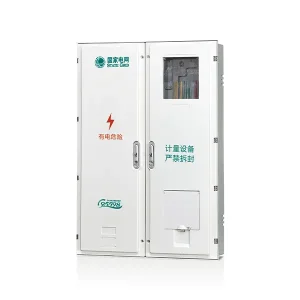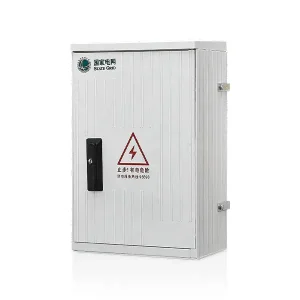
Precision Enclosures
Flagship Utility & Slimline Metering Series
Engineered for high mechanical rigidity, zero galvanic corrosion, and optimized internal layout for rapid utility field deployment.
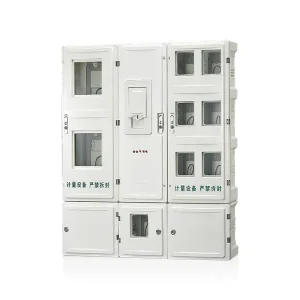
TY-SXD2+SXS2-1B Dual Meter Enclosure
View Specifications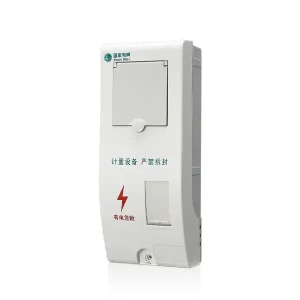
TY-SXD1 Single-Phase Single-Position Box
View Specifications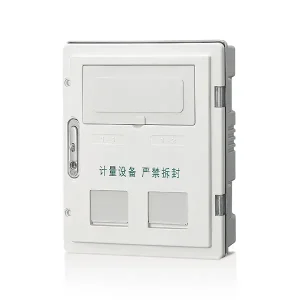
TY Single-Phase Box (Transformer Type)
View Specifications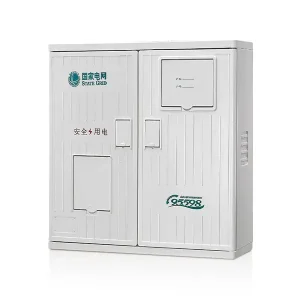
TY-SXS1-AXJ LV / AGXJ HV Meter Box
View Specifications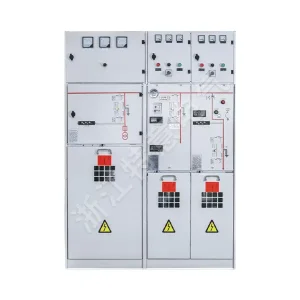
Gas-Insulated Ring Main Unit (RMU)
View Specifications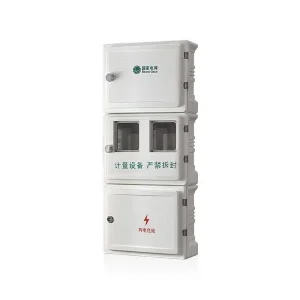
TY-SXD2 Multi-Position Meter Box (2-6)
View Specifications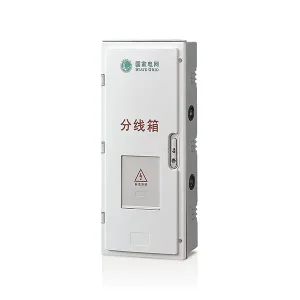
TY-FXX Flame-Retardant Junction Box
View Specifications40+
Years Indoor Life Rating
30 kA
Short-Time Withstand Icw
IP65 / IK10
Ingress & Impact Protection
100%
SMC In-House Molded Batching
Macro Landscape
The Global Transition Toward Slimline Meter Enclosures
Decentralization, smart grid rollouts, and urban architectural density are rewriting enclosure parameters across five continents.
Urban Space Constraints
Modern high-density residential towers and retrofitted heritage buildings require reduced enclosure depths. Slimline architectures preserve clearance in tight electrical risers, corridors, and exterior utility easements without compromising thermal dissipation or DIN-rail terminal spacing.
Non-Technical Loss Mitigation
Power theft remains a multi-billion dollar hurdle for emerging utilities. Slimline SMC designs integrate internal concealed hinges, anti-pry labyrinth seals, and optical-tamper sensor housings that deny unauthorized access while eliminating conductive shock hazards.
AMI & IoT Communication Pass-Through
Traditional deep metal cabinets create Faraday cage conditions that attenuate 4G LTE-M, NB-IoT, and RF mesh signals. Non-metallic SMC polyester matrices allow high RF transparency, reducing the need for costly external antennae in advanced smart metering programs.
Field Engineering
Localized Application Environments & Engineering Adaptations
From hyper-arid deserts to salt-spray shorelines, enclosures must be precisely tailored to ambient stress factors.
Middle East & Sub-Saharan Solar Intensity
In regions where surface temperatures exceed 55°C and direct solar irradiation induces UV degradation, our slimline enclosures use high-purity UV-stabilized unsaturated polyester resins. Precision multi-chamber heat chimneys bleed thermal buildup without violating IP54/IP65 sand ingress barriers.
Southeast Asian Coastal & Monsoonal Belts
Marine environments with relative humidity hovering over 90% cause rapid oxidation of conventional steel cabinets. Our fiberglass thermoset construction is 100% rust-proof, resistant to acid rain and saline vapor, guaranteeing a zero-maintenance service life exceeding 30 outdoor years.
High-Latitude & Alpine Sub-Zero Conditions
Tested down to -40°C, the SMC thermoset formulation eliminates low-temperature brittleness common to low-grade ABS/polycarbonate enclosures. Polyurethane continuous-pour foaming gaskets maintain elasticity under freeze-thaw cycling, preventing moisture ingress and internal condensation shorts.
Supply Chain Advantage
Why Yueqing: The Epicenter of Electrical Enclosure Manufacturing
Industrial scale, localized raw material synthesis, and deep vertical integration generate unmatched lead-time velocity.
Zero-Kilometer Sourcing
Located in the Yueqing Economic Development Zone, our manufacturing lines source breakers, busbars, wiring harnesses, CTs, and specialized terminals within a 15-minute logistics radius, shrinking development cycles.
High-Tonnage Hydraulic Presses
Our plants operate closed-loop hydraulic compression machines ranging up to 2,000 metric tons. Automated heat control across precision CNC tooling produces high structural density and wall-thickness consistency.
Stringent In-House QC Labs
Every production batch undergoes glow-wire flammability testing (IEC 60695-2-11 at 960°C), ball-drop mechanical impact validation (IK10 rating), short-circuit withstand checks (up to 30 kA), and dielectric isolation testing.
Flexible Volume Scalability
Whether accommodating customized 50-unit pilot samples for local utility approvals or fulfilling multi-container tender orders for state-owned grid expansions, our modular shift operations maintain strict scheduling accuracy.
Engineering Deep Dive
Technical Roadmap: SMC Formulation & Next-Gen Substation Integration
A rigorous examination of polymer chemistry, structural optimization, and the evolutionary path of distribution metering.
1. Advanced SMC (Sheet Molding Compound) Material Matrix
SMC is a composite comprising unsaturated polyester resin, continuous or chopped roving glass fibers (typically 25% to 30% by weight), inorganic mineral fillers (calcium carbonate, aluminum trihydrate for flame quenching), and specialized low-profile additives. When cured under pressures exceeding 10 MPa and temperatures between 130°C and 150°C, the matrix cross-links irreversibly into an ultra-rigid 3D thermoset molecular structure.
Unlike thermoplastics (e.g., ABS, PVC, or standard polycarbonate) which lose mechanical integrity near glass-transition temperatures, SMC remains dimensionally invariant across a continuous operating spectrum of -40°C to +140°C. Furthermore, the absence of free carbon chains delivers dielectric insulation figures exceeding 15 kV/mm, providing an inherent Class II insulation level that protects maintenance personnel and the public against indirect contact faults.
2. Architectural Optimizations in Slimline Engineering
Transitioning to a "slimline" profile without compromising breaker clearance or ventilation performance requires specific structural adaptations:
- Rib-Reinforced Load Distribution: Rather than relying solely on thicker base walls, FEA-optimized rib networks are molded directly into internal rear panels and door frames, preserving IK10 mechanical shock resistance while trimming overall depth by up to 35%.
- Internal Segregated Compartmentalization: Dedicated isolated compartments for the supply main breaker, current transformers, secondary terminal blocks, and customer-accessible distribution switches prevent accidental touch faults during routine fuse replacement.
- Direct-Channel Heat Chimneys: Integrated bottom-up convection vents with internal angled louvers prevent direct water spray and dust ingress (maintaining IP44/IP54 ratings) while expelling heat generated by CT cores and heavy resistive loads.
3. Technology Roadmap: Moving Toward TTU Edge Fusion & Microgrid Integration
The standard electricity meter box is shifting from a passive housing into an active edge perception node. Our ongoing R&D incorporates:
- Embedded Edge Computing Modules: Direct housing provisions for Intelligent Fusion Terminal Boxes (TTU), enabling real-time monitoring of phase imbalance, harmonics, transformer oil temperatures, and low-voltage topology tracking.
- Photovoltaic Bidirectional Flow Monitoring: Pre-wired configurations incorporating rapid DC/AC disconnects, bidirectional smart meters, and surge suppression (SPD) for rooftop PV arrays and distributed microgeneration storage units.
- Smart Electronic Locking & Audit Logs: Bluetooth Low Energy (BLE) and RFID locking mechanisms that transmit geo-tagged access time logs to cloud SCADA platforms, preventing field tampering.
Compliance & Support
International Certification, OEM/ODM & Tender Assurance
Helping overseas procurement bodies, EPC contractors, and brand partners pass utility lab qualification smoothly.
IEC / EN Regulatory Harmonization
Our enclosures and low-voltage assemblies conform to IEC 61439-1/-2 (low-voltage switchgear and controlgear assemblies), IEC 60529 (degrees of protection provided by enclosures), and IEC 62262 (IK code impact resistance), backed by third-party CNAS/ILAC-accredited test reports.
Full Tender Documentation Packs
We supply comprehensive technical portfolios for utility bidding, including AutoCAD/SolidWorks dimensional drawings, thermal simulation reports, internal wiring schematics, dielectric insulation certificates, and raw material safety datasheets (MSDS).
Confidential OEM Tooling & Prototyping
For custom utility tenders with distinct dimensional limits or unique latching points, our in-house mold division handles rapid 3D prototyping and production tooling within 25 to 35 business days, protected by binding NDAs.
Technical Help Center
Frequently Asked Questions (FAQ)
Key technical and procurement criteria addressing engineer, buyer, and tender queries.
What are the key technical differences between SMC fiberglass and conventional stainless steel meter boxes?
SMC (Sheet Molding Compound) is inherently dielectric, meaning it provides total Class II insulation without requiring an external earthing conductor to prevent chassis electrocution hazards. It is also completely immune to galvanic rust and electrochemical oxidation in coastal and salty air. Stainless steel (e.g., 304 or 316 grade) offers higher ultimate mechanical tensile strength and resistance against heavy physical ballistics, making it preferable for specific high-vandalism city centers. However, SMC is significantly lighter, easier to install, transparent to RF smart meter signals, and more cost-effective for large-scale utility deployments.
How do slimline meter boxes maintain adequate thermal dissipation for high-ampere applications?
Slimline enclosures use natural chimney effect convection. Angled bottom intake slots work alongside top exhaust ports protected by internal labyrinths to expel rising warm air from current transformer (CT) windings and circuit breakers. Even in narrow-depth designs, internal clearances comply with IEC 61439-1 creepage and clearance boundaries up to 250 A continuous busbar currents without exceeding permissible enclosure surface temperatures.
Are slimline meter boxes suitable for smart grids using RF Mesh, NB-IoT, or 4G LTE communication?
Yes. Glass-fiber reinforced polyester matrices offer near-zero signal attenuation at typical cellular and ISM frequencies (433 MHz, 868 MHz, 915 MHz, 2.4 GHz, and 4G/5G bands). Unlike metal enclosures, which act as Faraday cages and require externally mounted, vandal-prone antennae, slimline SMC boxes allow reliable communication with internal antenna arrays.
What anti-tampering and revenue protection features are available for utility tenders?
Our meter boxes can be configured with multiple anti-theft mechanisms: concealed non-removable internal pivot hinges, utility-grade padlock hasps, lead-wire seal provisions on meter observation windows, triangle-key or penta-head master lock cores, and internal partition barriers separating the service utility breaker from the consumer distribution switches. Microswitch tamper sensors can also be integrated to trigger AMI mesh alarms if the front panel opens without authorization.
What is the standard production lead time and minimum order quantity (MOQ) for custom configurations?
For catalog products, standard MOQs start at 50 to 100 units with typical lead times of 15 to 20 days. For custom OEM/ODM designs requiring new compression tooling, mold creation and initial pilot sample delivery take approximately 30 to 40 days. Once tooling is validated, mass production cycles generally run between 20 and 25 days per 40-foot high-cube container batch.
System Integration
Complementary Low-Voltage Distribution Equipment
Complete secondary distribution hardware engineered to interface with our slimline metering lines.
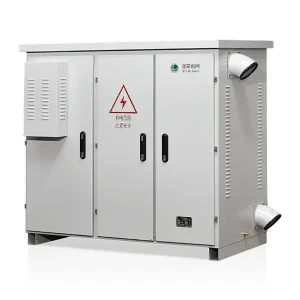
Integrated Stainless Steel JP Cabinet
View Specifications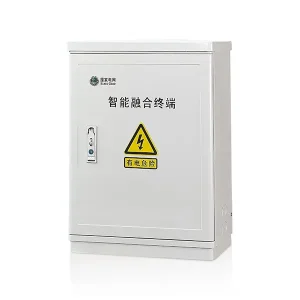
TY-TTU Smart Fusion Terminal Enclosure
View Specifications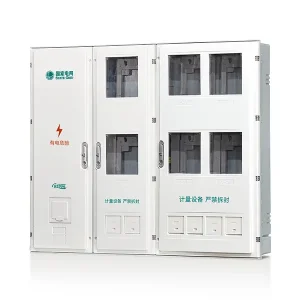
TY Three-Phase Energy Metering Cabinet
View Specifications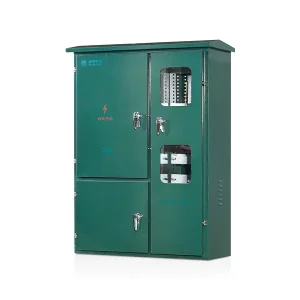
Ground-Standing Three-Phase 2-Pos Cabinet
View Specifications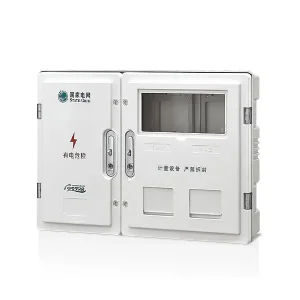
TY-SXD2 High-Density Multi-Position Box
View Specifications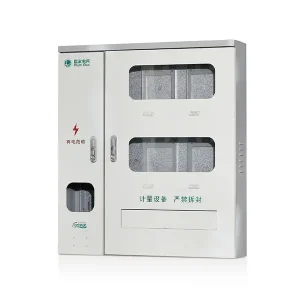
Direct-Entry Stainless Meter Cabinet
View Specifications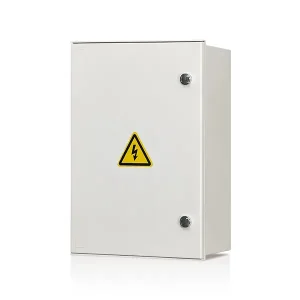
TY-SXD1-FSH1 Weatherproof Meter Enclosure
View Specifications