
High-Performance Distribution & Subsurface Enclosure Solutions
Explore Teyi Electric’s certified primary line of intelligent terminals, modular SMC cabinets, and integrated subterranean access housings engineered to global electrical and civil standards.
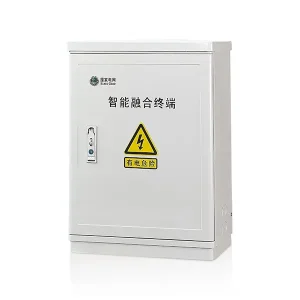
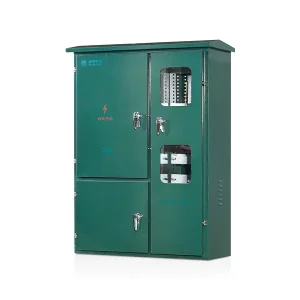
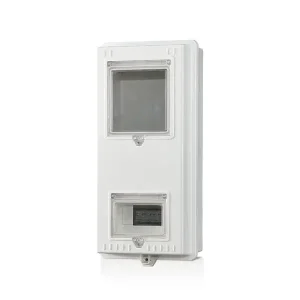
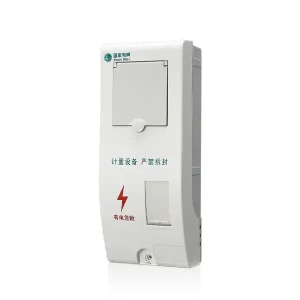
Engineering Paradigm: The Modern Rectangle Manhole Cover Ecosystem
A rigorous analysis of composite thermodynamics, heavy-duty subterranean structural design, and China’s supply chain leadership in precision infrastructure containment.
As civil engineering authorities across Europe, North America, the Middle East, and Asia transition away from legacy gray cast iron, Chinese manufacturing facilities lead the global supply chain in thermosetting compression molding and structural fabrication. Zhejiang Teyi Electric Co., Ltd., situated in the core of Yueqing—the world-renowned Electrical Capital of China—has combined cutting-edge hydraulic compression molding with comprehensive metallurgical capabilities. By utilizing high-tonnage thermoset molding (Sheet Molding Compound - SMC) alongside precision 304/316 stainless steel and ductile iron engineering, modern Chinese factories deliver high-integrity underground access solutions tailored to EN 124, AASHTO M306, and ASTM C857 specifications.
Why Tier-1 Utilities Source Rectangle Manhole Covers from China
Vertical supply chain integration, advanced hydraulic compression technology, and rigorous laboratory verification provide unmatched lifecycle cost benefits.
Ultra-High Tonnage Pressing
Chinese composite factories deploy 1,500 to 4,000-metric-ton automated hydraulic presses operating at 150°C–170°C. This ensures high structural cross-linking density, uniform wall thickness, and void-free molecular integration throughout large-format rectangular surfaces.
Specialized Polymer Chemistry
By blending unsaturated vinyl ester or polyester resins with continuous E-glass fiber roving (up to 30% by weight) and structural cross-ribbed internal webs, Chinese factories formulate covers that resist deformation under extreme axial shear stresses.
End-to-End Cluster Ecosystem
Rooted in Zhejiang's industrial corridor, factories benefit from immediate localized access to precision mold-making, EPDM gasket extrusion, high-tensile stainless locking bolts, and third-party universal test machines (UTM) for immediate ISO/EN batch testing.
Engineering Evaluation: SMC Composite vs. Ductile Iron vs. Stainless Steel
A multi-parameter comparison assessing electrical insulation, corrosion mechanics, weight distribution, and real-world lifecycle costs for civil underground chambers.
| Evaluation Parameter | SMC Composite GRP/FRP | Ductile Iron (EN-GJS-500-7) | Fabricated Stainless Steel (304/316) |
|---|---|---|---|
| Electrical Conductivity | Dielectric insulator (>10¹² Ω·cm); eliminates stray current hazard | Conductive; requires equipotential grounding | Conductive; mandatory earthing bonding required |
| Specific Weight & Handling | Lightweight (1.8–2.0 g/cm³); reduces technician lumbar injuries | Extremely heavy (7.2 g/cm³); requires hydraulic cranes | Moderate to Heavy; structural rib bracing required |
| Corrosion Resistance | Impervious to H₂S, salt-spray, acid rain, oil, diesel | Oxidizes rapidly; requires epoxy bituminous coatings | Superb against chemical splashes, vulnerable to pitting if 304 in brine |
| RF / IoT Signal Transmission | Radio transparent; ideal for NB-IoT, LoRaWAN, 5G subterranean nodes | Faraday cage blocker; attenuates wireless signals completely | High attenuation; requires external antenna penetration |
| Residual Scrap / Theft Value | Zero scrap salvage value; eliminates street theft hazards | High scrap value; frequent target for illicit scrap salvaging | Very high salvage value; requires internal anti-theft locking systems |
| Noise & Acoustic Dampening | Natural elastomeric absorption; rattle-free pedestrian/vehicle transit | Prone to traffic rattling unless fitted with vulcanized rubber rings | Requires precise perimeter elastomeric gaskets to avoid vibration hum |
Structural Load Rating Classes: EN 124, AASHTO & ASTM Proof Loads
Understanding civil stress limits to properly specify clear opening spans and load thresholds for highway, runway, and substation applications.
Class B125 (125 kN / 12.7 Tons)
Engineered for pedestrian zones, commercial sidewalks, EV charging aprons, and multi-deck parking bays. Features anti-slip textured top surfaces meeting British Pendulum Number (BPN) > 45 under wet conditions.
Class C250 & D400 (250–400 kN)
Class C250 covers kerb-side channels up to 0.5m onto roads; Class D400 is the global gold standard for carriageways, arterial highways, and industrial park distribution trenches accommodating heavy haulage vehicles.
Class E600 & F900 (600–900 kN)
Designed for aircraft runways, container maritime terminals, military logistics hubs, and heavy railway switch yards. Internal reinforced high-aspect ribs prevent elastic deflection under immense dynamic tire impact loads.
Emerging Trends: Smart IoT Integration, Decarbonization & Explosion Venting
How the unassuming rectangle cover is transforming into an intelligent edge-computing node for metropolitan subterranean safety.
IoT Telemetry Integration
Because composite covers do not shield high-frequency radio waves, smart sensors (water-level ultrasonic transducers, toxic gas monitors, tilt and tamper gyroscopes) mount flush beneath the cover, transmitting real-time alarms to SCADA clouds.
Embodied Carbon Reduction
High-temperature SMC compression requires significantly less thermal energy than blast-furnace smelting of iron ore. Sourcing composite solutions directly curtails Scope 3 infrastructure emissions for sustainability-conscious civil EPC tenders.
Explosion Relieving Mechanisms
Subterranean electrical arc faults or transformer gas buildup can trigger lethal chamber explosions. Spring-damped mechanical hinges allow rectangle panels to lift 50mm to relieve overpressure, safely self-seating without becoming lethal projectiles.
Multi-Bay Modular Clear Openings
Modern trenches require 600×1200mm, 800×1600mm, or multi-span configurations. China's tooling ecosystem enables modular multi-leaf rectangle covers supported by removable structural steel beams for total pit accessibility.
Macro-Level Engineering Deployments: Where Precision Matters
End-to-end subsurface asset protection across state power utilities, trans-continental transport hubs, and multi-utility urban tunnels.
Urban Utility Tunnels (综合管廊)
Long continuous linear pipe corridors house electricity, water, gas, and fiber optics under city corridors. Multi-bay rectangular access covers provide the necessary aperture for hoisting ventilation fans, cable spools, and maintenance robotics without disrupting street-level traffic flow.
Smart Grid Cable Trenches
Distribution substations require non-conductive, non-sparking covers spanning lengths of hundreds of meters. SMC composite rectangular panels shield high-voltage cables from UV degradation, prevent thermal runaway via engineered dissipation ribs, and eliminate step-voltage risks to workers.
High-Speed Rail & Metro Infrastructure
Vibration-heavy trackside drainage and signaling cable pits demand cover assemblies that endure high dynamic suction pressures from passing high-speed trains without dislodging, cracking, or generating acoustic resonances.
Localized Engineering Use-Cases: Field Operational Environments
Specific environmental stresses necessitate targeted resin compounds, sealing gaskets, and mechanical locking architectures.
Coastal Desalination & Ports
Where marine atmosphere and saline groundwater rapidly corrode ductile iron within 36 months, SMC polymer matrix compounds resist chloride-induced corrosion indefinitely, protecting subterranean sea-water pumping controls.
Petrochemical Refineries
Atmospheres saturated with volatile hydrocarbons demand non-sparking tool contact and chemical inertness against spilled benzene and sulfuric derivatives. Composite covers eliminate friction sparks during maintenance opening cycles.
Super-Fast EV Charging Parks
Mega-watt commercial EV charging networks require underground fluid-cooling pipes and heavy AC/DC bus conduits. Rectangular covers allow drop-in maintenance alongside seamless paver-infill stainless steel frames matching site architecture.
Telecommunications Chambers
Fiber optic splice boxes require strictly dry, debris-free vaults. Fitted with precision continuous EPDM rubber seals and double-flanged frames, covers achieve certified IP67 ingress protection against storm flood inundation.
Global Enterprise Tender Matrix: What Engineers Must Specify
A definitive guide for utility EPCs, municipal planners, and purchasing directors preparing technical requisition documents.
1. Clear Opening (CO) vs. Outer Frame
Always state the required Clear Opening (Clear Daylight Aperture), such as 600×900mm or 800×1200mm, rather than overall outer frame dimensions. Specify internal clearance depths to allow uninhibited entry of ladder hooks and cable-pulling equipment.
2. Ingress & Gasket Chemistry
Determine whether the application requires simple splash-proofing (IP54) or complete submersion protection (IP67/IP68). Specify EPDM or Neoprene elastomeric profile seals with continuous tongue-and-groove channeling and oil/acid resistance.
3. Locking & Security Keyways
Specify tamper-proof multi-point mechanical locks made from 304 or 316 stainless steel. Options include triangular drive keys, pentagon utility deadbolts, captive quarter-turn latches, or integration slots for RFID-monitored electronic padlocks.
Frequently Asked Questions: Technical Engineering Answers
Authoritative technical clarifications on material formulations, thermal cycles, load safety factors, and global dispatch from Yueqing, China.
How do rectangular SMC composite manhole covers compare in load-bearing performance versus traditional ductile cast iron?
What is the standard thermal performance and UV degradation profile of SMC composite covers installed in desert climates?
Can your factory provide custom clear openings, company logo badging, and specific keyway designs for utility tenders?
How do rectangular covers prevent surface water inundation into electrical and telecommunication vaults?
What test reports and batch quality certifications accompany every export shipment from China?
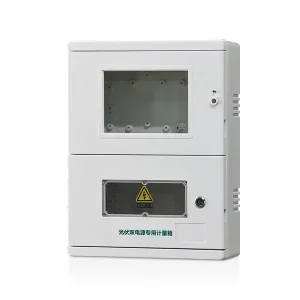
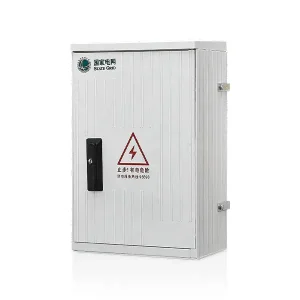
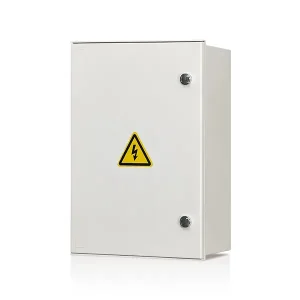
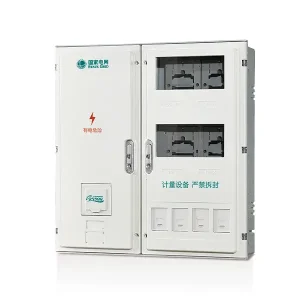
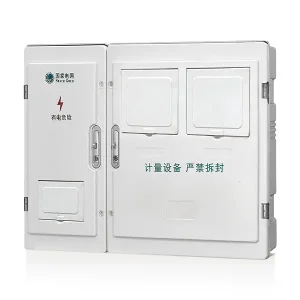
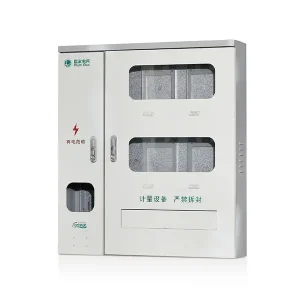
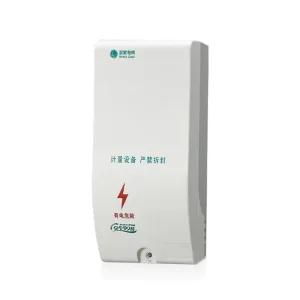
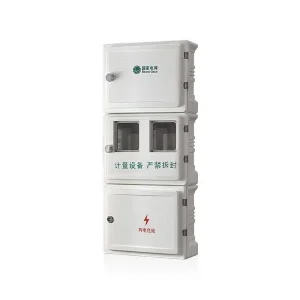
Integrated Metering, Branching & Photovoltaic Vault Equipment
Complete your infrastructure project with utility-grade, factory-direct electrical enclosures from our Yueqing manufacturing hub.
Partner with China's Premier Rectangle Access & Enclosure Manufacturer
From custom tooling CAD design to high-volume EN 124 batch testing and worldwide container logistics, Zhejiang Teyi Electric delivers engineered durability directly from Yueqing to your job site.