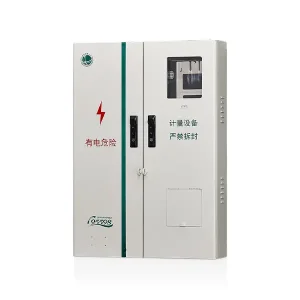
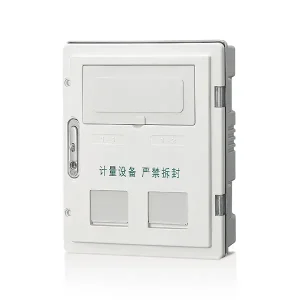
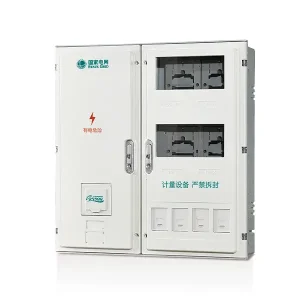
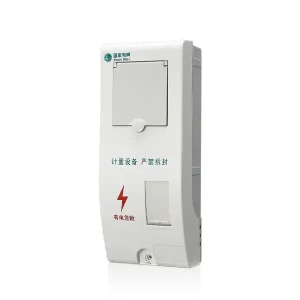
High-Performance Residential & Distribution Enclosures
Factory-direct single-phase, three-phase, and branch distribution enclosures compression-molded from SMC composite and fabricated from high-grade stainless steel for global utilities.
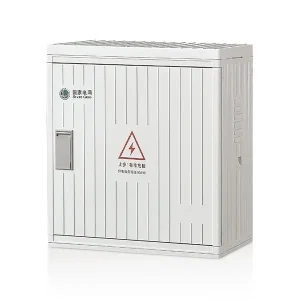
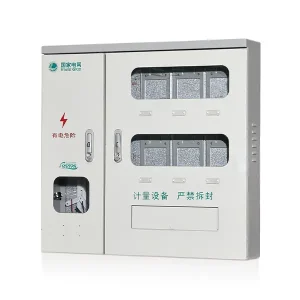
Global Procurement Demands for Residential Metering Systems
International utilities, EPC contractors, and distribution network operators face escalating operational challenges ranging from non-technical energy losses (theft) to severe atmospheric degradation.
Anti-Tampering & Revenue Protection
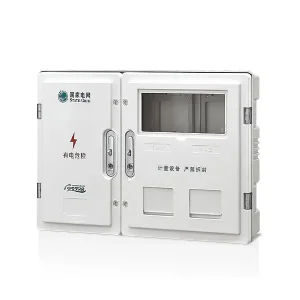
Non-technical losses cost global energy operators over $96 billion annually. Modern residential home meter enclosures incorporate integrated labyrinthine sealing seams, security padlock catches, optical tamper-detection switches, and isolated split-compartment topologies that physically separate the incoming utility breaker line from consumer access switches.
Lifecycle TCO Optimization
Traditional deep-drawn carbon steel meter boxes demand periodic recoating and suffer corrosion failures within 5 to 7 years in tropical or marine belts. Tier-1 procurement engineers prioritize Sheet Molding Compound (SMC) enclosures with 30-to-40-year documented design lives, completely eliminating recurring maintenance capital expenditure.
Electrification Surge Capacity
The global surge in EV home chargers (7 kW to 22 kW) and residential rooftop solar inverters necessitates home meter boxes with higher busbar ampacity (from 63A to 125A/250A) and transient short-time withstand capabilities tested up to 30 kA, safeguarding against distributed energy back-feeds.
Climatic Resilience & Ingress
Grid tenders across the Gulf Cooperation Council (GCC), Latin America, and Sub-Saharan Africa require continuous performance under direct UV radiation, ambient temperatures scaling from -25°C to +50°C, and ingress resistance up to IP65/IP66 to prevent internal condensation and sand-dust penetration.
Macro Industry Solutions for Modern Power Grids
How our specialized meter enclosure platforms solve critical power distribution challenges across multi-tenant civil infrastructure, renewable microgrids, and heavy industrial facilities.
High-Density Multi-Family Residential
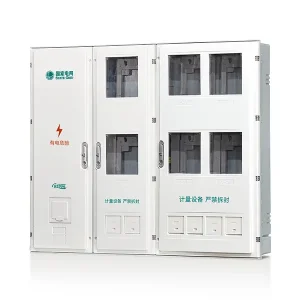
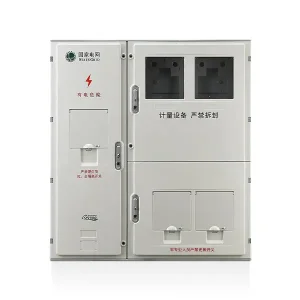
For modern urban residential towers and apartment clusters, our TY-SXD2 series provides modular multi-position metering (from 2 up to 12 meters per centralized cabinet). Utilizing separated wiring troughs, busbar trunking, and independent consumer switch windows, installers reduce vertical riser space requirements by 42% while providing local fire-retardant safety matching UL94-V0 compliance.
Distributed Solar PV & Storage Hubs
Modern prosumer homes feed solar energy back into regional grids. Our bidirectional metering enclosures and photovoltaic grid-connection boxes incorporate dedicated lightning surge protection (Type II SPD), isolation disconnectors, and secondary CT meter accommodation, enabling real-time telemetry between net meters, solar inverters, and utility control centers.
Severe Coastal & Saline Environments
Offshore winds and high-salinity island installations quickly degrade conventional metal switchgear. Zhejiang Teyi Electric utilizes unsaturated polyester resin reinforced with continuous structural glass fibers, hot-press molded at 150°C and 12 MPa. The completely inert, dielectric outer envelope resists salt-fog corrosion without blistering, chalking, or conducting dangerous leakage currents.
Material Engineering Comparison: Selecting the Optimal Enclosure
A comprehensive technical evaluation for distribution network planners comparing SMC fiberglass, stainless steel, and commodity thermoplastics.
| Evaluation Parameter | SMC Fiberglass Composite (GRP) | Stainless Steel (AISI 304 / 316) | Standard Polycarbonate / ABS |
|---|---|---|---|
| Dielectric Safety & Grounding | Total Insulation (Class II) - No chassis earthing needed; zero electric shock hazard | Conductive metal; mandatory safety ground wire; hazardous upon insulation puncture | Insulating; risk of micro-fissuring and pinhole carbon tracking under high voltage |
| Mechanical Rigidity (IK Rating) | IK10 (20 Joules Impact); high dimensional stability, zero permanent denting | IK10; high impact tolerance but prone to surface denting and paint scratching | IK07 - IK08; brittle under low temperatures (-15°C) and prone to shattering |
| Corrosion & Chemical Resistance | Unaffected by acid rain, coastal salt fog, ammonia, SO₂, or motor fuels | Exceptional in 316 grade; standard 304 susceptible to pitting in heavy chloride zones | Susceptible to hydrocarbon stress cracking, organic solvent erosion, and acid degradation |
| UV Degradation Resistance | UV-stabilized resin formulation prevents deep yellowing, micro-cracking, or chalking | Completely unaffected by UV exposure | Substantial yellowing, thermal brittleness, and loss of impact strength over 3-5 years |
| Flammability & Glow Wire | UL94-V0 Self-Extinguishing; Glow Wire test up to 960°C without flaming drips | Non-combustible; high melting point, but transfers internal thermal heat quickly | UL94-V2 or HB; generates toxic fumes and molten droplets during electrical flashover |
| Expected Service Longevity | 40+ Years Indoor / 30+ Years Outdoor verified under extreme field cycles | 25 - 40 Years (dependent on ambient salinity and cleaning maintenance) | 8 - 12 Years before environmental stress embrittlement causes seal failure |
Technical Roadmap: Smart Grid Fusion & AMI Architecture
Bridging the gap between passive physical enclosures and edge-computing smart grid distribution nodes.
RF & Cellular Transparent Materials
As utilities roll out Advanced Metering Infrastructure (AMI) utilizing NB-IoT, LoRaWAN, Zigbee, and 4G/5G Cat-M cellular smart meters, traditional steel boxes act as Faraday cages that block signals. SMC composite enclosures offer non-shielding electromagnetic transmission properties, allowing internal telemetry antennas to communicate with utility central gateways without external mast penetrations.
TTU Edge Computing Integration
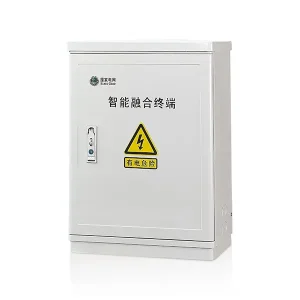
Our product lineup features the advanced TY-TTU Intelligent Fusion Terminal Box, engineered to fuse low-voltage distribution monitoring, power quality analysis, transformer load balancing, and fault location into a singular ruggedized cabinet. Edge computing inside the distribution box permits automated feeder sectionalizing and predictive fault diagnosis.
Dynamic Thermal Labyrinth Ventilation
Next-generation smart meter electronics generate internal heat that must be dissipated without compromising IP54/IP65 ratings. Zhejiang Teyi Electric has engineered patented internal labyrinthine ventilation slots that use natural thermodynamic convection to decrease internal box temperatures by up to 8.5°C while blocking horizontal driven rain and insect colonization.
The Yueqing Electrical Advantage & Global Compliance Rigor
Direct factory access in the world's dense electrical epicenter delivers unmatched component synergy, rapid prototyping, and international certification.
Integrated Molding Capacity
Situated in the Yueqing Economic Development Zone, our automated SMC compression facilities run multi-ton hydraulic presses operating around the clock, producing over 150,000 units monthly with micron-level repeatability and uniform wall thicknesses.
Certified Compliance
All residential and commercial enclosures are engineered strictly to IEC 62208 (empty enclosures for low-voltage switchgear), IEC 60529 (IP degrees of protection), IEC 62262 (IK impact resistance), and relevant utility grid tender codes worldwide.
Agile OEM/ODM Prototyping
Our localized supply ecosystem allows rapid tooling modifications for customized cable knockout entries, specialized meter display windows, internal DIN-rail configurations, laser logo engraving, and private label utility branding.
Comprehensive QC Testing
Incoming unsaturated polyester resins and glass roving undergo strict thermal and tensile batch inspections. Finished meter boxes are verified through high-voltage flashover dielectric tests, water deluge chambers, and drop impact tests prior to palletizing.
Frequently Asked Questions for Global Procurement Teams
Detailed technical clarifications on materials, specifications, customization, international shipping, and tender compliance.
What is the primary material difference between SMC and standard PC/ABS meter boxes?
Sheet Molding Compound (SMC) is a thermosetting composite comprising unsaturated polyester resin reinforced with chopped glass fibers (typically 25%-30% fiber mass). Unlike thermoplastics (such as polycarbonate or ABS), SMC undergoes irreversible chemical cross-linking under heat and high pressure. This means it will not melt, sag, soften at elevated temperatures, or become brittle under freezing conditions. SMC exhibits vastly superior tensile strength, rigid impact resistance (IK10), and complete immunity to chemical solvents and UV radiation.
How does the enclosure design eliminate non-technical power theft?
Our meter boxes utilize anti-tampering architecture consisting of three primary lines of defense: First, a split-compartment internal layout where incoming mains, CT transformers, and service fuses reside behind a locked utility seal door inaccessible to consumers. Second, hidden internal hinges and tamper-evident screw bosses that prevent external pry attacks. Third, the capability to integrate digital microswitches that trigger an immediate tamper alarm signal to the central utility AMI management system whenever the door is opened.
Can you provide customized meter layout drillings and internal DIN-rail sizing?
Yes. As a direct China manufacturer with our own mold design, CNC fabrication workshops, and injection/compression tooling lines, we customize meter mounting configurations (BS standard footprint, DIN-rail 35mm clip, or ANSI C12.10 socket types). We also offer customized cable entries equipped with PG/metric brass glands, rubber membrane step-glands, or pre-punched knockouts according to your utility's specific single-line electrical diagrams.
What rated short-circuit withstand levels can the three-phase meter boxes handle?
Our heavy-duty three-phase units, including the TY-SXS series, are certified for busbar currents ranging from 10 A up to 250 A and have been verified in high-voltage testing laboratories to withstand prospective peak short-circuit currents up to 30 kA for 1 second. High-grade insulating DMC/SMC support brackets prevent busbar deformation or flashover arc propagation under catastrophic downstream faults.
What is the expected operating lifespan in desert and tropical climates?
The TY-SXD and TY-SXS series feature a verified engineering design lifespan exceeding 40 years for indoor installations and 30 years under continuous harsh outdoor conditions. In continuous hot and arid desert environments (e.g., Middle East ambient temperatures exceeding +48°C with severe sand abrasion) or tropical high-humidity zones (e.g., Southeast Asia, West Africa with 100% relative humidity), SMC composite retains over 85% of its original flexural and dielectric strength throughout its operational lifetime.
Do you support tender-specific testing documentation and third-party laboratory reports?
Yes. We frequently supply complete documentation packs for tender qualification, including type-test reports from accredited international third-party testing bodies (such as KEMA, SGS, Intertek, or national electrical laboratories). Certified tests include IP65/IP66 ingress protection, IK10 mechanical impact, UL94-V0 flammability, 960°C glow wire flammability index (GWFI), dielectric breakdown strength (≥12 kV/mm), and salt spray corrosion tests (1000+ hours).
How are the products packaged for long-distance ocean shipping?
Export orders are individually wrapped in heavy-gauge polyethylene bags, cushioned with expanded corner protectors, and packed into 5-ply corrugated export cartons. For full container loads (FCL) or less-than-container loads (LCL), cartons are palletized onto heat-treated, fumigated ISPM-15 compliant wooden or polymer pallets, tightly stretch-wrapped, and strapped with heavy PET bands to guarantee zero shock or moisture damage during ocean transit.
What is the minimum order quantity (MOQ) and sample lead time for evaluation?
For standard catalog configurations (such as TY-SXD1 or TY-SXD2 single/multi-position boxes), the standard MOQ is 50 to 100 units. For fully customized OEM tooling or custom color batches (e.g., utility custom grey, cream, or olive drab), MOQ varies from 200 to 500 units depending on mold parameters. Standard functional samples can be dispatched via air express within 3 to 5 business days for engineering verification.
Can your factory produce combined breaker, meter, and cable branching units?
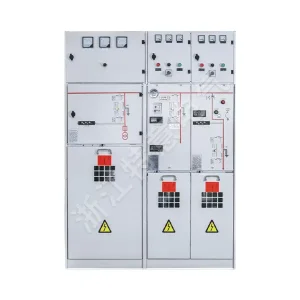
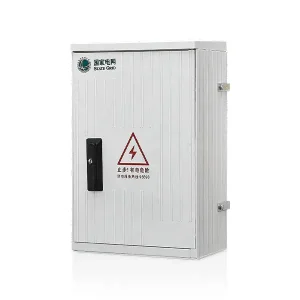
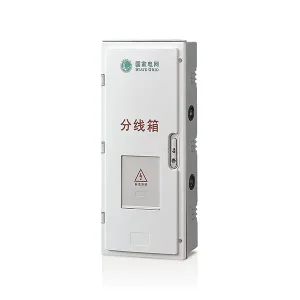
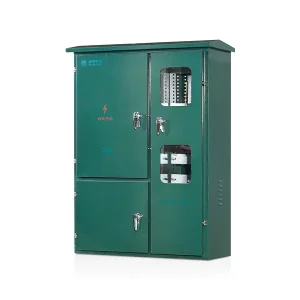
Yes. In addition to standalone meter enclosures, Zhejiang Teyi Electric manufactures integrated low-voltage distribution platforms, including cable branch boxes (TY-DFW series), transformer terminal units (TY-TTU), and outdoor JP integrated distribution cabinets. This provides a unified electrical topology across secondary distribution networks.
Why is Yueqing, Zhejiang the preferred manufacturing base for meter boxes?
Yueqing is globally renowned as the "Electrical Capital of China." Sourcing your meter boxes directly from our Yueqing factory provides immediate integration with thousands of specialized component producers—including miniature circuit breakers (MCBs), molded case circuit breakers (MCCBs), terminal busbars, copper cable lugs, and smart meters. This unique industrial density drastically slashes lead times, minimizes transportation overhead, and guarantees competitive factory pricing.
Industrial Metering Cabinets & Distribution Equipment
Explore our complete catalog of hanging, transformer-type, multi-phase metering enclosures, ring main units, and heavy-duty branch boxes engineered for utility reliability.