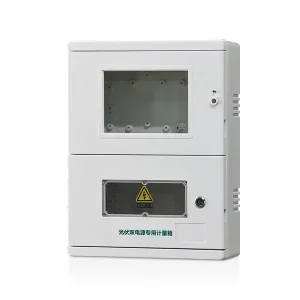
Precision-Engineered Metering Enclosures & Power Hardware
Direct factory configurations certified to IEC 62208, IEC 60529, and international utility anti-tamper standards for extreme outdoor deployment.
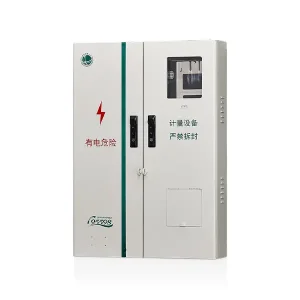
China Stainless Steel Three-Phase Electric Energy Metering Box Suppliers - Hanging Type Factory Solutions
View Technical Spec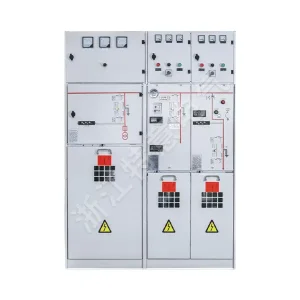
China Ring Main Unit Factories, Factory Engineering & Medium-Voltage Distribution
View Technical Spec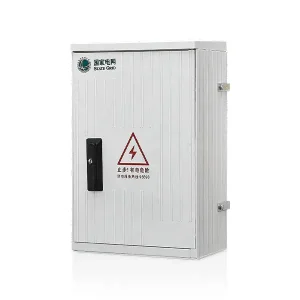
High-Quality TY-DFW Wall-Mounted Cable Branch Box - Durable Outdoor Enclosure Solutions
View Technical Spec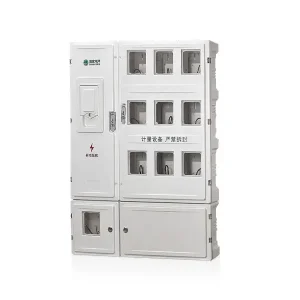
TY-SXD2 Single-Phase Electric Energy Metering Box with High Dielectric Insulation Performance
View Technical Spec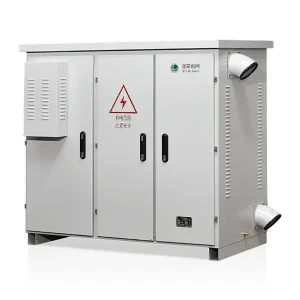
Wholesale Stainless Steel JP Integrated Distribution Cabinet Enclosure Solutions
View Technical Spec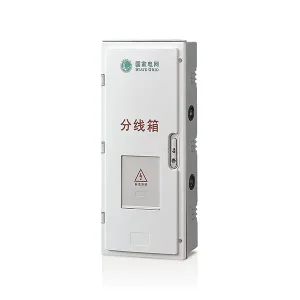
China TY-FXX Heavy-Duty Weatherproof Junction Box Manufacturer & Factory
View Technical Spec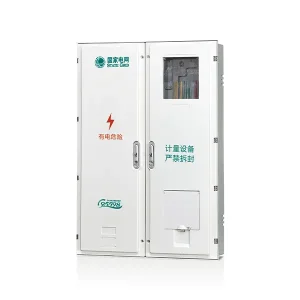
Three-Phase Electric Energy Metering Box (Current Transformer Type) - Outdoor Industrial Grade
View Technical Spec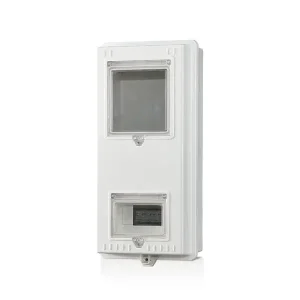
Wholesale China SMC Fiberglass Foreign Trade Box for Single & Three-Phase Grid Deployment
View Technical SpecStrategic Advantages of Sourcing Exterior Meter Boxes from China
The Yangtze River Delta electrical cluster—spearheaded by Yueqing, Wenzhou—supplies over 60% of the world's low-voltage power distribution hardware. Sourcing directly from certified tier-1 factories creates decisive structural benefits.
Yueqing Supply Chain Density
Within a 15-kilometer radius, Chinese manufacturers access raw SMC sheet compounding, copper busbars, flame-retardant polycarbonate windows, circuit breakers, and sealing elastomers, eliminating inter-provincial freight lags and cutting tooling cycles by 45%.
Automated Compression Molding
Equipped with multi-cavity hydraulic presses (from 630 to 2000 metric tons) operating at computer-monitored curing temperatures (145°C–155°C), Chinese factories ensure consistent wall thickness, high resin-to-glass uniformity, and zero micro-void delamination.
Rigorous Factory Acceptance (FAT)
Modern testing rigs execute full-type verification on-site: IP65/IP66 high-pressure water ingress, IK10 Charpy drop impact tests, glow-wire testing at 960°C (IEC 60695-2-11), and 1000-hour cyclic neutral salt-spray exposure for critical metallic hinges and latches.
Engineering Architecture: SMC Composites vs. Stainless Steel
Specifying an exterior electric meter cabinet requires evaluating thermal dissipation, electrical isolation, UV weathering, and protection against deliberate mechanical tampering.
| Evaluation Parameter | SMC Composite (GRP/FRP) | SUS304 / SUS316 Stainless Steel | Cold-Rolled Carbon Steel (Powder Coated) | Engineering Polycarbonate (PC/ABS) |
|---|---|---|---|---|
| Dielectric Strength | High Insulation (>15 kV/mm), Class II Double Insulated | Conductive; Mandatory Protective Earth (PE) Bonding | Conductive; High Shock Risk on Insulation Breakdown | High Dielectric (>18 kV/mm), Class II Double Insulated |
| Outdoor Service Life | 30 to 40+ Years (Hydrophobic & UV Stable) | 25 to 35 Years (High Corrosion Resistance) | 5 to 10 Years (Vulnerable to Under-Film Rust) | 10 to 15 Years (Susceptible to Solar Yellowing) |
| Impact Resistance | IK10 (20 Joules) Elastic Absorption | IK10+ (High Plastic Deformation Resistance) | IK09 (Prone to Denting and Paint Chipping) | IK08 (Risk of Low-Temperature Micro-Cracking) |
| Corrosion & Acid Resistance | Immune to Salt Fog, SO2, Dilute Acids, Ammonia | Exceptional (SUS316 Ideal for Offshore Marine) | Poor; Rapid Degradation upon Coating Scratches | Moderate; Degrades Under Organic Solvents |
| Anti-Tamper & RF Shielding | RF Transparent: Ideal for AMI Smart Cellular/LoRa Meters | Faraday Shield: Needs External Antenna Relocation | Faraday Shield: Blocks Wireless Data Transmissions | RF Transparent: High Visibility Window Construction |
Emerging Global Trends in Exterior Meter Enclosure Design
Exterior metering systems are transforming from passive junction shells into smart grid edge nodes integrating advanced bi-directional communication, renewable microgrid tie-ins, and active anti-theft sensors.
AMI & IoT Antenna Integration
Global utility deployments of Advanced Metering Infrastructure (AMI) demand non-metallic, low-attenuation SMC enclosures that preserve NB-IoT, 4G LTE-M, Zigbee, and LoRa signal strength without requiring external antenna punch-outs that compromise IP ingress integrity.
Active Anti-Theft & Tamper Protection
Non-revenue water and electricity loss remains a billion-dollar utility challenge. Modern boxes combine double-chamber compartmentalization (isolated utility meter vs. consumer circuit breakers), proprietary penta-head security bolts, and smart microswitch reed relays that log intrusion events.
Solar Photovoltaic Grid-Tie Readiness
With distributed rooftop solar surging, meter boxes feature dedicated DIN-rail space for bi-directional net energy meters, DC isolator switches, Type 2 Surge Protective Devices (SPDs), and rapid shutdown communication controllers to safeguard utility line workers during outages.
Decarbonization & Circular Polymers
Leading Chinese factories are reducing composite environmental footprints by formulating halogen-free resin matrices, integrating bio-based polyester components, and optimizing mold geometries to minimize scrap, aligning with EU RoHS and REACH mandates.
Engineered for Extreme Climates & Local Conditions
A single generic enclosure cannot survive disparate global microclimates. Tier-1 manufacturers formulate tailored resin bases, structural ribs, and gasket polymers to survive site-specific stress vectors.
Coastal & Offshore High-Salinity Zones
In Southeast Asia, the Caribbean, and coastal Africa, salt mist corrodes conventional metal enclosures within 36 months. SMC fiberglass composites with integrated 316 stainless steel hinges resist galvanic and electrolytic degradation across decades of sea-air exposure.
Arid Middle East High-UV & Thermal Desert
Ambient temperatures reaching +50°C paired with direct UV radiation cause thermal buckling in low-grade plastics. UV-stabilized SMC resins with high Heat Deflection Temperatures (HDT >200°C) and labyrinthine natural ventilation baffles prevent interior condensation while maintaining IP54/IP65 ratings.
Sub-Zero Alpine & Continental Freezing
In Northern Europe, Canada, and Central Asia, freeze-thaw cycles cause micro-fissures in standard composites. Formulations featuring high-elongation silane-treated glass roving maintain full Charpy impact elasticity down to -40°C without brittle failure.
Dense Urban High-Rise Multi-Metering
Metropolitan electrical shafts and exterior apartment perimeter walls require multi-position consolidation (4-way to 12-way vertical meter assemblies). Integrated busbar chambers streamline incoming utility mains and isolate tenant output breakers for orderly installation.
Petrochemical & Industrial Processing
Corrosive industrial environments containing hydrogen sulfide, chemical fumes, and airborne particulates require SUS304/SUS316 stainless steel enclosures with continuous automated polyurethane robot-dispensed foam gaskets (FIPG) ensuring permanent IP66 integrity.
Turnkey Solutions for National Power Authorities
Supplying state utilities and international EPC contractors requires compliance with rigid tender documentation, standardized electrical clearances, and third-party certified safety envelopes.
IEC 62208 & IEC 61439 Type Testing
Every batch produced adheres to low-voltage switchgear and controlgear assembly benchmarks: short-circuit withstand capabilities rated up to 30 kA, temperature rise tests under total internal load, and strict creepage distances exceeding 12 mm across all live busbar phases.
UL 94-V0 Fire Retardancy Guarantee
Using non-halogenated aluminum trihydrate (ATH) flame-retardant fillers, enclosures achieve immediate self-extinguishing status within 10 seconds of source flame removal, emitting non-toxic, non-corrosive water vapor that protects interior metering instrumentation and surrounding structures.
Total Cost of Ownership (TCO) Optimization
While standard metal enclosures incur high repainting, rust-removal, and earthing-inspection labor costs across their operational lifespan, maintenance-free SMC composite cabinets lower total 30-year lifecycle operating expenses by up to 68% for grid operators.
OEM/ODM Engineering Capabilities for Global Importers
From clean-sheet conceptual CAD rendering to rapid steel tooling and containerized logistics, partner directly with factory engineers to build private-label utility-grade meter boxes.
Custom Tooling & Mold Flow Analysis
Factory in-house CNC toolshops deliver P20 and 718H hardened steel compression molds within 30 to 45 days. Advanced mold flow thermal simulations prevent internal stress lines, air traps, and uneven shrinkage across complex multi-cavity geometries.
Precision Component Pre-Assembly
Save substantial on-site labor overhead by utilizing Chinese factory sub-assembly services: factory-installed neutral/earth copper busbars, DIN rails, polycarbonate viewing windows, rubber cable glands, and customized laser-etched laser QR/utility asset serial barcodes.
Palletized Sea-Freight Optimization
Export packaging features heavy-duty nested honeycomb master cartons, moisture-proof poly wrapping, and corner edge protectors designed to maximize 40ft High Cube (HQ) container cubing capacity, lowering per-unit ocean freight charges across trans-oceanic routes.
Tender Spec Reverse Engineering
Furnish our engineering department with your utility tender schedule (e.g., BS 7657, ANSI C12, SEC, DEWA, SONELGAZ, or Eskom specifications). Our bilingual application engineers provide complete compliance cross-reference tables and certified type-test documentation.
Frequently Asked Questions: Utility Meter Enclosures
Authoritative answers on material performance, certifications, tooling timelines, and environmental resilience from our senior product application engineers.
What makes SMC composite enclosures superior to traditional galvanized steel for outdoor utility metering?
Sheet Molding Compound (SMC) is an unsaturated polyester composite reinforced with chopped glass fibers (typically 25%-30% content). Unlike steel, SMC is an electrical insulator (Class II protection), eliminating shock hazards caused by loose internal cables touching the outer shell. It never rusts, resists chemical attack, absorbs physical impacts without denting, and allows wireless smart meter signals to pass freely.
How do Chinese meter box factories verify IP65 / IP66 ingress protection ratings?
Factory type testing adheres strictly to IEC 60529. First, an automated vacuum chamber evaluates dust ingress (Talcom powder test, category 1 enclosure). Next, high-pressure water jets (100 kPa at 12.5 liters/min for IP65; 100 kPa at 100 liters/min for IP66) target all door seams, lock cylinders, and cable gland penetrations for a minimum of 3 minutes. Zero water penetration must occur on internal live conductors.
Can SMC exterior meter boxes withstand continuous solar UV exposure without yellowing or degradation?
Yes. Automotive and utility-grade SMC formulations blend hindered amine light stabilizers (HALS), benzotriazole UV absorbers, and titanium dioxide pigments directly into the liquid resin matrix prior to molding. Accelerated weathering tests (ISO 4892-2 xenon-arc lamp exposure for 1000+ hours) demonstrate color retention (Delta E < 3.0) with no surface chalking or loss of mechanical tensile strength.
What is the typical lead time for custom mold fabrication and prototype sampling?
From final approval of 3D CAD step files, mold fabrication in our dedicated CNC tooling facility takes 30 to 45 business days depending on mold complexity and slider mechanisms. Initial T1 prototype samples are pressed, measured via CMM (Coordinate Measuring Machine) for dimensional tolerance, and air-freighted to clients for mechanical validation prior to mass production clearance.
How do these enclosures prevent unauthorized power tapping and commercial electricity theft?
Our exterior enclosures feature multiple tamper-evident security layers: internal hidden hinges inaccessible from the exterior, dedicated utility seal lugs for wire/padlock crimping, custom triangular or penta-head security drive bolts, and distinct internal partitions separating the main metering chamber from consumer-accessible MCB switches.
What are the critical electrical clearance and short-circuit ratings for three-phase models?
Three-phase models (such as our TY-SXS and CT-operated series) are engineered for main busbar nominal ratings from 10 A to 250 A, with rated insulation voltages up to 690 V / 1000 V AC. Busbar arrangements are supported by glass-reinforced DMC insulators rated for short-time withstand currents (Icw) of up to 30 kA for 1 second, guaranteeing physical containment during severe line faults.
Specialized Metering & Power Distribution Hardware
Explore our full line of stainless steel, multi-tariff, and single-phase transformer-type distribution boxes engineered for global electrical grids.
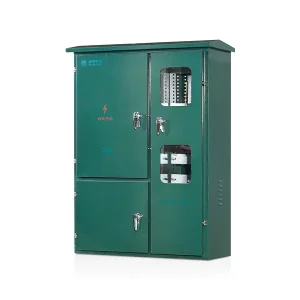
Stainless Steel Three-Phase Two-Position Metering Box (Ground-Standing Transformer Type)
View Technical Spec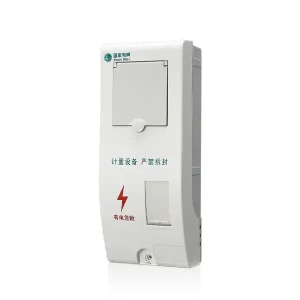
TY-SXD1 Single-Phase Electric Energy Metering Box - Factory-Direct Precision Measurement
View Technical Spec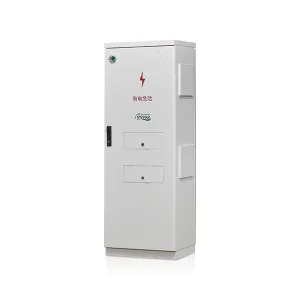
Stainless Steel Single Phase Twelve-Position Meter Enclosure Cabinet - Centralized Residential
View Technical Spec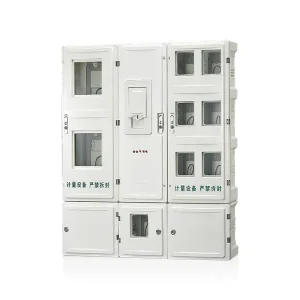
Three-Phase Two-Position & Single-Phase Six-Position Hybrid Electric Metering Box
View Technical Spec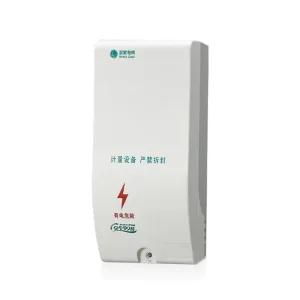
Single-Phase One-Position Distribution Box TY-SXD1-FX - Compact Outdoor Service Entrance
View Technical Spec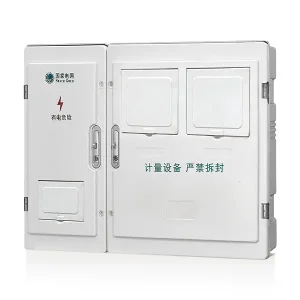
TY-SXS2-DXJ Low Voltage Three-Phase Electric Energy Metering Box - Utility Grade Factory Supply
View Technical Spec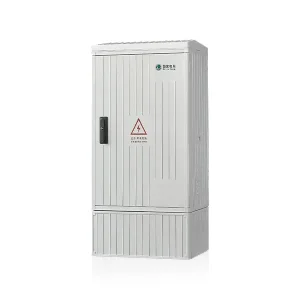
TY-DFW Heavy-Duty Floor-Standing Cable Branch Box Enclosure Solutions
View Technical Spec