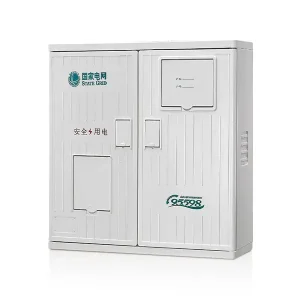
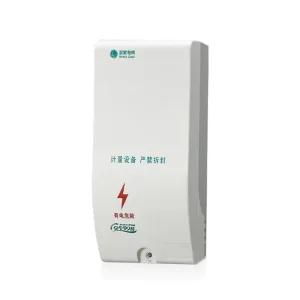
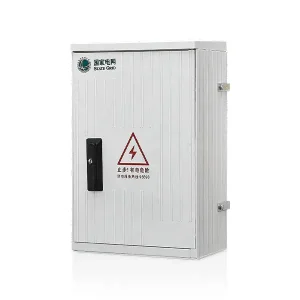
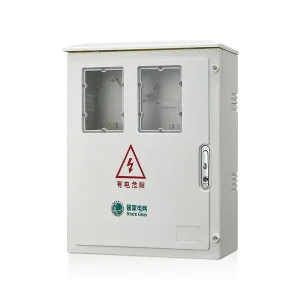
Engineered Electric Meter External Box Series
Precision compression-molded SMC composites and laser-welded stainless steel enclosures engineered to exceed IEC 61439, IEC 60529, and global utility bidding requirements.
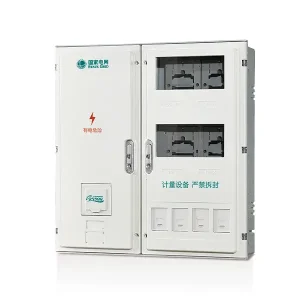
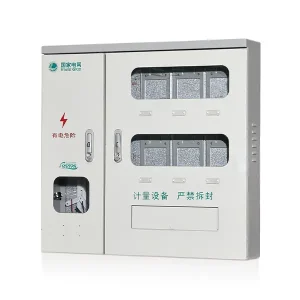
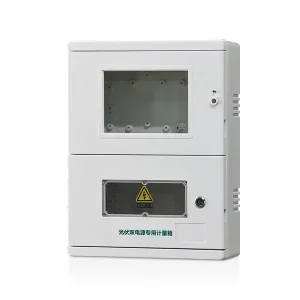
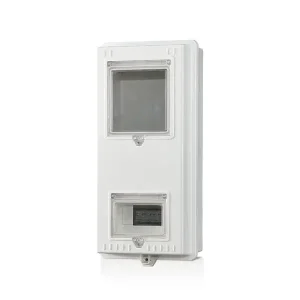
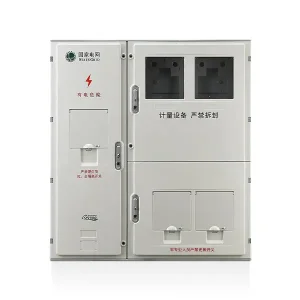
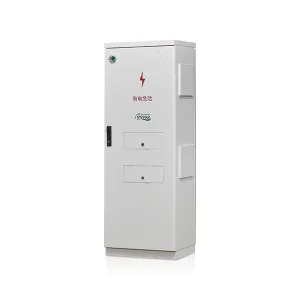
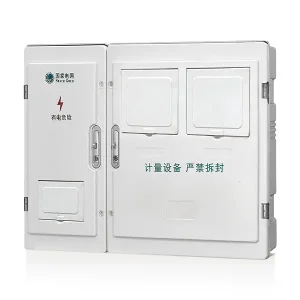
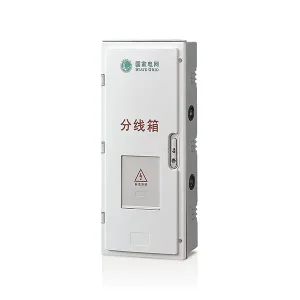
Technological Trajectories in Metering Enclosure Engineering
As power grids migrate from legacy electromechanical architectures to smart, bidirectional Advance Metering Infrastructure (AMI), the physical metering enclosure has transformed into a mission-critical edge defense terminal.
SMC Composite Hegemony
Sheet Molding Compound (SMC) has displaced galvanized steel worldwide due to zero corrosion, superior dielectric isolation, class-leading tensile strength, and zero necessity for secondary earthing maintenance.
Revenue Integrity & Anti-Tamper
Equipped with dual-layer mechanical locking, labyrinthine sealing, internal sensor provisions, and optical tamper triggers to permanently eradicate non-technical energy losses across modern municipal grids.
Extreme Environmental Hardening
Engineered for continuous field deployment across temperatures of -25°C to +50°C, sustaining up to 100% relative humidity, high-salinity maritime sprays, heavy ultraviolet degradation, and severe sandstorms.
Smart IoT & AMI Convergence
Non-metallic composite architectures allow transparent penetration of cellular (NB-IoT, 4G/5G Cat-M1) and RF Mesh wireless telemetry without installing external signal loss aerials on outdoor enclosures.
Engineering Matrix: SMC Composite vs. Stainless Steel vs. Thermoplastics
Selecting an outdoor meter enclosure material dictates 30-year operational expenditure (OPEX), public electrical safety, non-technical losses, and asset return on investment.
| Evaluation Parameter | SMC Fiberglass Composite (GRP) | Stainless Steel (304 / 316) | Engineering Plastics (PC / ABS) |
|---|---|---|---|
| Dielectric Strength & Insulation | Class II Complete Double Insulation (>20 kV/mm); zero risk of accidental enclosure electrification. | Conductive; mandates strict grounding busbars and regular copper earthing loop audits. | Excellent initial insulation; prone to dielectric breakdown if micro-fractured. |
| Atmospheric & Chemical Corrosion | Immune to salts, acids, alkalis; tested to 1000h+ Neutral Salt Spray (ISO 9227) without deterioration. | Grade 304 resists clean moisture; Grade 316 required in saline/marine zones to stop pitting. | Susceptible to chemical solvent crazing, acid rain stress-cracking, and plasticizer migration. |
| Solar Radiation & UV Degradation | Infused with halogen-free UV inhibitors; retains mechanical modulus after 20 years continuous outdoor UV exposure. | Unaffected by UV radiation; however, heat absorption significantly escalates internal chamber temperatures. | Accelerated yellowing, loss of tensile elongation, and brittleness within 5–8 years in tropics. |
| Impact Resistance (Mechanical Toughness) | IK10 (20 Joules); multidirectional roving glass-fibers absorb mechanical shock without structural fracture. | IK10+; high mechanical rigidity, but dents and deformations compromise IP weather sealing gaskets. | IK08–IK09; susceptible to shattering during cold climates or deliberate vandalism. |
| Thermal Conductivity & Condensation | Low thermal conductivity (0.3 W/m·K); inhibits rapid internal dew-point shifts and internal moisture condensation. | High thermal conductivity (16–20 W/m·K); produces severe internal condensation cycles during diurnal temperature shifts. | Moderate thermal insulation; requires auxiliary breathable membrane vents. |
| Flame Retardancy & Heat Deflection | UL 94 V-0 Self-extinguishing; Glow Wire Flammability Index (GWFI) 960°C; zero toxic drop emission. | Non-combustible (Euroclass A1); retains integrity up to melting point. | UL 94 V-1 or V-2; prone to melting, secondary flame propagation, and hazardous dripping. |
Macro Solutions Across Core Infrastructure Verticals
Tailored enclosure architectures developed for modern distributed generation, dense commercial towers, heavy process manufacturing, and transit corridors.
Solar Photovoltaic Grid-Tie
Custom SMC solar combiner and metering boxes engineered for bidirectional power measurement. Integrated with Class II DC disconnect switches, Type 1+2 surge arresters (SPDs), and isolated chambers for microinverter feeds, resisting continuous UV irradiation.
Petrochemical & Maritime Zones
Specialized marine-grade 316 stainless steel and anti-static SMC enclosures. Resistant to caustic vapors, hydrogen sulfide, ambient coastal saltwater mist, and hydrocarbon spatter, ensuring explosive-safe electrical separation and zero body corrosion.
Multi-Family Residential Towers
High-density multi-position meter arrays (2-way up to 12-way floor standing or wall-mounted). Features segmented isolation partitions between incoming main breakers, utility metering bays, and tenant distribution compartments with individual sealing tabs.
Rail Transit & Microgrids
Rugged trackside and subterranean cable distribution and sub-metering points. Designed to endure harmonic vibrations, electromagnetic interference (EMI), moisture condensation, and transient overvoltages up to 30 kA short-time withstand capacity.
Global Procurement Standards & Factory Compliance
International utilities, turnkey EPCs, and electrical distributors depend on verifiable testing regimes, stringent quality control protocols, and rapid OEM/ODM design adaptations.
International Testing & Certifications
Every meter box variant is designed and verified in accordance with IEC 61439-1/-2 (Low-voltage switchgear and controlgear assemblies), IEC 60529 (Degrees of protection provided by enclosures), IEC 62262 (IK code for external mechanical impacts), and UL 94 V-0 flammability certifications. Complete Type Test certificates from third-party laboratories are provided for tender qualification.
OEM / ODM Rapid Engineering Turnaround
Equipped with in-house CAD/CAM tooling facilities and heavy-tonnage hydraulic compression presses ranging from 300 to 2000 tons. Custom mold creation, viewing window dimensions, knockouts, terminal layouts, customized locking arrangements, utility logo engraving, and color variations (RAL 7035, Pebble Gray, etc.) are prototyped within 14 business days.
Factory Acceptance Testing (FAT/SAT)
Our quality management enforces 100% closed-loop inspection covering wall thickness uniformity, resin-to-glass fiber stoichiometry, high-voltage flashover dielectric tests, continuous water immersion ingress verification, and mechanical hinge torsion tests. Comprehensive container loading inspections safeguard goods across multimodal overseas transit.
Technology Roadmap: 2026–2035 Architecture
Anticipating grid decentralization, carbon border adjustments, and distributed intelligence at the edge of the low-voltage network.
Edge Telemetry & Micro-Sensors
Embedded MEMS temperature sensors at busbar terminations, optical fiber intrusion indicators, and autonomous water-ingress humidity monitoring with BLE low-power interrogation.
Recyclable Circular Composites
Adoption of bio-based resins and thermally depolymerizable fiberglass cross-linkers, achieving 95% circular material recovery upon end-of-life decommission without thermal downcycling.
Integrated V2G Sub-Metering
Standardized physical chassis configurations designed for bidirectional Vehicle-to-Grid (V2G) DC wallbox interfaces, dynamic phase balancing, and micro-tariff metering modules.
Self-Healing Smart Enclosures
Micro-encapsulated polymeric repair agents that automatically seal external hairline stress fissures caused by mechanical projectile impacts, extending field life beyond half a century.
Engineering & Procurement FAQ for Utility Buyers
Detailed technical clarifications addressing tender compliance, material performance, custom tooling, and supply chain logistics.
Material Science Why is SMC composite preferred over polycarbonate or ABS for outdoor utility boxes?
Polycarbonate and ABS are thermoplastics that melt under elevated fault temperatures and suffer irreversible molecular embrittlement under intense tropical UV exposure. SMC is a thermoset material with high glass-fiber reinforcement. Once compression molded under heat and immense pressure, it cross-links permanently, offering superior mechanical rigidity (IK10), UL 94 V-0 flame rating, and stable 30+ year outdoor lifespans without cracking.
Safety & Earthing Do SMC fiberglass external meter boxes require grounding earthing wires?
No. SMC enclosures inherently deliver Class II double electrical insulation with zero conductive contact surfaces. This eliminates the hazard of enclosure energization caused by internal loose conductors or insulation breakdown, preventing electrical shock to the general public and saving significant copper earthing material and field installation labor costs.
Anti-Theft How do Teyi Electric external meter boxes prevent non-technical losses (electricity theft)?
Our enclosures feature a multi-tiered security defense: concealed internal hinges that cannot be extracted externally, three-point interlocked tamper-evident locking systems accommodating utility security padlocks, lead seals, and optical micro-switch trip sensors. Furthermore, fully segregated internal compartments separate the utility metering area from consumer breakers.
Weatherproofing What IP ratings are achievable and how are internal electronics protected from moisture?
Standard external boxes achieve IP54 to IP65, with specialty sealed configurations reaching IP66 per IEC 60529. Protection is achieved via automated CNC-dispensed polyurethane (PU) foaming gaskets, labyrinthine drip lips, and optional internal semi-permeable ePTFE breathable vents that balance internal atmospheric pressure while barring liquid moisture entry.
Customization Can Teyi adapt internal DIN rails, CT mountings, and meter base plate configurations?
Yes. Our OEM/ODM engineering division can customize interior backplates with pre-drilled or threaded brass inserts conforming to British Standard (BS 5685), DIN rail configurations, ANSI C12 meter sockets, or custom Current Transformer (CT) metering mounting arrangements based on client technical tender schedules.
Testing & Auditing What factory inspection and third-party validation documents are supplied?
We provide full Factory Acceptance Test (FAT) records, material certificates (raw SMC batch chemical reports), dimensional audit logs, dielectric flashover test logs, and third-party Type Test reports for temperature rise, short-circuit withstand, IP ingress, IK impact resistance, and glow-wire flammability from accredited CNAS/ILAC laboratories.
Wireless Signals Does the enclosure interfere with smart meter AMR/AMI wireless communications?
Unlike stainless steel or sheet metal enclosures which create a Faraday cage and severely degrade RF and cellular signals, SMC fiberglass composites are transparent to radio frequencies. This allows 4G/5G Cat-M1, NB-IoT, LoRaWAN, and RF mesh antennas to operate seamlessly inside the locked enclosure without drilling holes for external aerials.
Lead Times What are standard lead times for custom mold tooling and container shipments?
For custom mold designs, initial 3D prototypes are rendered in 72 hours, with steel compression tool machining completed within 20 to 35 days. Standard production batches are completed within 15 to 25 days depending on batch scale. Our proximity to Ningbo and Shanghai maritime ports guarantees streamlined global dispatch.
Specialized Metering & Distribution Assemblies
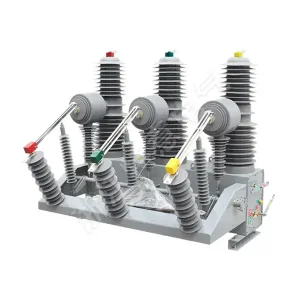
Explore our complete portfolio of three-phase transformer-type metering assemblies, cable branch terminals, and pole-mounted grid protection breakers.