
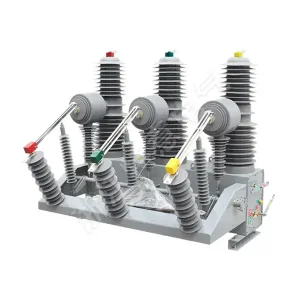
Seoul Grade Wholesale Primary and Secondary Fusion Pole-Mounted Circuit Breaker
View Specifications
Featured primary and secondary fusion switchgear, designed for the ultra-dense electrical nodes and overhead distribution lines serving the Greater Seoul and Gyeonggi industrial corridor.
Meeting the strict operational mandates of the world’s most interconnected mega-metropolis through cutting-edge switching architectures.
The Seoul Metropolitan Area, housing over 25 million people alongside hyper-dense semiconductor manufacturing facilities in nearby Suwon and Yongin, demands an unparalleled level of electrical distribution resilience. In accordance with the rigorous grid reliability index mandated by the Korea Electric Power Corporation (KEPCO), distribution feeder outages are unacceptable, necessitating the rapid deployment of primary and secondary fusion pole-mounted vacuum circuit breakers (VCBs) and automated reclosers.
While downtown Seoul boasts extensive underground transmission lines, surrounding suburban perimeters, vital transit arteries, rapid EV charging corridors, and expansive light manufacturing zones across Gyeonggi-do maintain extensive 22.9 kV multi-grounded neutral distribution networks. These overhead circuits face acute exposure to intense monsoon downpours during summer, rapid temperature shifts reaching sub-zero levels in winter, and elevated fine particulate pollution (PM 2.5/10), requiring distribution switchgear with high dielectric strength and robust sealing integrity.
Seamlessly encapsulates the primary vacuum interrupter, micro-power current transformers (LPCT), and resistive voltage dividers (LPVT) into an eco-friendly cycloaliphatic epoxy resin pole, eliminating external cable interference.
Integrated with high-speed micro-processing FTU controllers supporting DNP3.0 and IEC 61850 protocol stacks, fully compatible with KEPCO's automated dispatch platforms for instantaneous fault localization and line isolation.
Seoul’s progressive carbon neutrality targets necessitate modern distribution systems that transition away from greenhouse SF6 gases, utilizing vacuum arc extinguishing combined with pure dry-air or solid-dielectric insulation.
Targeted distribution automation architectures optimized for localized commercial, industrial, and urban microgrid implementations.
The tech industrial belts spanning southern Seoul, Pangyo Techno Valley, and Hwaseong demand absolute protection against voltage dips. Our pole-mounted circuit breakers execute high-speed reclosing cycles (O-0.3s-CO-3s-CO) within 35 milliseconds, isolating transient bird strikes or lightning surges without interrupting sensitive wafer fabrication and assembly plants.
As Seoul accelerates its green transit initiatives, mega-watt level EV charging depots and automated logistics hubs place massive harmonic burdens and cyclic load steps on overhead feeders. The integrated electronic CT/VT arrays reliably sample up to the 19th harmonic, ensuring accurate bi-directional energy metering and overcurrent trip characteristics.
With massive deployments of commercial and industrial solar installations across Seoul logistics warehouses, distribution networks frequently experience reverse power flows. Our pole-mounted breakers deliver bi-directional protection settings, anti-islanding trip commands, and sync-check functionality to eliminate out-of-phase reclosing risks.
Circuits navigating the steep, heavily vegetated mountainous ridges surrounding Seoul (Bukhansan, Gwanaksan) routinely encounter wind-blown tree limb flashovers. Our units operate robust zero-sequence directional protection algorithms, isolating sensitive single line-to-ground faults down to 1 Ampere to completely eliminate wildfire hazards.
How our localized manufacturing frameworks fulfill both IEC 62271 world-class safety baselines and KEPCO's distinct specifications.
Across the globe, power distribution is undergoing a fundamental shift: mechanical, gas-heavy apparatus are being replaced by solid-insulated, digitally-native intelligent assets. Global EPC contractors executing infrastructure projects across Southeast Asia, the Middle East, and Latin America frequently demand circuit breakers designed with high levels of reconfigurability. In the Seoul market, however, standardization is dominated by KEPCO’s strict technical codes (including ESS-C024-461, KEPCO Specification for 25.8kV Pole-Mounted Circuit Breakers).
Our manufacturing and engineering practices strictly marry both worlds: providing rugged vacuum interrupters tested in accordance with IEC 62271-100, IEC 62271-111 (IEEE C37.60), while delivering customized terminal interfaces, internal capacitive voltage pickups, and secondary wiring harnesses specifically compatible with Korean automated distribution systems (DAS/SCADA).
Rated operational voltages of 12kV, 15kV, 24kV, and up to 25.8kV. Impulse withstand levels (BIL) reach 125kV/150kV dry/wet, easily outstripping the standard safety margins required for challenging Korean climate cycles.
Every configuration is type-tested by accredited laboratories (such as KEMA, KERI-aligned test regimens) spanning short-time withstand current, temperature rise, mechanical endurance (M2 class), and capacitive current switching.
With Seoul situated near Incheon Bay, atmospheric saline mist can induce rapid external creepage breakdown. We use SUS304 or SUS316 marine-grade stainless steel housings and silicone sheds with high creepage distances (>31 mm/kV).
How our research and development pipelines anticipate the next decade of power engineering for Seoul's digital transformation.
Moving beyond basic overcurrent thresholds, our upcoming generation of FTU units incorporate micro-neural network models executing directly on edge processors, capable of detecting intermittent incipient arc faults and insulator tracking before complete line breakdown.
Harnessing South Korea’s nationwide 5G infrastructure, our wireless integration models eliminate fiber-optic lease costs while establishing sub-10ms peer-to-peer GOOSE communications between adjacent pole switches for instant feeder reconfiguration.
Embedded real-time temperature, ambient load, and infrared busbar tracking sensors feed data back to grid operators, permitting dynamic overhead line loading adjustments during intense cooling surges throughout Seoul's midsummer heatwaves.
Direct technical answers addressing engineering validation, supply chain support, and localized deployment requirements.
Conventional breakers utilize external, bulky CT/PT units interconnected with vulnerable copper cabling exposed to the elements. Primary and secondary fusion switches integrate solid-state Low-Power Current Transformers (LPCT) and Resistive Voltage Dividers (LPVT) directly inside the cycloaliphatic pole structure alongside the vacuum interrupter. This drastically reduces unit dimensions, slashes pole loading weight, prevents partial discharge issues, and achieves measurement error under 0.2% for high-accuracy energy dispatch.
Yes. Our Feeder Terminal Units (FTUs) are engineered with flexible protocol adapters supporting standard DNP3.0 (with secure authentication), Modbus RTU/TCP, and native IEC 61850-7-420. They are fully configurable to interface smoothly with existing DAS master stations, wireless optical modems, or private cellular APN links across the Seoul metropolitan grid.
Our breaker housings are fabricated from high-grade stainless steel (SUS304/SUS316) coated with a high-durability electrostatic thermoset powder finish tested to withstand 1,000+ hours of continuous salt spray (ISO 9227). The solid-dielectric poles utilize hydrophobic cycloaliphatic epoxy resin, operating effortlessly across extreme temperature profiles spanning -40°C to +70°C without mechanical degradation.
All units are designed for a 30-year operational life with an M2 class mechanical endurance of 10,000 operations without mechanical adjustment. Electrical endurance rated at full load current is 10,000 operations, and short-circuit interruption capability matches E2 class standards (up to 30 full rated fault breaking cycles). We back our installations with a standard comprehensive 3-year factory warranty, extendable to 5 years for specialized infrastructure projects.
Leveraging our fully integrated, automated manufacturing lines in Yueqing’s electrical industrial corridor, standard production cycles range from 2 to 4 weeks. Through regular sea freight routing directly into Incheon or Busan Port, door-to-door transit to Seoul job sites can be accomplished in under 5 to 7 days, providing unbeatable delivery lead times compared to domestic suppliers.
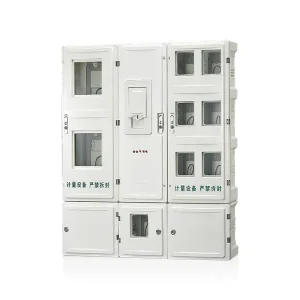
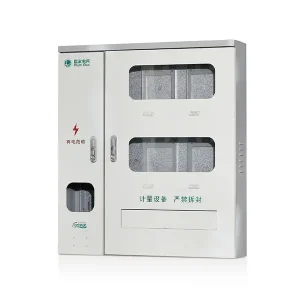
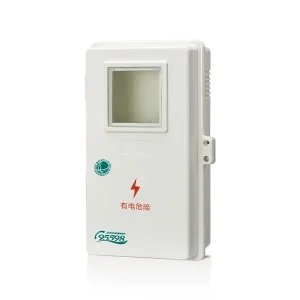
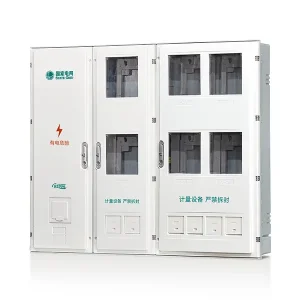
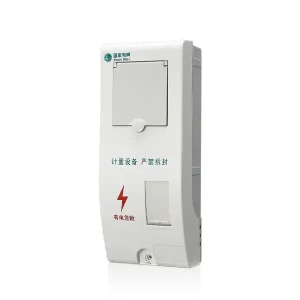
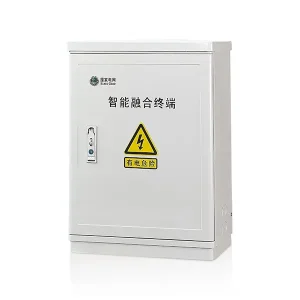
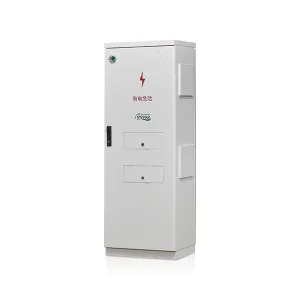
Complementary distribution components, intelligent fusion cabinets, and durable metering boxes supporting suburban distribution loops.
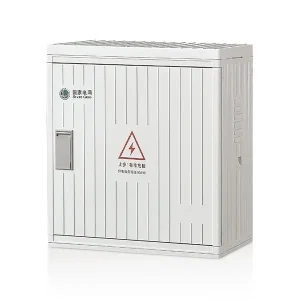
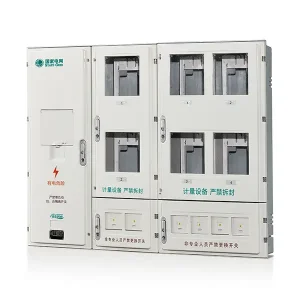
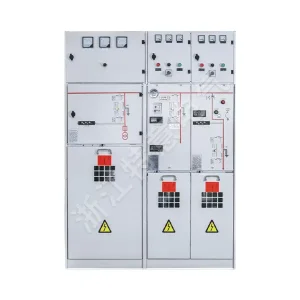
Work directly with our senior switchgear design engineers. We provide comprehensive CAD drawings, complete type-test packages, custom secondary controller programming, and full KEPCO compliance reviews within 48 hours.