Wholesale TY Series Single-Phase Electric Energy Metering Box | Reliable China Suppliers Factory for Home Energy Monitoring Manufacturers, Supplier
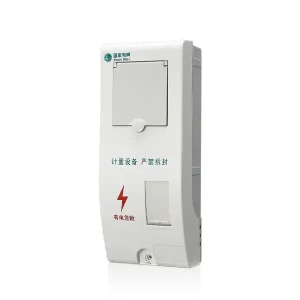
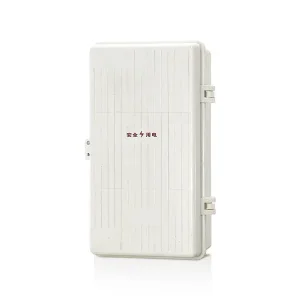
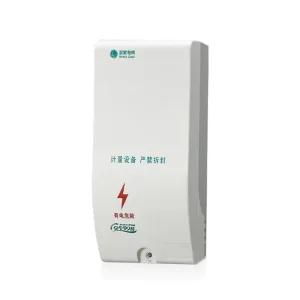
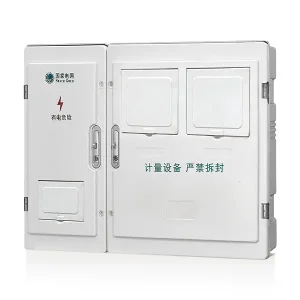
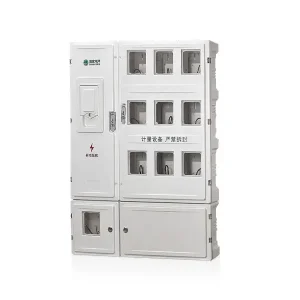
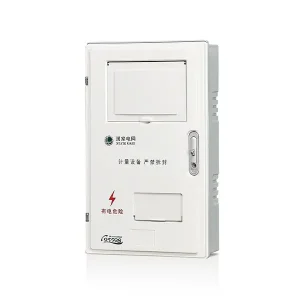
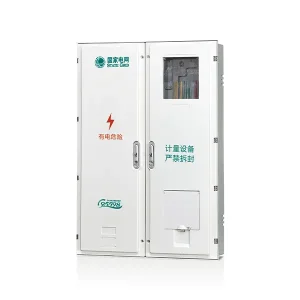
Engineered for wall and surface mount installations with IP44 to IP66 ratings, UV-inhibited SMC fiberglass, and anti-tamper security locks.
A rigorous examination of electrical modernization, non-technical loss (NTL) mitigation, and international tender specifications driving enclosure manufacturing.
Historically, power distribution systems relied heavily on conventional folded sheet metal or low-grade injection-molded thermoplastics. However, these traditional enclosures exhibit critical vulnerabilities when subjected to severe ambient stressors: corrosion in tropical maritime zones, thermal fatigue induced by continuous solar irradiance, dielectric breakdown under transient surges, and vulnerability to sophisticated power theft methodologies. The global industrial landscape has progressively mandated rigorous mechanical and chemical endurance standards, leading to the rapid adoption of Sheet Molding Compound (SMC) unsaturated polyester glass-fiber reinforced polymer (GRP) and heavy-gauge stainless steel enclosures.
Unlike steel cabinets that require supplementary galvanic bonding and earthing protection to eliminate shock hazard risks from phase-to-casing leakage, compression-molded SMC meter boxes offer inherent high-voltage dielectric isolation. This property definitively eradicates step-and-touch potential risks in public thoroughfares, high-density residential subdivisions, and humid agrarian distribution routes.
In the context of the global supply chain, procurement directors encounter demanding requirements. Enclosures must conform natively to IEC 62052-11, IEC 60529, and IEC 62262 standards, ensuring that electrical meters, current transformers (CTs), miniature circuit breakers (MCBs), and cellular/RF data collectors remain insulated against dust ingress, water jet assault, and external kinetic impacts. The strategic industrial shift towards centralized meter hubs (such as multi-position SXD and SXS series) has drastically reduced operating costs for utilities by condensing field-audit itineraries and standardizing cable termination channels.
A definitive side-by-side engineering evaluation for EPC tender selection and electrical infrastructure specification.
| Evaluation Parameter | Compression-Molded SMC (GRP) | Fabricated Stainless Steel (304/316) | Standard Thermoplastic (ABS/PC) |
|---|---|---|---|
| Dielectric Isolation | Exceeds 10 kV/mm (Inherently Insulated) | Conductive (Mandatory Earthing Bond) | Insulating (Low Dielectric Depth) |
| C5-M Maritime Corrosion Resistance | Immune to Salt, Acids & Atmospheric Rust | High Resistance (Requires Passivation) | Resistant to Rust, Vulnerable to Chemicals |
| Impact Resistance (Mechanical) | IK09 – IK10 (Shatter-Resistant Matrix) | IK10 (Subject to Permanent Deformation) | IK06 – IK08 (Prone to Cracking Over Time) |
| Thermal Stability & Fire Hazard | UL94 V-0 / Glow-Wire 960°C Compliant | Non-Combustible (High Heat Transfer) | UL94 V-2 / Prone to Toxic Outgassing |
| UV Photodegradation Index | 30+ Years Outdoor UV Resistance | Immune to UV Degradation | Prone to Yellowing & Surface Embrittlement |
| RF & Cellular Signal Transparency | Near-Zero Attenuation (AMI Ideal) | Faraday Cage Effect (Requires Ext. Antennas) | Signal Transparent |
| Total Cost of Ownership (30-Yr TCO) | Minimal (Zero Repainting or Rust Treatment) | Elevated Initial Capital Outlay | High (Requires Premature Field Replacement) |
Customized structural layouts, internal busbar configurations, and ingress security tailored to sector-specific electrical challenges.
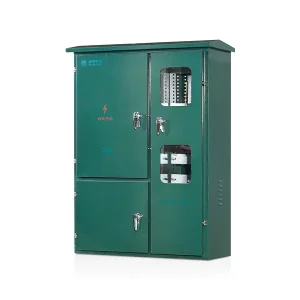
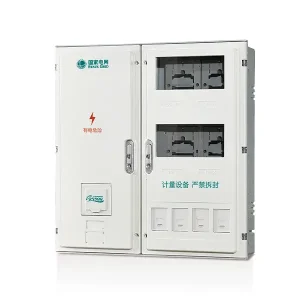
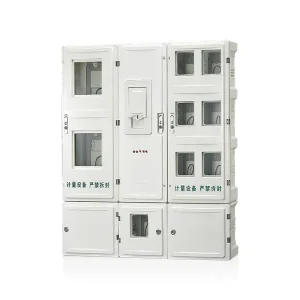
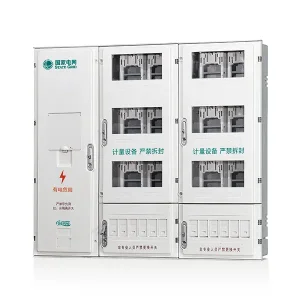
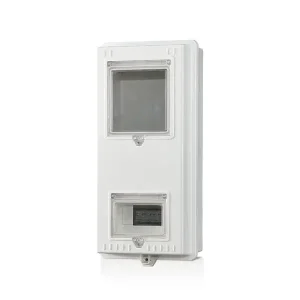
In modern urban real estate developments, physical space for service entrances is constrained. The deployment of multi-position centralized metering enclosures (such as the TY-SXD2 series supporting up to 12 single-phase energy meters per cabinet) consolidates power tap-offs into clean architectural raceways. Equipped with transparent, flame-retardant polycarbonate inspection apertures, these systems enable direct optical readout while maintaining padlockable, tamper-evident separation between utility revenue components and end-user accessible circuit breaker compartments.
Grid-tied solar installations require bidirectional 4-quadrant smart metering enclosures capable of handling fluctuating diurnal inverter outputs. Our enclosures incorporate internal space for surge protection devices (SPDs), DC/AC isolator switches, and specialized thermal venting labyrinths that maintain internal equilibrium under severe solar thermal loading without compromising IP54/IP65 ratings.
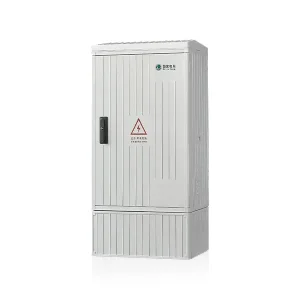
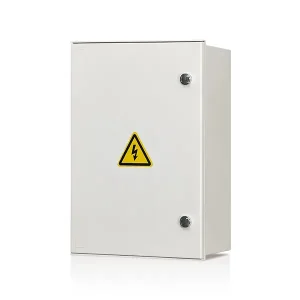
Industrial installations subject equipment to chemical splash, salt mist, and acidic fumes. Our TY-SXS3 heavy three-phase CT-operated boxes and grade 304/316 stainless steel enclosures feature seamless continuous-polyurethane foam sealing gaskets. This construction prevents volatile corrosive airborne compounds from oxidizing metering terminals, phase busbars, and current transformers.
In developing transmission peripheries, non-technical loss (commercial power theft through overhead conductor bypassing) accounts for substantial utility revenue depletion. Surface mounted enclosures installed directly at high pole-mounted elevations or secure building perimeters integrate split-metering capabilities: the energy measurement transducer resides within an inaccessible locked enclosure, while an in-home Customer Interface Unit (CIU) communicates through PLC or M-Bus, drastically cutting line tampering.
Anticipating the technological demands of smart cities, automated grid diagnostics, and utility decarbonization targets.
Modern meter enclosures are shifting from passive metal shells into active wireless sensor nodes. Our forward engineering roadmap features RF-permeable SMC composite formulations optimized for 868MHz, 915MHz, NB-IoT, and 4G/5G cellular arrays. This eliminates the need for external antenna penetrations, preserving enclosure hermeticity while achieving maximum signal propagation efficiency in dense concrete urban matrices.
As domestic electric vehicle (EV) charging stations and heat pumps push residential connection currents toward maximum nominal capacities, enclosure internal temperatures escalate. We integrate finite element heat-flow simulation (CFD) into mold development to build micro-baffled convective air circuits. These expel excess thermal wattage while maintaining IP54 ingress standards and flame-extinguishing chamber baffles to arrest internal arc flashes.
Addressing global carbon neutrality mandates, our materials engineering unit is pioneering low-VOC, recyclable thermoplastic-modified thermoset composites. By optimizing hydraulic press heat-recovery systems and standardizing bio-derived polyester resins, we deliver significant embodied carbon reductions without sacrificing mechanical flexural modulus or UL94-V0 compliance.
Leveraging clustered supply chain infrastructure, high-tonnage hydraulic molding presses, and automated CNC sheet metal fabrication.
In-house CAD/CAM tooling design creates rapid prototypes for utility-specific dimensional footprints, custom knockout punch locations, and bespoke branding embossing.
Our heavy hydraulic presses (ranging up to 2000 metric tons) ensure uniform SMC resin matrix distribution, zero voids, flat surfaces, and high structural stability.
Every production lot undergoes rigorous IP ingress water spray tests, glow-wire thermal degradation inspections, IK mechanical drop impact validation, and dielectric withstand tests.
Direct access to Ningbo and Shanghai deep-water ports provides prompt export routing with consolidated customs clearance, custom palletizing, and ocean-ready packaging.
Comprehensive engineering guidance resolving practical utility specification, environmental durability, and compliance questions.
SMC (Sheet Molding Compound) is a thermoset polymer reinforced with high-aspect-ratio glass fibers. Unlike injection-molded thermoplastics like ABS or unreinforced polycarbonate, SMC does not melt under sustained elevated thermal loads, exhibits negligible creep under mechanical loads, and delivers long-term UV resistance without surface chalking or embrittlement over 30+ year outdoor spans.
Our utility-grade meter boxes feature a two-tier anti-tamper architecture: internally compartmentalized utility and consumer spaces, concealed hinge pins that resist pry-bar attacks, utility-controlled padlockable and wire-seal eyelets, and customized security latching screws requiring proprietary utility keys. This makes unauthorized access or shunting easily detectable.
Our product lines are engineered to align with IEC 60529 (Ingress Protection IP44 to IP66), IEC 62262 (Impact Resistance IK08 to IK10), IEC 60695-2-11 (Glow-Wire Flammability at 960°C), EN 62208 (Empty Enclosures for Low-Voltage Switchgear and Controlgear Assemblies), and ISO 9001/14001 factory production control protocols.
Yes. Through our turnkey OEM/ODM programs, we provide fully populated and wired meter boxes. Our manufacturing facility integrates DIN rails, electrolytic copper busbars (rated from 10A up to 250A), current transformer mounting frames, neutral/earth terminal links, and custom cable entry glands per your project specification.
Standard production models are fully validated for continuous ambient temperature ranges from -25°C to +50°C (with peak thermal thresholds enduring up to +120°C non-deformation), a 24-hour ambient average not exceeding +35°C, and relative humidity tolerances reaching 80% at 40°C or 95% at 25°C in clean air. Special cryogenic or extreme-UV formulations are available upon request.
Standard model batches generally support flexible pilot orders from 50 to 100 units. For complete utility-scale customized compression molds (custom dimensions, knockouts, or company branding), mold fabrication requires approximately 25 to 35 calendar days, with initial production batch samples delivered in 7 to 10 business days following tool sign-off.
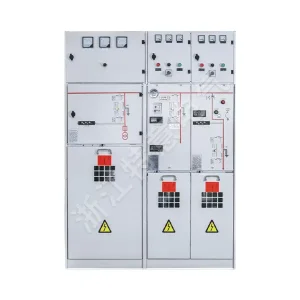
Explore our heavy-duty commercial metering assemblies, transformer-type cabinets, ring main units, and collector boxes.