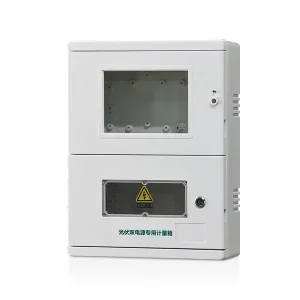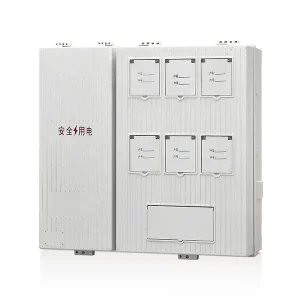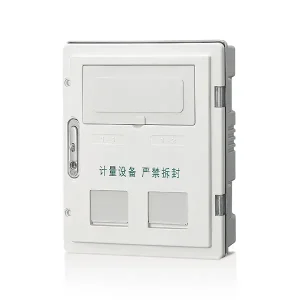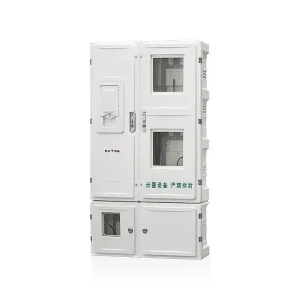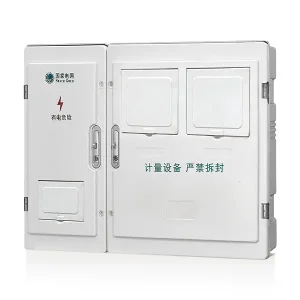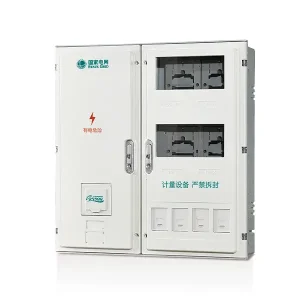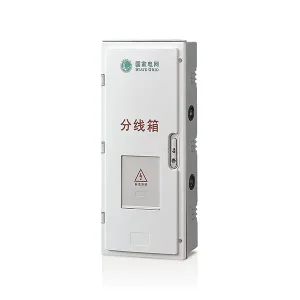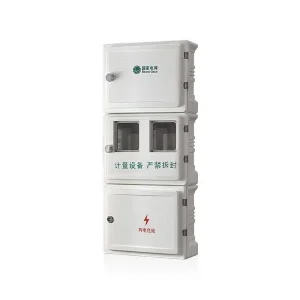
Factory-Direct Distribution Equipment
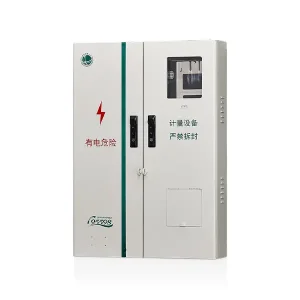
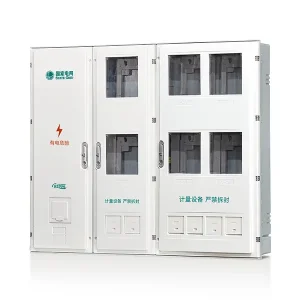
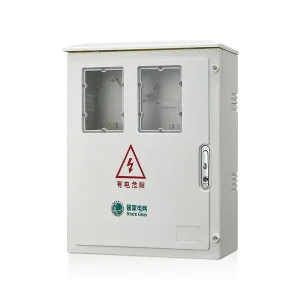
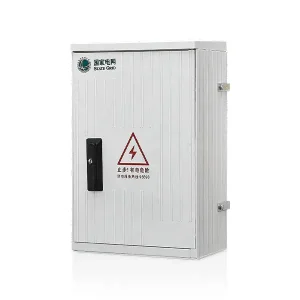
Primary Outdoor RMU & Metering Series
Reliable medium and low-voltage distribution modules engineered in Yueqing Economic Development Zone for rigorous outdoor environmental tolerance.
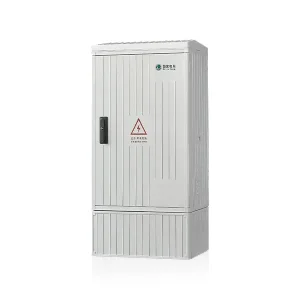
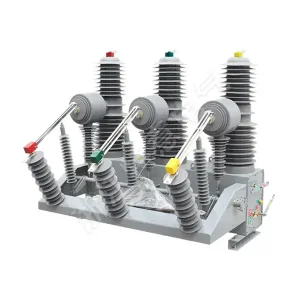
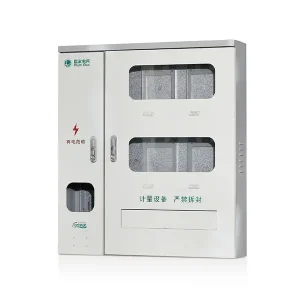
Industry Whitepaper Deep-Dive
Evolutionary Trends in Outdoor RMU & Grid Architecture
Analyzing the paradigm shift toward smart-grid compatibility, environmental decarbonization, and modular secondary distribution enclosures.
SF6-Free & Eco-Gas Transition
Global regulatory frameworks, particularly within the EU (F-gas regulations) and North America, are actively pushing medium-voltage installations toward SF6-alternative insulating mediums. Modern outdoor RMUs are engineered with dry-air, synthetic air, and vacuum-interruption designs that slash Global Warming Potential (GWP) to under 1 while ensuring operational safety.
Edge Intelligence & Primary-Secondary Fusion
Modern outdoor switchgear integrates smart Feeder Remote Terminal Units (FTUs), partial discharge optical sensors, and real-time thermal monitoring. Primary and secondary fusion technologies allow pole-mounted breakers and ground-standing RMUs to execute self-healing mesh distribution, identifying line faults in milliseconds without centralized human intervention.
Advanced Composite Enclosures (SMC & Stainless)
Traditional mild steel enclosures succumb to galvanic corrosion in littoral, saline, or aggressive industrial settings. By combining high-compression Sheet Molding Compound (SMC) fiberglass and 304/316 grade stainless steel, modern outdoor RMUs offer corrosion-free lifespans extending beyond 30 to 40 years under -25°C to +50°C fluctuations.
Strategic Procurement Analysis
Critical Global Enterprise Procurement Criteria
How utility authorities, EPC contractors, and global power distributors evaluate prospective outdoor RMU manufacturing partners.
Type Test Certifications
Procurement mandates full compliance with IEC 62271-200 (AC metal-enclosed switchgear) and IEC 62271-102. Verified independent laboratory tests from STL-accredited facilities (KEMA, ASTA, or national high-voltage stations) are mandatory for tender qualification.
Modular Scalability
Utilities demand extendable and non-extendable switchboard configurations (C, F, V schemes) that can be field-upgraded. Plug-in solid-insulated busbar systems must allow substations to integrate additional circuits with zero gas handling on site.
Severe Climate Resilience
Requirements include anti-condensation systems, C5-M marine corrosion resistance, internal arc resistance (IAC AFL/AFLR classifications up to 20kA/1s), and operational stability across desert thermal surges and arctic freeze cycles.
Total Cost of Ownership
TCO evaluation weighs initial capital expenditure against a 30-year lifecycle maintenance footprint. Factory-sealed gas tanks and solid-insulated epoxy encapsulation reduce field inspections, gas refills, and planned downtime.
Technical Benchmarking
Outdoor Enclosure & Insulation Performance Matrix
A reference engineering comparison for evaluating outdoor switchgear housing and insulation technologies.
| Performance Dimension | SMC Fiberglass (GRP) Enclosure | Stainless Steel (304/316) Cabinet | Solid Insulated Switchgear (SIS) | Traditional Gas Insulated (GIS) |
|---|---|---|---|---|
| Dielectric Safety | Inherent non-conductive insulation; eliminates touch potential faults. | Conductive; strictly depends on verified earthing integrity. | Epoxy resin shielding of primary live parts; touch-safe. | SF6 or dry gas insulated inside sealed stainless steel vessel. |
| Atmospheric Durability | Impervious to salt mist, coastal spray, and aggressive acid rains. | High corrosion resistance; requires passivated weld seams. | Sealed core; exterior requires secondary outdoor shelter. | Hermetically sealed against ingress (IP67 tank rating). |
| Mechanical Rigidity | High impact absorption (IK10); retains structure under stress. | Extreme tensile resilience; dent-resistant under heavy impact. | Rigid cast resin blocks protected inside steel housing. | Structural stainless vessel with pressure relief vent mechanisms. |
| Maintenance & TCO | Zero anti-rust painting; 30-40 year operational lifetime. | Minimal maintenance; periodic seal inspection required. | Virtually maintenance-free; zero gas monitoring overhead. | Requires periodic manometer and gas pressure leak checks. |
System Integration
Comprehensive Sector-Specific Macro Solutions
Tailored power distribution configurations solving real-world challenges across diverse engineering terrains.
Utility Renewable Tie-Ins
Large-scale solar PV and wind farms require bidirectional energy metering, robust harmonics suppression, and vacuum circuit breakers engineered for rapid line tripping during reverse-power surges.
- SMC grid-connected photovoltaic junction boxes
- CT-operated multi-tariff billing cabinets
- Compact Ring Main Units with reclosing logic
Petrochemical & Heavy Industry
Continuous-process chemical facilities operate under combustible or acidic ambient vapors. Enclosures must feature flame-retardant SMC, IP54+ ingress seals, and explosion-venting internal arc channels.
- Heavy-gauge stainless steel metering cabinets
- Hermetically sealed gas switchgear modules
- 30 kA short-time withstand bus systems
Urban Underground Distribution
Metropolitan underground grids demand ultra-compact floor footprints, flood-resistant submersible cable branch boxes, and concealed wiring to maintain municipal safety and aesthetic standards.
- TY-DFW floor-standing cable branch cabinets
- Multi-tenant SXD2 metering arrays
- Smart secondary automation nodes
Rail Transit & Electrification
Light rail, metro networks, and regional freight corridors depend on uninterruptible dual-feeder RMUs, automated line transfer switches, and pole-mounted vacuum sectionalizers to isolate rail segments.
- Primary & secondary fusion pole circuit breakers
- High-speed motor-actuated load switches
- Ruggedized remote telemetry integration
Factory Assurance
Localized Compliance, OEM/ODM & Factory Engineering
Operating from China's Electrical Capital, Zhejiang Teyi Electric pairs precision compression molding with end-to-end quality validation.
Full-Spectrum OEM / ODM Customization
From initial CAD modeling and custom mold fabrication to functional switchgear prototyping, our engineering team tailors busbar configurations, CT/PT compartments, viewing windows, and customer-branded fascias with strict intellectual property protection.
Standardization & Quality Architecture
Operating under ISO 9001, ISO 14001, and ISO 45001 management protocols, every batch undergoes helium mass-spectrometer leak checks (GIS), power-frequency voltage withstand tests, temperature-rise verification, and mechanical endurance cycling.
Global Delivery & Component Sourcing
Our location in Yueqing provides integrated access to high-grade vacuum interrupters, copper busbars, and terminal blocks. We provide overseas clients with full sea/air export packaging, export documentation, and on-site engineering advisory services.
Looking Ahead
Technical Roadmap & Next-Gen Distribution Architecture
Mapping the next decade of digitalized switchgear, self-powered IoT telemetry, and circular raw material recyclability.
Phase 1: Cloud-Integrated IoT Switchgear
Deployment of low-power passive surface acoustic wave (SAW) temperature sensors on busbar joints. Direct cloud integration via NB-IoT/5G modules enables automated predictive alerts before insulation breakdown occurs.
Phase 2: Universal Solid & Clean-Air Core
Total phase-out of fluorinated greenhouse gases in secondary networks. Implementation of modular solid-shielded insulation where each phase is completely self-contained in epoxy and outer conductive grounded coatings.
Phase 3: Circular Polymer Lifecycle
Development of bio-based resins and fully recyclable composite thermosets for outdoor distribution cabinets, reducing embodied carbon in power infrastructure while elevating fire and smoke safety ratings (EN 45545 compliance).
Client Inquiries
Frequently Asked Questions (FAQ)
Detailed engineering and commercial answers to frequent technical inquiries from overseas grid operators and procurement managers.
What is the standard design lifespan of outdoor RMUs and SMC enclosures?
Teyi's SMC compression-molded enclosures (such as the TY-SXD2 series) are engineered for a designed operational lifespan exceeding 30 years in outdoor conditions and over 40 years indoors. Medium-voltage switchgear tanks are hermetically sealed for a maintenance-free 30-year lifecycle.
How do outdoor RMUs manage extreme temperature and moisture swings?
Our units are rated for ambient operation from -25°C to +50°C and relative humidity up to 80% at 40°C. Standard configurations include anti-condensation heating elements, breather valves with semi-permeable membranes, and specialized UV-stabilized SMC resins.
Can you manufacture custom busbar layouts to meet regional tender criteria?
Yes. We accommodate busbar current ratings from 10A through 250A up to 630A/1250A for medium-voltage lines, with 30kA short-term current capacity. Internal layouts can be customized for direct entry, CT/PT metering, and specific multi-meter configurations.
What makes SMC fiberglass superior to conventional coated steel for outdoor metering?
SMC (Sheet Molding Compound) is inherently dielectric, which eliminates touch-voltage shock risks without grounding dependencies. It does not oxidize, resists chemical and saline corrosion, and withstands physical impacts (IK10) without surface degradation.
What testing and quality protocols occur before factory dispatch?
All switchgear and distribution boxes undergo factory acceptance testing (FAT), including power frequency withstand voltage testing, loop resistance measurement, mechanical operation cycling, and helium leak testing for sealed tanks, fully documented in inspection reports.
How are samples handled for overseas utility tenders and EPC audits?
Under our ODM service line, fast-track engineering prototypes and material sample slabs can be delivered for client mechanical, dielectric, and thermal evaluation prior to mass production and container shipment.
Complete Hardware Portfolio
Secondary Substation & Terminal Distribution Equipment
Explore our complete catalog of SMC fiberglass boxes, CT transformer metering assemblies, and flame-retardant junction units.