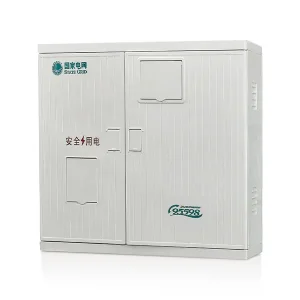
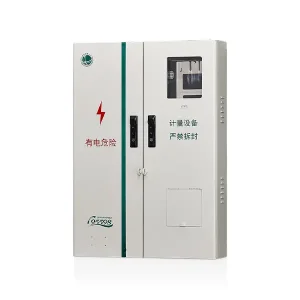
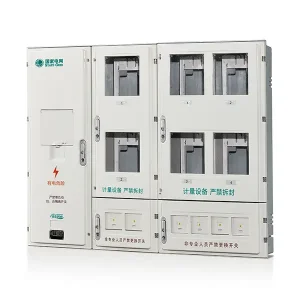
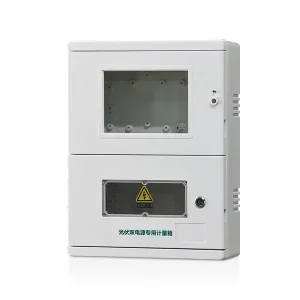
High-Performance Metering & Distribution Units
Explore our heavy-duty compression-molded fiberglass and precision metal meter box components engineered to satisfy rigorous international power grid parameters.
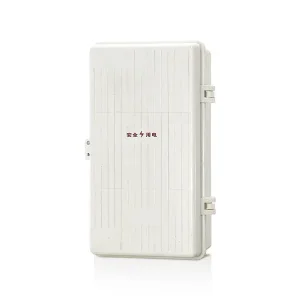
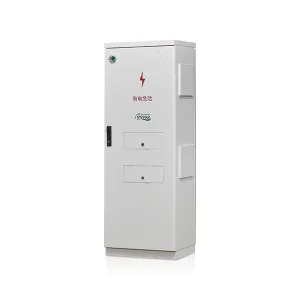
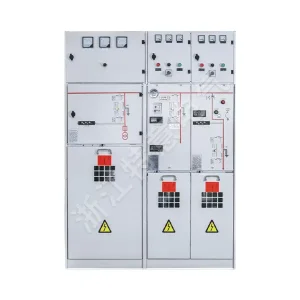
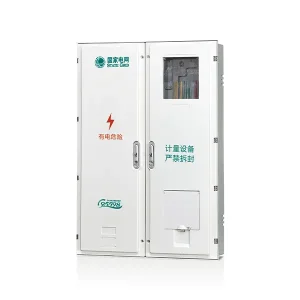
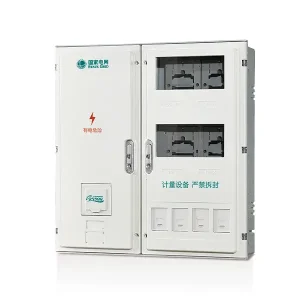
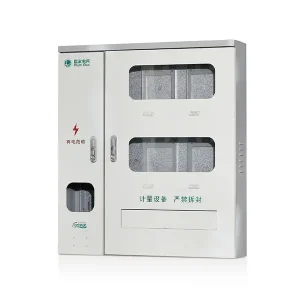
State of the Electrical Enclosure & Meter Box Sector
A comprehensive examination of how global grid modernization, energy transition initiatives, and anti-tamper security demands are reshaping smart metering enclosure manufacturing.
Grid Modernization Demands
The acceleration of advanced metering infrastructure (AMI) initiatives globally necessitates meter housings with advanced electromagnetic transparency, integrated telemetry antennas, and automated remote disconnection mechanisms that standard heritage cabinets cannot support.
Corrosion & UV Mitigation
Traditional deep-drawn carbon steel meter boxes face systemic premature oxidation in tropical, coastal, and desert environments. Utilities are migrating rapidly toward Sheet Molding Compound (SMC) formulations capable of withstanding heavy UV indexes and C5-M extreme marine corrosion classifications.
Revenue Protection & Anti-Tamper
Non-technical losses (electricity theft) remain a multi-billion dollar drain on utility operators across Latin America, South Asia, and Africa. Enclosure architectures now integrate labyrinthine seal cavities, embedded RFID sensor interlocks, and multi-point concealed hinges.
40+ Yrs
Design Life Span
30 kA
Short-Time Withstand
IP65/IK10
Protection Integrity
UL94-V0
Flame Retardancy
The Yueqing Supply Chain Advantage & Factory Capabilities
Strategically situated in Yueqing, Wenzhou—China’s global electrical capital—our integrated operations yield unparalleled scalability, rapid tooling, and lean production velocity.
Hyper-Clustered Raw Material Ecosystem
Yueqing houses the world’s most concentrated ecosystem for electrical contactors, breakers, copper busbars, and engineered resins. This geographic concentration removes logistics lag times, empowering us to transition from raw SMC compounding to packed containers with unmatched speed.
Automated High-Tonnage Hydraulic Presses
Our workshop houses high-precision CNC compression presses ranging from 300 to 1,600 metric tons. Automated thermal profiling and vacuum-assist molding ensure zero structural void formation, consistent wall thicknesses, and high dimensional accuracy across large-scale tender batches.
Certified Testing & Strict Quality Protocols
Every meter box component batch undergoes mechanical impact testing (IK code verification), glow-wire testing up to 960°C per IEC 60695-2-11, ingress defense validation (IP54 to IP66), and dielectric breakdown assessments up to 30 kV before export documentation sign-off.
Localized Scenarios & Tailored Deployment Architectures
Engineering criteria diverge dramatically across end-use installations. We adapt electrical configurations, busbar layouts, and ingress shielding to match regional demands.
Multi-Tenant High-Rise Residential
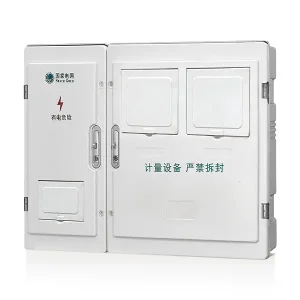
Configured using multi-position modular banks (2 to 12 positions such as the TY-SXD2 series). Concealed riser wiring, compartmentalized busbar chambers, and independent padlock-compatible circuit breaker compartments provide centralized sub-metering without fire propagation risks.
- Modular DIN-rail integration
- Direct and indirect smart meter mounts
- Isolated neutral/grounding busbars
Distributed Solar PV Generation
Bidirectional utility interconnection demands specialized meter boxes capable of accommodating grid-tie circuit breakers, lightning surge arresters (Type 1+2), and auxiliary split-core current transformers. SMC fiberglass prevents heat buildup under direct solar irradiation.
- Ventilation grilles with insect-proof mesh
- Anti-condensation thermal internal baffles
- Reinforced cable entry knockouts
Heavy Industrial & Petrochemical
Harsh acidic, saline, or vapor-laden atmospheres require either compression-molded halogen-free GRP or grade 304/316L stainless steel enclosures. These units withstand short-circuit stresses up to 30 kA and prevent hazardous contact with high-current bus lines.
- Oil- and chemical-resistant EPDM gaskets
- Explosion-vent pressure release channels
- CT-operated transformer chambers (TY-SXS3)
Substation Feeder & Cable Branching
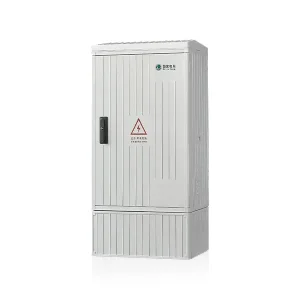
Floor-standing underground cable branch cabinets (TY-DFW series) serve as essential nodes linking secondary substations with urban feeder networks. Designed with removable bottom plates and high-grade copper bus linkages for simple terminations.
- Galvanized plinths for direct trench mounting
- Fully compartmentalized incoming/outgoing bays
- Tested against dynamic short-circuit impulses
Emerging Technology Trends & Global Procurement Strategies
Insights for supply chain executives, utility directors, and EPC procurement leads navigating international compliance, carbon footprint mandates, and smart grid evolution.
Total Cost of Ownership (TCO) Prioritization
Forward-thinking utility procurement is transitioning away from lowest upfront tender bids toward 30-year lifecycle appraisals. SMC enclosures eliminate periodic repainting, electrolytic oxidation remediation, and field earth-resistance inspections, reducing lifecycle operational expenditure by up to 62%.
Modular OEM/ODM Engineering Collaboration
Leading buyers engage suppliers at the preliminary design phase. By standardizing component sub-assemblies—such as universal DIN rails, transparent UV-stabilized polycarbonate windows, and pre-machined gland plates—buyers can decrease delivery lead times from 90 days to under 25 days.
Smart Sensor & IoT Fusion Terminal Integration
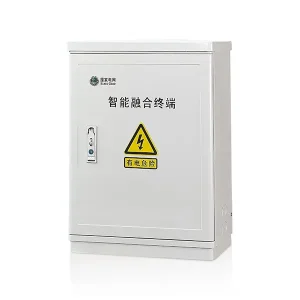
The modern meter box is evolving into an active data collection hub. Cabinets like our TY-TTU Intelligent Fusion Terminal Box integrate micro-switches for cover tampering, internal temperature sensors, and cellular backhaul communication, turning passive enclosures into active monitoring nodes.
Frequently Asked Technical & Sourcing Questions
In-depth responses curated by our senior design engineers to assist engineering consultants and international purchasing teams.
What are the key technical advantages of SMC fiberglass over stainless steel for meter boxes?
Sheet Molding Compound (SMC) offers total electrical insulation (Class II protection), eliminating shock hazards without supplementary earthing conductors. It provides natural corrosion immunity against salt spray and acid rain, exhibits superior RF transparency for wireless smart meters (reducing signal attenuation by up to 90% compared to metal), and resists mechanical deformation under impacts (IK10 rated).
How does your factory manage dimensional tolerances and large-volume consistency?
We use high-grade hardened steel compression molds machined via high-speed 5-axis CNC centers. Our closed-loop hydraulic systems maintain tight thermodynamic control during the curing cycle, holding dimensional variations under ±0.5 mm. Automated deburring, coordinate measuring machines (CMM), and laser-guided punching stations ensure that every unit in a multi-thousand order fits standard utility brackets reliably.
Can internal busbars and breaker layouts be customized to national utility norms?
Yes. Our engineering division regularly redesigns interior configurations to comply with specific regional utility specifications (such as BS 7657, DIN 43870, or ANSI C12 standards). We provide custom high-conductivity tin-plated copper busbars, pre-wired color-coded harnesses, terminal blocks with specific torque ratings, and customer-specified miniature or molded case circuit breakers (MCBs/MCCBs).
What certifications and third-party test reports do your meter boxes hold?
Our enclosures and low-voltage distribution components undergo testing aligned with IEC 61439-1/2, IEC 60529 (IP ratings), IEC 62262 (IK impact ratings), and UL 94-V0 flammability tests. Full type-test documentation and factory acceptance testing (FAT) logs are provided with utility tender submissions.
What lead times and supply packaging options are available for container shipping?
Standard model production typically ranges from 15 to 25 business days for 20ft or 40ft high-cube containers. Products are wrapped in scratch-resistant polyethylene foam, reinforced with corner paperboards, and packed in export-grade corrugated cartons or fumigated wooden crates optimized for rapid forklift handling and secure ocean transit.
Transformer Metering, Control & Grid-Tie Assemblies
From low-voltage transformer cabinets to renewable energy combiner boxes, discover our precision-manufactured enclosures ready for international deployment.