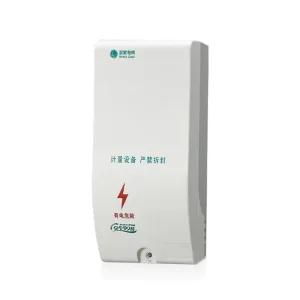
Primary Cable Branch & Terminal Distribution Solutions
Precision-engineered electrical enclosures designed for secondary substations, feeder branching, multi-tenant revenue metering, and intelligent edge monitoring. Built with flame-retardant SMC composite materials and heavy-duty busbar matrices.
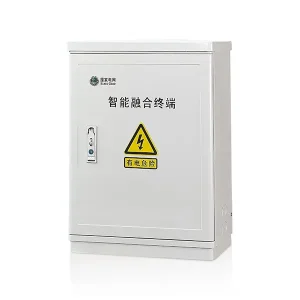
China China TY-TTU Intelligent Fusion Terminal Box - Reliable Suppliers and Factory Installation Guide Manufacturer
Explore Specification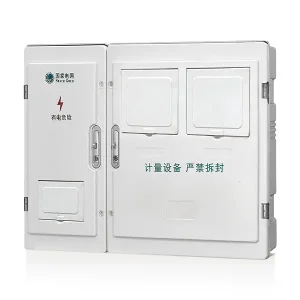
China China TY-SXS2-DXJ Low Voltage Three-Phase Electric Energy Metering Box - Reliable Suppliers & Factory Solutions
Explore Specification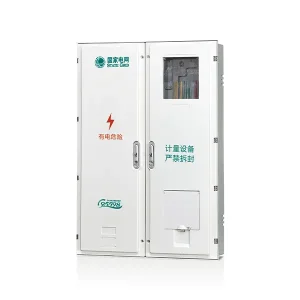
China China Suppliers TY-SXS3 Three-Phase Electric Energy Metering Box (Transformer Type) Factory Suppliers
Explore Specification
Wholesale China TY-SXS3 Three-Phase Electric Energy Metering Box - Transformer Type from Reliable Suppliers
Explore Specification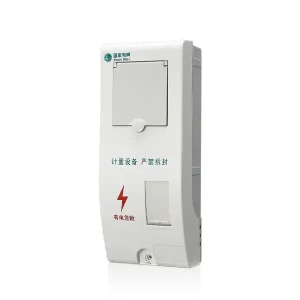
Wholesale China TY-SXD1 Single-Phase Electric Energy Metering Box - Suppliers & Factory for Reliable Power Measurement
Explore Specification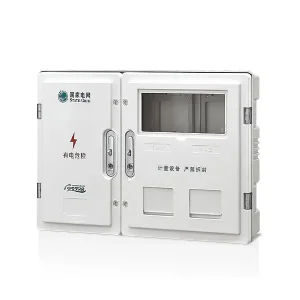
Wholesale TY-SXD2-A Single-Phase Electric Energy Metering Box - Quality Product by China Suppliers and Factory
Explore Specification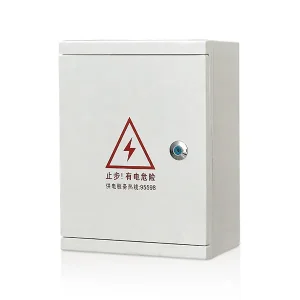
China Wall-Mounted Control Box TY-KZX Series - Durable, Compact Designs from China Suppliers & Factory
Explore Specification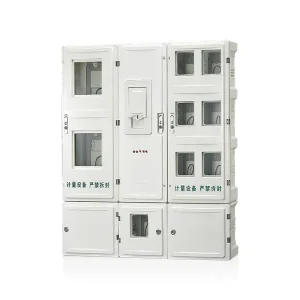
Wholesale China Ty-SXD2+SXS2-1B Three-Phase Two-Position & Single-Phase Six-Position Metering Box
Explore SpecificationTechnical Roadmap & Next-Generation Grid Convergence
Modern low- and medium-voltage cable branch boxes (CBB) function as critical switching, tap-off, and metering nodes in underground distribution networks. As legacy aerial power grids migrate underground to bolster weather immunity and urban aesthetics, the cable branch box becomes the frontline defender against transient short circuits, moisture intrusion, and harmonic contamination.
Thermosetting SMC Nanocomposites
Sheet Molding Compound (SMC) formulated with high-purity unsaturated polyester resin, continuous strand roving fiberglass (28-32% ratio), and specialized inorganic mineral flame retardants. Compression-molded under 1,200 to 2,000 metric tons of hydraulic force at 150°C, producing void-free enclosures with high dielectric strength (>18 kV/mm), zero tracking (CTI ≥ 600V), and superior UV weatherability resistant to micro-fissuring over 30+ years of severe outdoor exposure.
Smart Edge TTU & IoT Fusion
Integration of Transformer Terminal Units (TTU) and feeder terminal units directly inside the cable branch compartment. Low-power Hall-effect sensors and Rogowski coils continuously monitor phase currents, line-to-neutral voltages, neutral displacement, Total Harmonic Distortion (THD up to the 31st order), and ambient thermal cycling. Real-time telemetry via cellular 4G/5G NB-IoT or optical Ethernet connects edge nodes directly to SCADA and Distribution Management Systems (DMS).
Short-Circuit Dynamic Stability
Constructed with cold-drawn T2 electrolytic copper busbars (electrical conductivity ≥99.95% IACS), electroplated with 8-12 μm bright tin or silver coating to eliminate galvanic corrosion and contact resistance hot spots. The internal supporting structure utilizes glass-reinforced cycloaliphatic epoxy resin insulators rated for electrodynamic short-circuit withstand levels from 30 kA up to 50 kA peak (1-second duration per IEC 61439-1).
Sector-Specific Engineering Configurations
Electrical distribution systems require specialized structural, thermal, and dielectric protections adapted to individual operating environments. Below are our proven configurations across major utility, renewable, industrial, and municipal infrastructure sectors.
Solar PV & Energy Storage
Accommodates bidirectional solar power flows, fluctuating string voltages up to 1000V DC/800V AC, and high-frequency inverter harmonics. Equipped with Class II surge arresters, anti-islanding communication ports, and specialized forced labyrinth ventilation membranes to balance internal condensation during rapid day-night desert temperature swings.
Petrochemical & Coastal
Engineered for chemical vapors, salt-fog spray, and high airborne humidity (ASTM B117 salt spray endurance exceeding 1,000 hours). SMC fiberglass enclosures eliminate rust entirely, while stainless steel 304/316 options feature pickling, passivation, and optional anti-graffiti thermoset powder coatings with non-conductive safety viewing panes.
Multi-Tenant Subdivisions
Custom-configured single-phase (TY-SXD) and three-phase (TY-SXS) compartmentalized boxes that physically isolate public metering read-outs, incoming utility cut-out fuses, and resident load-side circuit breakers. Incorporates multi-point anti-tamper padlocking, RFID smart card windows, and concealed terminal block channels to mitigate non-technical losses.
Urban Rail & Transport Hubs
Compliant with stringent low-smoke, zero-halogen (LSZH) and flammability safety thresholds (UL94 V-0 certification). Enclosures absorb severe vibration caused by heavy passenger rail corridors, keeping internal busbar connections and multi-tap mechanical shear-bolt lugs tightly secured without terminal micro-arcing.
China Factory 4.0: Supply Chain Resilience in Yueqing
Situated in the Yueqing Economic Development Zone—the internationally acknowledged epicenter of China's electrical apparatus industry—Zhejiang Teyi Electric integrates upstream raw material chemistry with digital fabrication. Our end-to-end industrial ecosystem delivers lead-time compression and precision repeatability for large-scale utility tenders.
Integrated Press Clusters
Our pressing workshop houses an array of high-tonnage hydraulic compression units ranging from 630T up to 2,000T. Automated temperature-controlled tooling dies ensure accurate resin flow, preventing air pocket entrapment and ensuring uniform structural density, precise ribbing stiffeners, and dimensional repeatability within ±0.3 mm across multi-cavity molds.
Automated CNC Sheet Fabrication
For stainless steel JP cabinets and hybrid metallic cable branch boxes, our facility employs fiber laser cutting systems, robotic 6-axis press brakes, and automated continuous TIG/laser seam welding. This delivers hermetically sealed enclosure geometries without surface deformation, micro-porosity, or localized heat degradation of corrosion-resistant coatings.
Localized Supply Density
Within a 15-kilometer radius in Yueqing, our factory sources every tier of internal accessory—from specialized disconnector switches, molded case circuit breakers (MCCB), current transformers (CT), and fuse strips to silicone door seals and anti-pick mechanical cam locks. This direct supply proximity reduces production bottlenecks and provides price stability against raw material market volatility.
Compliance Matrix & Comparative Material Reference
Electrical engineers, utility specification committees, and EPC procurement leads must weigh mechanical resistance, life-cycle costs, electrical insulation, and environmental degradation when sourcing distribution cabinets. The data below outlines key technical parameters across major enclosure substrates.
| Performance Criterion | SMC Fiberglass (Compression Molded) | Stainless Steel (Grade 304 / 316) | Cold-Rolled Carbon Steel (Powder Coated) |
|---|---|---|---|
| Intrinsic Electrical Safety | Double Insulated Class II Zero electric shock hazard; eliminates enclosure earthing failure hazards. | Conductive; mandatory copper protective bonding (PE) to earth grid. | Conductive; dependent on permanent, corrosion-free external earth connections. |
| Corrosion & Chemical Resistance | Total Immunity. Unaffected by sulfuric acid, coastal chlorides, alkaline soils, and dog urine. | High resistance (316 grade required in severe marine salinity/splash zones). | Prone to rapid oxidation and edge rust creep if polymer coating is scratched or chipped. |
| Impact Resistance (Mechanical) | IK10 Certified (20 Joules impact). High elastic recovery; will not dent or permanently warp. | IK10. Extreme toughness, though deep impacts cause structural denting and misalignment. | IK08 to IK09. Easily dented under mechanical shock, compromising inner ingress seals. |
| Thermal Insulation & Condensation | Low thermal conductivity (0.23 W/m·K). Eliminates sudden inner condensation from thermal swings. | High thermal conductivity (16 W/m·K). Frequent condensation formation requiring internal heaters. | High thermal conductivity (50 W/m·K). High condensation potential requires space heaters. |
| RF & Wireless Transmission | Electromagnetically Transparent. Smart AMR/AMI/IoT antennas operate reliably inside box. | Faraday cage shielding effect; requires external antennas exposed to vandalism. | Faraday cage effect; mandates vulnerable external antenna drilling and sealing. |
| Expected Service Lifespan | 30+ Years Outdoor / 40+ Years Indoor. Zero routine anti-rust painting required. | 25–35 Years (dependent on atmospheric grade and weld seam passivation quality). | 8–12 Years outdoor before rust degradation necessitates box replacement. |
Localized Governance, Factory Acceptance (FAT) & Testing
We bridge the gap between Chinese high-volume manufacturing efficiency and localized utility procurement mandates across Latin America, Southeast Asia, the Middle East, Africa, and Europe. Every batch of cable branch boxes leaves our factory backed by verifiable type tests, comprehensive traceability, and tailored customization.
Factory Acceptance Testing (FAT)
Prior to container departure, our laboratory subjects production units to dielectric withstand testing (up to 3,750V AC for 1 minute), temperature-rise limits at rated nominal current, IPX6 water spray verification, torque resistance on busbar bolted interfaces, and digital insulation resistance testing at 1,000V DC. Clients can witness FAT live via video telemetry or engage third-party inspection firms (SGS, TÜV, Intertek).
Tender-Specific OEM/ODM Customization
Our engineering team transforms regional utility standards (including British Standard BS 7656, French NF C 15-100, DIN standards, or American ANSI/NEMA frameworks) into production tooling. We provide customized meter mounting plates, cable gland entries (conical rubber grommets or brass Pg/metric glands), transparent UV-stabilized polycarbonate inspection windows, and utility-branded embossing.
Robust Export Packaging & Logistics
Overland and marine shipments are packed to survive rigorous transport handling. Finished cable branch enclosures are individually sealed with vapor-barrier desiccant bags, protected by high-density polyethylene corner buffers, and packaged within reinforced 5-ply corrugated export cartons securely banded to heat-treated ISPM-15 compliant fumigated pallets.
Frequently Asked Engineering & Procurement Questions
Key clarifications regarding short-circuit capabilities, installation methods, anti-condensation mechanisms, and supply chain timelines for our cable branch box product series.
Our cable branch boxes utilize indirect convection labyrinth ventilation louvers positioned along the top roof overhang and lower plinth skirts. These baffles are lined with internal stainless steel insect screens and hydrophobic, vapor-permeable ePTFE acoustic/airflow membranes. This architecture permits hot air to escape via natural stack effect while blocking wind-driven rain, sand, and fine particulate matter, fully maintaining IP65 or IP66 environmental protection.
Our low-voltage CBB enclosures accommodate main horizontal copper busbars rated from 250A up to 800A nominal, with branch feeder circuits typically configured between 63A and 400A utilizing NH00, NH1, or NH2 vertical disconnect switch-fuses or modern MCCBs. Short-time withstand current capabilities are verified up to 30 kA/1s for standard distribution enclosures and up to 50 kA for heavy-duty industrial configurations.
Yes. We offer two cooperation modes: (1) Empty modular enclosures including base plinths, copper busbars, and DIN-rail systems for local assembly by your panel builders; and (2) Fully integrated, wired turnkey packages equipped with your designated brands of breakers, fuses, surge arresters, smart meters, and terminal lugs, pre-tested and certified ready for field energization.
Our SMC compound formulations undergo Accelerated Weathering Xenon Arc Lamp tests (ISO 4892-2) for 3,000+ hours and QUV fluorescent UV exposure testing. Retained mechanical flexural strength and tensile impact properties exceed 85% of baseline values, and our materials achieve a Glow Wire Flammability Index (GWFI) of 960°C per IEC 60695-2-12, confirming superior fire-retardant and anti-tracking characteristics.
Our cable branch systems support three distinct mounting configurations: (1) Ground-buried plinths, where a dedicated SMC root base is embedded directly into clean soil or gravel backfill; (2) Surface pad-mount bases, bolted directly onto a poured concrete slab using internal stainless steel anchor studs; and (3) Heavy-duty hot-dip galvanized steel bracket kits for utility pole installation.
For existing standard tooling models, sample lead time is 7 to 10 days, while standard 20ft/40ft container production runs typically require 20 to 30 days. For custom utility tooling that requires new compression molds, complete steel die fabrication, testing, and pilot part qualification typically requires 35 to 45 days.
Comprehensive Metering & Distribution Cabinet Selection
Browse additional utility-grade electricity metering enclosures, stainless steel JP integrated feeder distribution pillars, and solar grid-tie junction units. Fully customizable for international distribution networks.
China Three-Phase Electric Energy Metering Box (Transformer Type) - TY-SXS3 by Teyi Electric Co., Ltd.
Explore Specification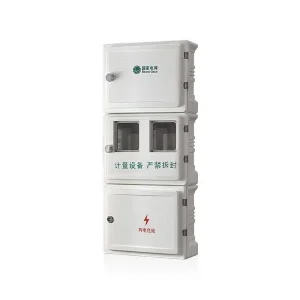
China TY-SXD2 single-phase electric energy metering box(2-6) Manufacturers, Factories
Explore Specification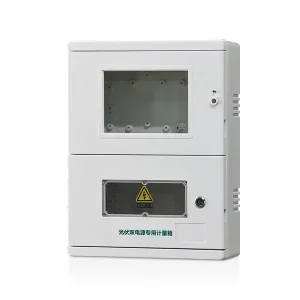
Wholesale China Suppliers Factory SMC Fiberglass Photovoltaic Grid-connected Box for Solar Energy Management
Explore Specification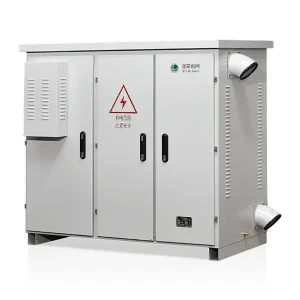
China China Stainless Steel JP Cabinet Supplier - Durable Factory Solution for Power Distribution Systems
Explore Specification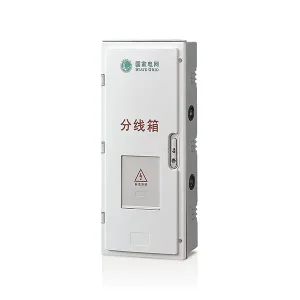
China TY-FXX Junction Box from China Suppliers - Flame Retardant Electrical Solutions by Teyi Electric
Explore Specification
Wholesale Stainless steel JP cabinet Suppliers, Factories
Explore Specification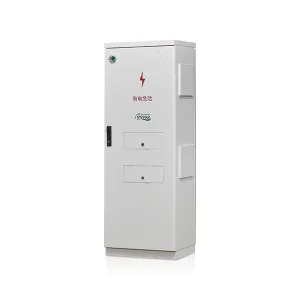
China China Stainless Steel Single Phase Twelve-Position Meter - Reliable Suppliers & Factory
Explore Specification