
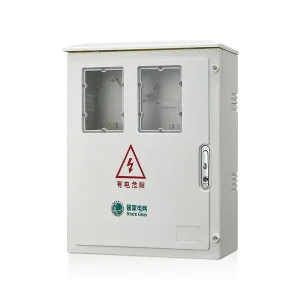
Precision Engineering Portfolio
High-Performance Metering Enclosures (Series I)
Direct supply of standardized and bespoke energy metering solutions manufactured in Yueqing, China's Electrical Capital, meeting IEC 62208, IEC 60529, and global utility standards.
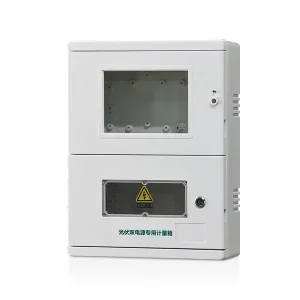
Fiberglass Photovoltaic Grid-Connected Box
View Product Details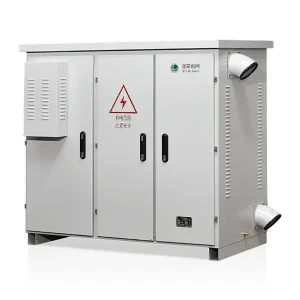
Stainless Steel Industrial JP Cabinet
View Product Details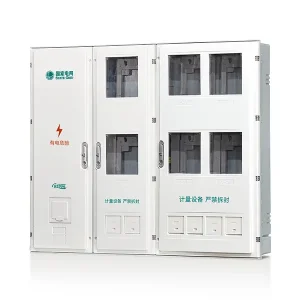
TY Three-Phase Energy Metering Box
View Product Details
Durable Power Distribution JP Cabinet
View Product Details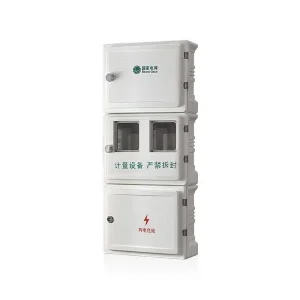
TY-SXD2 Single-Phase Multi-Position Meter Box
View Product Details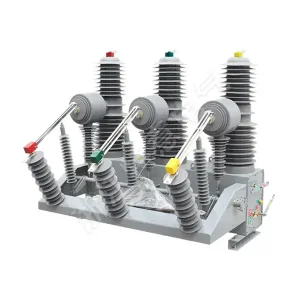
Fusion Pole-Mounted Circuit Breaker
View Product Details
TY-SXS3-2B Durable Electrical Meter Box
View Product Details
Global Supply Chain Whitepaper
Macro Trends & Global Procurement Challenges in Power Metering
Decarbonization, smart meter rollouts, and the reduction of commercial losses are reshaping procurement requirements across municipal utilities and industrial operators worldwide.
Combating Non-Technical Losses (NTL)
Global utilities bleed billions annually via power diversion and tampering. Modern enterprise procurement favors SMC enclosures engineered with internal hinge systems, triangular keyed safety locks, optical tamper-detection switches, and split compartments isolating utility CT connections from user breakers.
Advanced AMI & IoT Integration
As legacy grids transition to smart AMI networks (Cellular NB-IoT, LoRaWAN, ZigBee, and PLC), enclosures must eliminate RF attenuation. Unlike traditional steel cabinets that act as Faraday cages, SMC fiberglass permits wireless data transmission without external, easily vandalized antenna arrays.
Environmental Resiliency & Lifecycle ROI
Tenders across coastal regions, high-UV tropical belts, and saline environments demand materials immune to atmospheric corrosion. Specifying Sheet Molding Compound (SMC) delivers a 40+ year indoor and 30+ year outdoor design life, minimizing capital replacement cycles and field maintenance overhead.
Material Science & Standards
Engineering Superiority: SMC Composite vs. Conventional Enclosures
Empirical technical data comparing thermosetting Sheet Molding Compound (SMC), fabrication-grade Stainless Steel (304/316), and low-cost Polycarbonate (PC/ABS) enclosures.
| Performance Vector | Teyi Compression SMC (GRP) | Stainless Steel (AISI 304/316) | Standard Polycarbonate / ABS |
|---|---|---|---|
| Dielectric Strength & Safety | Inherently non-conductive (>18 kV/mm); class II double insulation; zero touch voltage danger. | Conductive; requires continuous earthing bond; shock risk during internal flashover. | Insulating; lower dielectric tracking index compared to compression thermosets. |
| Impact Resistance (IK Rating) | IK10 (20 Joules); fiberglass weave distributes mechanical kinetic loads without permanent deformation. | IK10+; high dent resistance but deformation can bind locking mechanisms and destroy seals. | IK07 - IK08; brittle failure under low-temperature mechanical shock impact. |
| RF Permeability (AMI Ready) | Transparent to 433MHz - 2.4GHz signals; no attenuation for NB-IoT/LoRa/GSM smart meters. | Total Faraday shielding; mandates external antenna penetrations prone to moisture leakage. | RF transparent, but subject to rapid UV degradation around structural mountings. |
| Fire Retardancy & Thermal Index | UL94 V-0 compliant; self-extinguishing; Glow Wire Flammability Index (GWFI) up to 960°C. | Non-combustible; conducts heat directly to internal components under external flame. | UL94 V-1 or V-2; risk of toxic dripping and catastrophic deformation during short-circuit arcs. |
| Total Cost of Ownership (30-Yr TCO) | Lowest; zero recoating, rust neutralization, or scheduled cosmetic maintenance required. | High initial cost; potential crevice corrosion at weld seams in marine environments. | Moderate initial; high replacement costs due to UV embrittlement every 7-10 years. |
Smart Factory Infrastructure
End-to-End Precision Manufacturing Ecosystem
Operating out of the Yueqing Economic Development Zone, Teyi Electric combines automated hydraulic compression molding, CNC sheet metal fabrication, and laboratory-verified quality control.
Hydraulic Compression
High-tonnage hydraulic presses ranging from 315T to 1200T ensure uniform mold-cavity pressure, flawless glass fiber orientation, and stable density across intricate geometries.
Precision Mold Tooling
In-house CAD/CAM tooling center produces mirror-finished, chrome-plated steel molds with engineered thermal pathways, minimizing internal stress and component warpage.
Automated Gasketing
Continuous robotic CNC polyurethane (FIPFG) dispensing creates seamless, high-adhesion elastomeric gaskets achieving verified IP54, IP65, and IP66 ingress protection ratings.
Comprehensive Testing
Factory Acceptance Testing (FAT) includes 30kA short-time withstand trials, glow wire ignitability tests, IP water ingress chambers, and salt-fog accelerated corrosion simulations.
40+
Years Indoor Designed Lifespan
30 kA
Short-Time Withstand Current
960 °C
Glow-Wire Flammability Index (GWFI)
IP66
Maximum Certified Ingress Protection
Next-Gen Power Distribution
Technology Roadmap: The Next Horizon in Intelligent Enclosures
Our R&D roadmap anticipates the converging requirements of distributed energy resources (DER), microgrid automation, and edge telemetry.
Phase 1: Smart Bi-directional PV Metering
Integrated hybrid enclosures featuring dedicated DC disconnect chambers, AC micro-inverter tie-ins, and multi-tariff metering layouts designed specifically for rooftop solar adoption and net-metering schemes.
Phase 2: Embedded Thermal & Arc Telemetry
Integration of wireless, passive RFID surface-acoustic-wave temperature sensors along primary busbars. Enclosures provide early alarms via IoT gateways prior to catastrophic thermal runaway or loose connection faults.
Phase 3: Bio-Resin & Circular SMC Chemistry
Pioneering low-carbon lifecycle enclosures utilizing post-industrial recycled glass fiber matrices and plant-derived bio-resins, reducing upstream Scope 3 carbon intensity while maintaining full mechanical IK10 ratings.
Compliance Architecture
Global Regulatory Frameworks & Utility Qualification
Engineering compliance is non-negotiable. Teyi Electric delivers certified design validation across European, American, British Commonwealth, and Middle Eastern utility frameworks.
IEC / EN International Harmonization
Full design compliance with IEC 62208 (Empty enclosures for low-voltage switchgear), IEC 60529 (Degrees of protection provided by enclosures - IP code), and IEC 62262 (IK mechanical impact codes), streamlining overseas engineering homologation.
Utility Tender Customization (OEM/ODM)
Specialized fabrication conforming to proprietary specifications including BS 7847, DIN 43870, SEC (Saudi Electricity Company), and African utility standards (e.g., KPLC, Umeme, Eskom) regarding sealing provisions, padlocking, and cable access glanding.
Full Dossier & FAT Documentation
Every overseas shipment is backed by comprehensive quality dossiers: Raw material mill certificates, resin batch consistency reports, routine FAT inspection sheets, RoHS/REACH chemical declarations, and third-party laboratory verification records.
Technical Procurement Q&A
Frequently Asked Questions by Grid Engineers & Buyers
Key technical, mechanical, and commercial inquiries addressed by our senior application engineering group.
What distinguishes compression-molded SMC from injection-molded polycarbonate?
Sheet Molding Compound (SMC) is a thermosetting composite comprising unsaturated polyester resin cross-linked with chopped glass fibers (typically 25-30% by weight). Under elevated heat and pressure, it undergoes irreversible chemical cross-linking. Unlike thermoplastics such as polycarbonate, SMC does not melt, creep, or lose structural integrity at elevated temperatures, delivering vastly superior UV resistance, flammability performance (UL94 V-0), and an outdoor service life exceeding 30 years.
How does the enclosure design eliminate Non-Technical Losses (NTL)?
Our anti-tamper architecture employs three layers of physical defense: internal concealed hinges inaccessible from the exterior, multi-point deadbolt latching systems accepting utility security seals or padlocks, and physical compartmentalization isolating unmetered service terminals from the consumer-accessible circuit breaker chamber. Optical interlocks can also be installed to trigger AMI alerts upon unauthorized cover removal.
What is the typical tooling and prototyping lead time for ODM customizations?
For custom meter configurations, window cutouts, or mounting structures, 3D preliminary modeling is completed within 48 to 72 hours. CNC rapid prototypes or polyurethane casting samples can be provided within 10 to 14 days. Production-grade forged steel tooling manufacturing requires approximately 30 to 45 days, followed by immediate pre-production sample sign-off and FAT validation.
Can Teyi meter boxes withstand harsh desert or offshore tropical marine environments?
Yes. Our SMC formulations integrate specialized UV absorbers and hindered amine light stabilizers (HALS), maintaining surface resistivity and mechanical strength even under continuous high solar radiation (UV index > 11). For coastal and offshore installations, SMC's total lack of metal content ensures zero oxidation from saline air, while our stainless steel product series utilizes passivated AISI 316 marine-grade alloy.
Expanded Grid Infrastructure
High-Performance Metering Enclosures (Series II)
Explore our single-phase, three-phase CT-operated, and low-voltage distribution modules engineered for residential apartments, commercial substations, and underground cable networks.
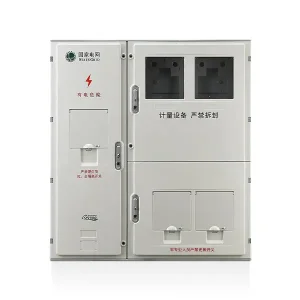
TY Series Three-Phase CT Metering Box
View Product Details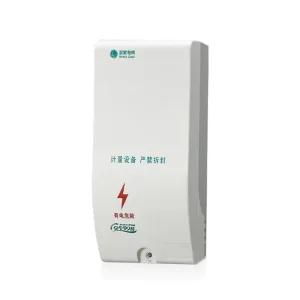
TY-SXD1-FX Single-Phase Distribution Box
View Product Details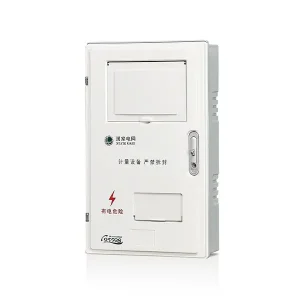
TY-SXS1 Three-Phase One-Position Meter Box
View Product Details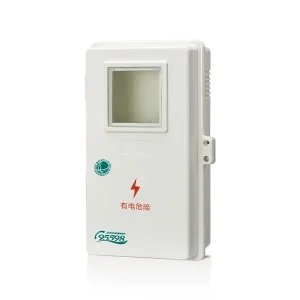
TY-SXD1-1C Single-Phase Collector Box
View Product Details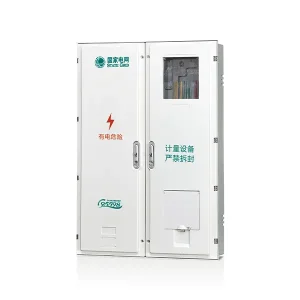
TY-SXS3 Three-Phase Transformer Meter Box
View Product Details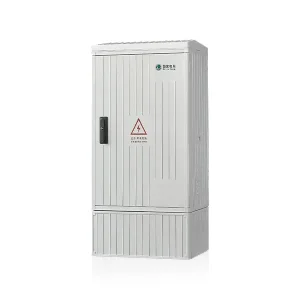
TY-DFW Floor-Standing Cable Branch Box
View Product Details
TY-SXD1-FX Single-Phase Distribution Unit
View Product Details