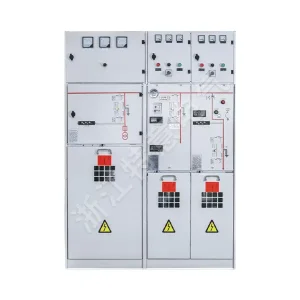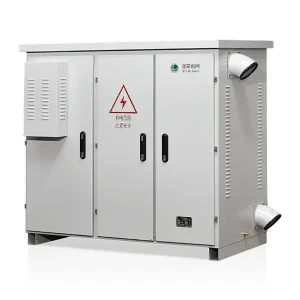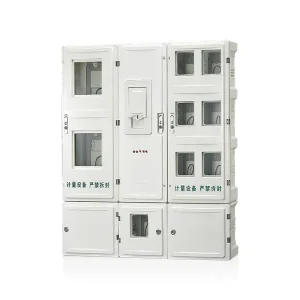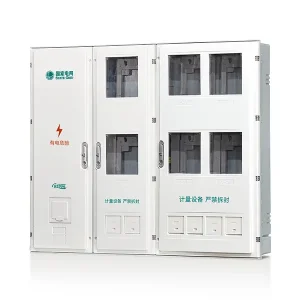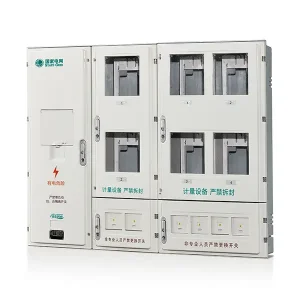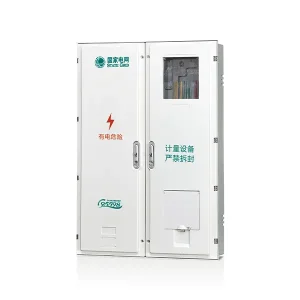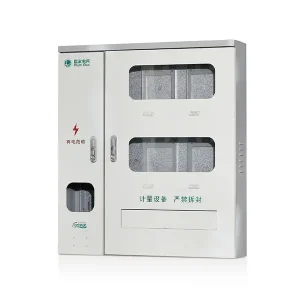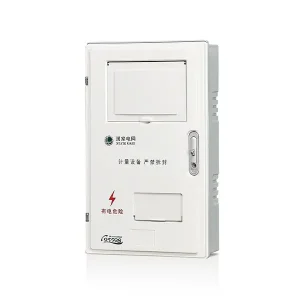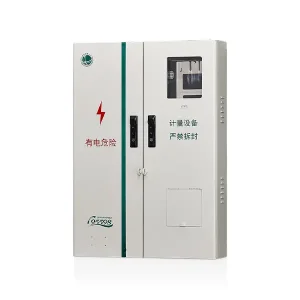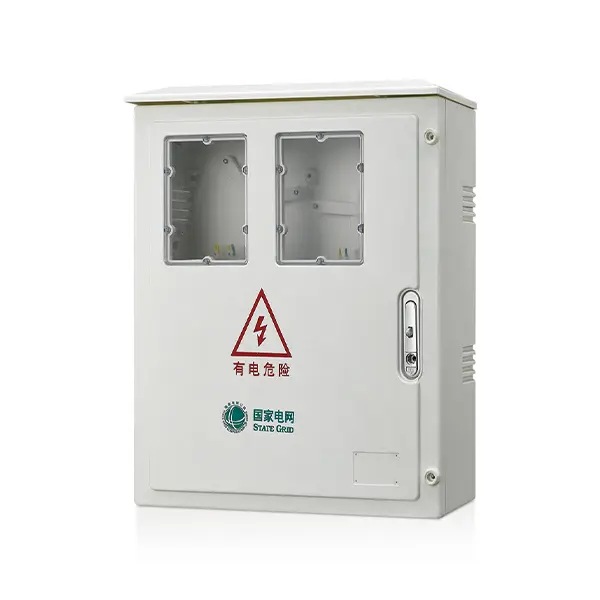
China China TY-SXS3-2B D-Type Box - Durable Electrical Meter Box from Reliable Suppliers and Factory Manufacturer, Manufacturers
Product Description
Main Function
Protection
The D-type box can effectively protect the internal cables and connectors and prevent the external environment (such as water, dust, chemicals, etc.) from damaging the equipment.
Connection & Distribution
The box is designed to connect and distribute cables to ensure stable transmission of power or signals and is suitable for a variety of cable connection needs.
Fault Monitoring
Many D-type boxes are equipped with fault detection and alarm systems, which can detect cable or equipment faults in time and facilitate maintenance and repair.
Safety
By enclosing the cable connections and equipment in the box, electric shock and other safety risks are reduced, and the safety of operation and maintenance is improved.
Easy Maintenance
D-type boxes are usually designed with easy access and maintenance in mind, so that problems can be quickly inspected and dealt with if they arise.
Strong Adaptability
D-type boxes usually have good adaptability and can be customized according to different application needs to meet the requirements of various power and communication systems.
Product Application
Electricity metering type
- Single-phase metering type: suitable for 220V AC power supply system
- Three-phase metering type: suitable for 380V/690V power supply system
Electrical parameters
- Working frequency: compatible with 50Hz/60Hz power grid
- Rated current: 10-250A wide range design
- Functional positioning: integrated solution for power metering and power management
Environmental requirements
Temperature conditions
- Operating temperature range: -25°C to +50°C
- Temperature limit: daily average temperature ≤ 35℃
Humidity conditions
- Standard working conditions: relative humidity ≤80% at 40℃
- Special working conditions: can adapt to higher humidity in low temperature environment
Environmental quality
- No corrosive gas required
- Avoid conductive dust environment
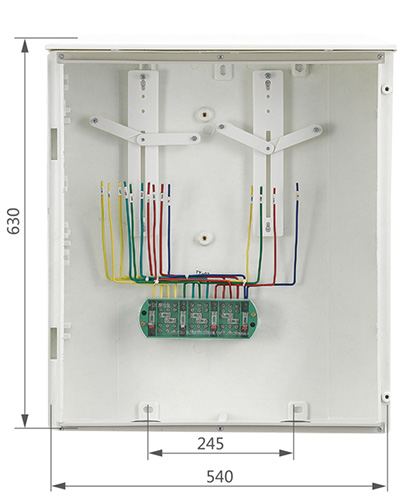
Appearance and installation dimensions
Frequently Asked Questions
Q What is the primary function of a D-type box?
The primary function of a D-type box is to protect internal cables and connectors from external environmental hazards like water, dust, and chemicals, while facilitating connection, distribution, and fault monitoring.
Q What power supply systems are compatible with the D-type box?
It supports single-phase metering systems (220V AC) and three-phase metering systems (380V/690V AC), compatible with both 50Hz and 60Hz power grids.
Q What is the operating temperature range for the D-type box?
The D-type box operates within a temperature range of -25°C to +50°C, with a daily average temperature limit of ≤ 35°C.
Q Can the D-type box handle high humidity environments?
Yes. Under standard conditions, it handles relative humidity ≤80% at 40°C, and it is designed to adapt to higher humidity levels in low-temperature environments.
Q Does the D-type box support fault monitoring?
Yes, many D-type boxes are equipped with fault detection and alarm systems to identify cable or equipment issues quickly, facilitating easier maintenance and repair.