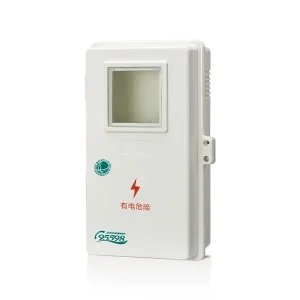
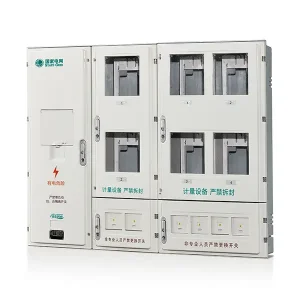
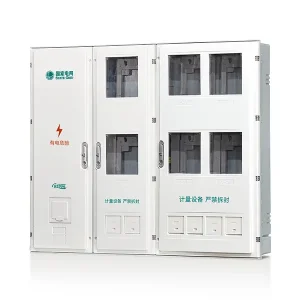
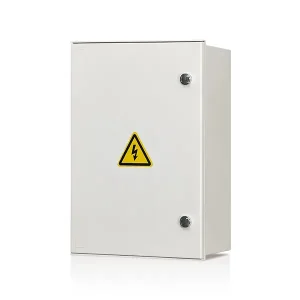
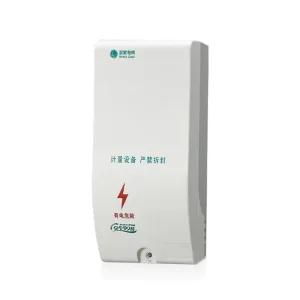
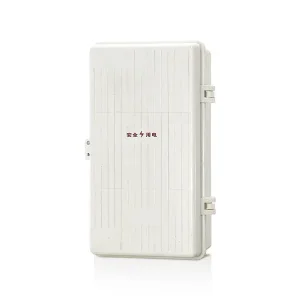
High-Performance Three-Phase & Commercial Metering Units
Pre-engineered solutions designed for direct service-entrance, transformer-type installations, and advanced grid connection systems.
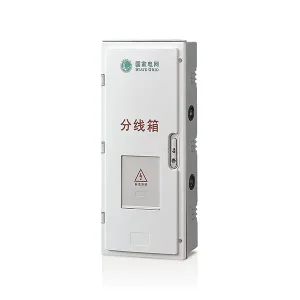
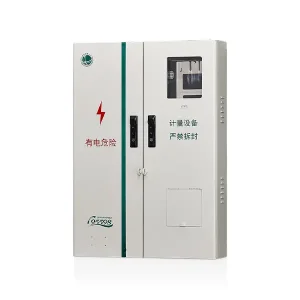
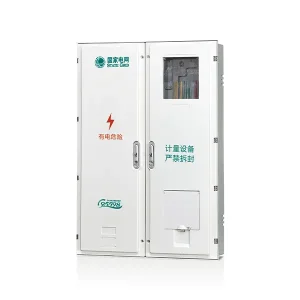
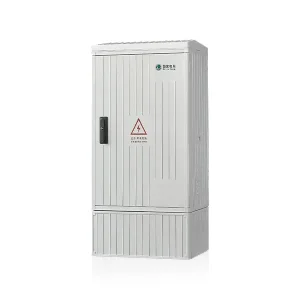
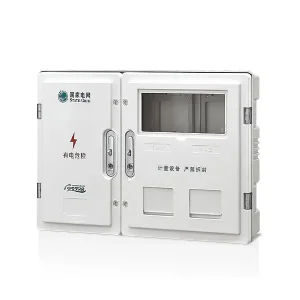
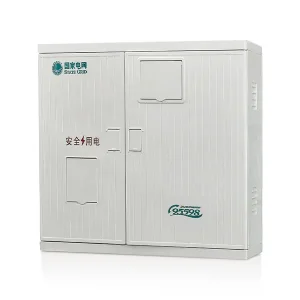
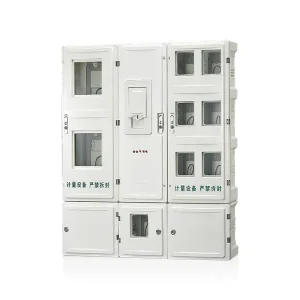
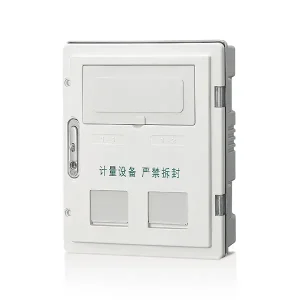
Engineering Integrity: The Core of Three-Phase Power Management
In low-voltage industrial distribution and smart meter deployments (AMI), the three-phase surface meter box is not a passive plastic shell. It is the defensive frontline guaranteeing revenue integrity, worker safety, and uncompromised insulation resistance.
As power utilities migrate from manual electromechanical units toward automated, high-frequency bidirectional AMI smart metering, the physical demands placed on 3 Phase Surface Meter Boxes have changed fundamentally. Zhejiang Teyi Electric Co., Ltd., situated in the core of Yueqing Economic Development Zone—the Electrical Capital of China—leads this technical transition. By integrating advanced Sheet Molding Compound (SMC) thermo-compression techniques with precision CNC stainless steel manufacturing, Teyi Electric resolves the industry’s most critical hurdles: anti-tampering vulnerability, UV-driven polymer embrittlement, galvanic corrosion, and short-circuit thermal stresses up to 30 kA.
Global Grid Evolution & Procurement Drivers
Analyzing shifting international tender criteria across North America, Europe, the Middle East, Southeast Asia, and Latin America.
Non-Intrusive AMI/AMR Data Windows
Global utility tenders (including IEC 62053 and ANSI C12 specifications) now strictly mandate meter enclosures equipped with anti-fogging, UV-stabilized polycarbonate observation apertures. Surface meter boxes must permit infrared optical reading, RF mesh signals, and cellular LoRaWAN/NB-IoT antenna arrays without requiring field technicians to unseal internal compartments.
Aggressive Anti-Tamper & Revenue Protection
Non-technical losses (electricity theft) remain a multi-billion dollar drain on utility balance sheets. Modern three-phase surface installations require separated utility-side and consumer-side compartments, magnetic sensor integration, multi-point tamper-evident seal housings, and non-accessible concealed wiring runs engineered directly into the SMC or 304/316L stainless steel chassis.
Extreme Climate & Coastal Resilience
Procurement teams operating in coastal regions, GCC desert territories, and tropical industrial zones have systematically abandoned standard ABS and mild steel enclosures. The transition toward hot-press molded SMC composite materials eliminates corrosion, thermal deformation at +130°C, and surface degradation under relentless solar irradiation.
China Industry 4.0: Supply Chain Resilience in Yueqing
Why Tier-1 EPC contractors and global utility distributors consolidate their high-voltage and low-voltage manufacturing with Zhejiang Teyi Electric.
Aggregated Component Ecosystem
Operating inside Yueqing’s world-renowned electrical capital ecosystem grants Teyi Electric real-time access to auxiliary switchgear, copper busbars (10A to 250A), terminal blocks, current transformers (CTs), and molded-case circuit breakers (MCCBs). This geographical clustering cuts lead times by 40% compared to fragmented western or inland assembly plants.
Closed-Loop Quality Control Architecture
Teyi implements a multi-stage quality verification protocol covering raw resin viscosity analysis, hydrostatic gasket compression tests, glow-wire flammability verification (up to 960°C per IEC 60695), dielectric breakdown isolation testing, and cyclic climatic chamber validation (-40°C to +80°C).
High-Tonnage Hydraulic Compression
Our heavy-duty hydraulic pressing lines operate under automated mold temperature controls, guaranteeing uniform wall thickness, zero internal porosity, structural rigidity against mechanical impacts (IK10), and dimensional precision for rapid field surface-mounting on masonry, structural steel, or utility poles.
Material Engineering & Operational Matrix
A granular technical comparison between SMC Fiberglass composite and 304/316 Stainless Steel three-phase surface enclosures.
| Evaluation Parameter | SMC Fiberglass Composite (GRP) | Stainless Steel (Grade 304 / 316) | Target Compliance Standard |
|---|---|---|---|
| Dielectric Strength | ≥ 18 kV/mm (Total Double Insulation) | Conductive (Requires Mandatory Earth Bonding) | IEC 61439-1 / IEC 60439 |
| Mechanical Rigidity | IK10 (High Impact Resistance) | IK10+ (Superior Vandalism Defense) | EN 62262 |
| Corrosion & Salt Mist | Inert; Zero Rusting in 1,000h Salt Spray | Excellent (Passivated 304/316 Resistant) | ISO 9227 / ASTM B117 |
| Flammability Rating | UL94 V-0 / Glow-wire at 960°C | Non-combustible Material | IEC 60695-2-11 |
| Designed Service Life | 40+ Yrs (Indoor) / 30+ Yrs (Outdoor) | 25 to 35 Yrs (Environmentally Dependent) | GB/T 20641 / Utility Specs |
| RF / Signal Transparency | Transparent (Native AMI / Smart Grid) | Attenuates RF (Requires External Antenna) | Smart Metering Standards |
| Operating Temperature | -40°C to +130°C | -50°C to +200°C | IEC 60068 Thermal Cycling |
Engineered for Global Grid Demands
Real-world integration blueprints solving specific low-voltage infrastructure challenges.
Dense Urban Residential Complexes
High-rise residential and multi-family buildings utilize multi-position hybrid enclosures (such as Teyi's TY-SXD and TY-SXS configurations). Surface wall-mounting in stairwells and electrical basements guarantees compact grouping, separate isolation switch compartments, fire-retardant segregation, and neat conduit access for low-smoke zero-halogen (LSZH) cabling.
Industrial Parks & CT Metering Hubs
Heavy commercial operations drawing high amperages (>100A) require transformer-rated enclosures like the TY-SXS3. These feature specialized sub-chassis mounting brackets for high-accuracy Current Transformers (CTs), standardized secondary test blocks, clear observation windows, and internal mechanical interlocking mechanisms preventing unauthorized cabinet opening during live operation.
Renewable Energy & Microgrid Tie-Ins
Utility-scale solar farms and commercial distributed generation installations deploy three-phase surface enclosures for bidirectional net-metering. Built-in DIN rails accept surge protection devices (SPDs), DC-to-AC isolator breakers, and microgrid telemetry transceivers, enduring exposed outdoor conditions from -25°C to +50°C with zero degradation.
Frequently Asked Questions: Global Sourcing
Authoritative answers directly from Teyi Electric’s manufacturing and export engineering team.
Specialized Collector, Collector-Branch, and Heavy-Duty Enclosures
Explore Teyi Electric’s precision-engineered units trusted across municipal, commercial, and utility-scale projects.