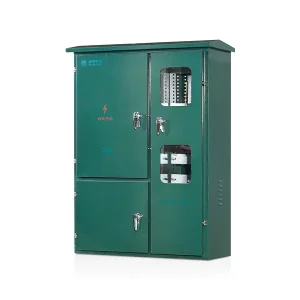
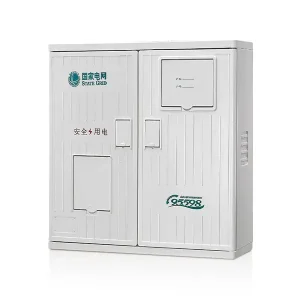
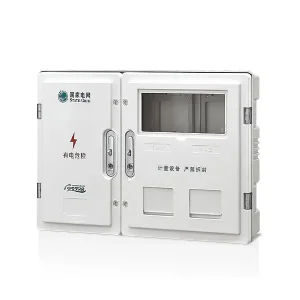
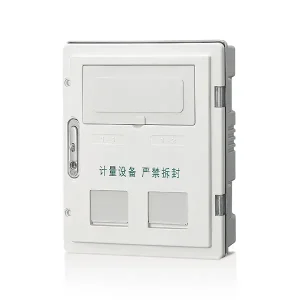
High-Performance Metering & Distribution Assemblies
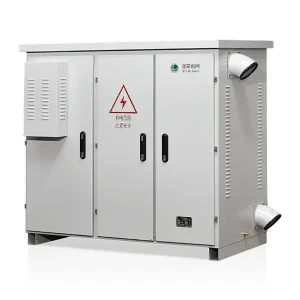
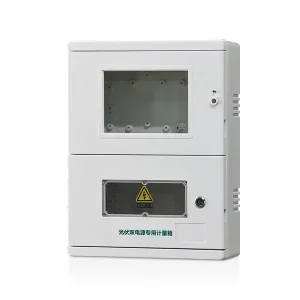
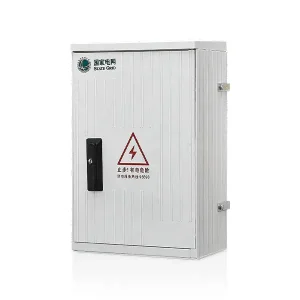
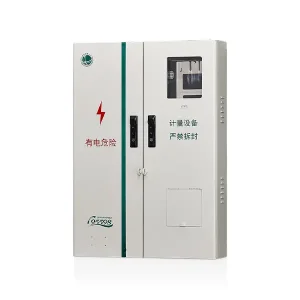
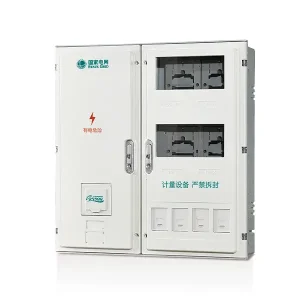
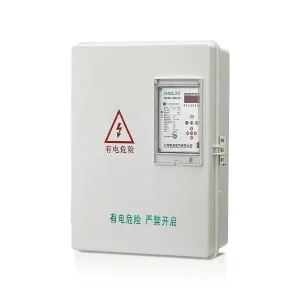
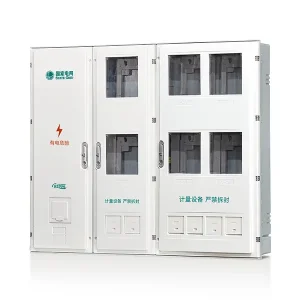
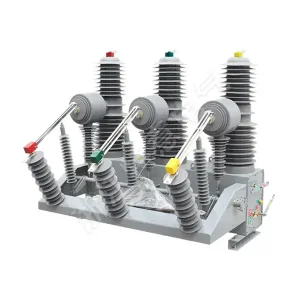
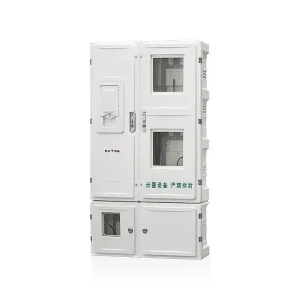
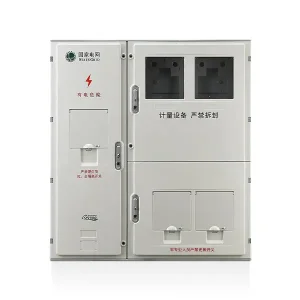
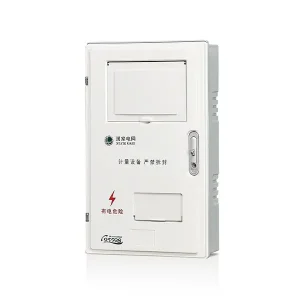
Direct manufacturer deployment of 200 Amp integrated disconnect boxes, modular multi-tenant cabinets, and secondary fusion breakers manufactured in Yueqing, China.
Global Grid Modernization & 200 Amp Infrastructure Dynamics
Critical engineering insights into how global industrial electrification, distributed solar integration, and service entrance upgrades impact metering disconnect requirements.
Grid Edge Decarbonization
Across North America, Latin America, and Southeast Asia, utilities are upgrading historical 100A services to 200 Amp service entrance equipment. The massive rollout of residential EV Level 2 fast chargers, heat pumps, and bidirectional solar PV tie-ins requires standardized enclosures that combine high-precision billing with an external, lockable service disconnect switch.
Severe Environment Resilience
Traditional carbon-steel meter enclosures suffer from corrosion and degradation in coastal and tropical atmospheres. Modern global infrastructure mandates the deployment of compression-molded SMC (Sheet Molding Compound) unsaturated polyester GRP. SMC enclosures eliminate galvanic rust, negate touch-voltage electrocution hazards, and withstand extensive UV exposure.
Utility Revenue & Safety Compliance
Unmetered electricity theft and unauthorized service restoration remain significant operational challenges for utilities worldwide. Our 200 Amp disconnect meter box designs feature dual-compartment physical barriers: a utility-sealed metering chamber accessible only by revenue protection personnel, alongside an independent breaker operating toggle for emergency customer disconnects.
Engineering Standards & Comprehensive Quality Benchmarks
Rigorous manufacturing parameters verified via advanced dielectric withstand testing, thermal cycle analysis, and impact rating verification.
| Performance Parameter | SMC Fiberglass Enclosures | Stainless Steel (304/316) Cabinets | Compliance / Standard Benchmark |
|---|---|---|---|
| Rated Operational Current (In) | 10A to 250A continuous (200A Standard) | Up to 630A customized busbar | IEC 61439-1 / UL 414 / ANSI C12.7 |
| Short-Circuit Withstand (Icw) | 30 kA / 1s rated dynamic stability | 35 kA / 1s dynamic stability | GB/T 7251.1 / IEC 60947-2 |
| Dielectric Insulation Resistance | ≥ 20 MΩ (Inherently non-conductive) | Requires structural ground bonding | IEC 60664-1 Grade III / Overvoltage Cat IV |
| Flammability & Glow-Wire Rating | UL94-V0 self-extinguishing (≥ 960°C) | Non-combustible | IEC 60695-2-11 Glow Wire Test |
| Environmental Protection | IP54 / IP65 water & particulate seal | IP55 / IP66 seamless welded seam | IEC 60529 / NEMA 3R / 4X Equivalent |
| Design Service Life | 40+ Years (Indoor), 30+ Years (Outdoor) | 25 to 40 Years (dependent on alloy grade) | ASTM G154 UV Accelerated Aging Test |
Engineered Deployment Scenarios Across Global Grids
Optimized technical configurations designed to solve localized distribution hurdles across utilities, civil estates, and heavy industries.
Photovoltaic Grid-Tie
Purpose-built for solar systems requiring rapid disconnect during islanding faults. Integrated anti-reverse-power measurement arrays with UV-stabilized SMC enclosures maintain stability under sustained solar irradiance.
Multi-Tenant Developments
Engineered for high-density multi-family buildings and apartment complexes. Compartmentalized layouts support 2 to 12 tenant meters with independent 200 Amp breaker compartments, isolating branch maintenance safely.
Coastal & Island Substations
Engineered specifically to solve saline atmospheric erosion. The glass-fiber reinforced polymer prevents electrolytic breakdown, extending service lifetimes past 30 years without annual repainting or corrosion remediation.
Rail & Heavy Industry
Resistant to high vibration, heavy particulate contamination, and chemical atmospheres. Features heavy-duty copper busbars, flame-retardant barriers, and secure padlock provisions for strict Lockout/Tagout (LOTO) protocols.
Technical Roadmap: Next-Generation Metering Enclosures
Strategic advancements advancing smart-grid telemetry, automated disconnect operations, and circular material lifecycles.
AMI 2.0 & Remote Disconnect
Integration of low-power motorized operating mechanisms within the 200 Amp breaker chamber. Enables automated load-shedding and over-the-air utility service suspension via integrated Cellular IoT, Zigbee, or LoRaWAN communication channels without field technician dispatch.
Thermal & Arc Fault Telemetry
Development of built-in passive RFID and optical temperature sensor arrays placed directly against the 200A main lug joints. Continuous monitoring captures micro-arcing and lug loosening due to cyclical thermal expansion before fire hazards occur.
Recyclable Bio-Resin Composites
Transitioning toward recyclable thermoset resins and bio-based composite matrices. This lowers scope-3 embedded carbon footprints for municipal utility tenders while preserving full dielectric breakdown resistance and UL94-V0 self-extinguishing properties.
Frequently Asked Technical & Sourcing Questions
Detailed engineering explanations answering the core operational questions raised by global EPC contractors, utility engineers, and procurement directors.
Why is a 200 Amp rating the modern standard for disconnect meter enclosures?
A 200 Amp service entrance accommodates the substantial continuous load increases driven by electric vehicle charging (EVSE), residential electrification, and high-efficiency heat pumps. Providing a unified 200 Amp disconnect inside or immediately adjacent to the meter box prevents secondary service fires and ensures full compliance with modern electrical codes.
What structural advantages does SMC composite provide over stainless steel?
While 304/316 stainless steel offers high mechanical rigidity, SMC (Sheet Molding Compound) is inherently non-conductive, completely eliminating dangerous ground faults on the enclosure shell. SMC does not dent, is immune to atmospheric chloride corrosion in oceanfront installations, and features a molded-in gray coloration that never requires maintenance painting.
How does Teyi Electric ensure short-circuit fault containment?
Our enclosures and internal copper busbars undergo rigorous short-time withstand current testing rated up to 30 kA for 1 second. The compression-molded SMC polymer features structural reinforcing ribs and self-extinguishing additives (UL94-V0) capable of withstanding internal arc flash blast pressures without shattering.
Can you provide custom meter base knockouts and locking systems for utilities?
Yes. Through our factory-direct OEM/ODM technical pipelines, we regularly mold custom conduit knockouts, clear polycarbonate viewing windows, and specialized barrel-lock or hasp seals tailored to proprietary regional utility regulations and smart meter forms.
Engineered Metering Cabinets & Distribution Assemblies
Explore our heavy-duty three-phase stainless steel metering cabinets, photovoltaic grid enclosures, and cable branch systems manufactured to stringent utility guidelines.