
Priority Distribution Enclosures for Portuguese Utilities
Engineered for full interoperability with E-REDES transmission thresholds, renewable solar farm tie-ins, and Atlantic maritime atmospheric resilience.
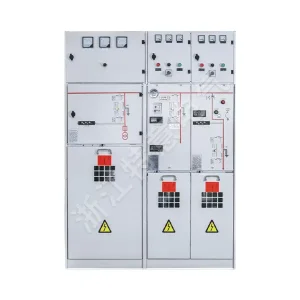
Portugal Grid-Certified Ring Main Unit (RMU) for Secondary Substation Distribution
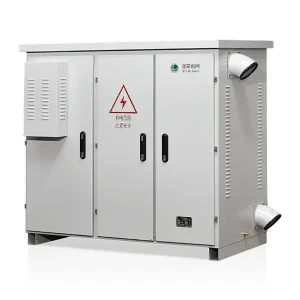
Stainless Steel JP Cabinet for Portugal Industrial & Solar PV Distributed Parks
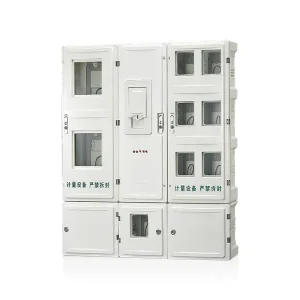
Three-Phase Two-Position & Single-Phase Six-Position Meter Box TY-SXD2+SXS2-1B (Portugal Urban Standard)
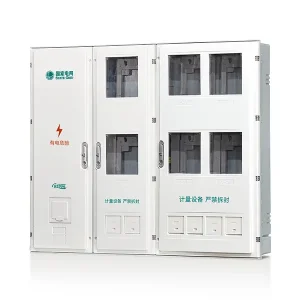
TY Three-Phase Commercial Electric Energy Metering Enclosure for Portuguese Smart Grid Networks
Electrical Infrastructure Transformation in Portugal & Global Markets
A macro-level operational overview of Portugal's national grid decarbonization, utility tender compliance, and supply chain dynamics.
The Portuguese electrical grid represents one of the European Union's most rapidly evolving decarbonization environments. Under the directives of Portugal's National Energy and Climate Plan 2030 (PNEC 2030), the republic has set unprecedented milestones: striving to generate more than 85% of its electricity from renewable sources before the close of the decade. The physical realization of this aggressive pivot rests directly upon the distribution network operated primarily by E-REDES (formerly EDP Distribuição), along with the high-voltage transmission infrastructure managed by REN (Redes Energéticas Nacionais). For electrical equipment manufacturers, EPC contractors, and global supply partners, this structural shift introduces both stringent technical challenges and immense procurement volumes.
Historically, low-voltage distribution in urban centers like Lisbon, Porto, Braga, and Coimbra utilized traditional metal cabinets and sheet-steel metering assemblies. However, Portugal's unique geographical positioning along the Atlantic seaboard creates aggressive microclimates characterized by dense marine aerosol, constant humidity, and intense ultraviolet solar radiation—most notably across the southern plains of the Alentejo and the Algarve. Galvanized and standard painted metals invariably succumb to oxidation, pinhole corrosion, and insulation degradation within 8 to 12 years, forcing utility operators to bear substantial recurring maintenance expenditures (OPEX) and heightened safety risks associated with enclosure grounding failures.
Consequently, the procurement preference across the Iberian peninsula has decisively gravitated toward compression-molded Sheet Molding Compound (SMC) unsaturated polyester glass-fiber reinforced plastic (GRP) enclosures alongside heavy-gauge, passivated stainless steel (AISI 304 and 316L) assemblies. SMC composites provide total electrical insulation (Class II dielectric isolation), intrinsically eliminating the threat of step-and-touch voltage hazards even in saturated coastal environments. Furthermore, as municipal smart meter rollouts (AMI / PLC / RF networks) achieve near 100% deployment across Portugal's five million grid points, enclosures must exhibit high dielectric transparency to ensure uninterrupted automated meter reading (AMR) signals—a distinct operational advantage over Faraday-shielding traditional sheet steel.
Globally, the medium- and low-voltage distribution manufacturing landscape is navigating an identical transition toward circularity, environmental safety, and digital asset tracking. The ongoing revision of the European Union's F-gas regulations has accelerated the phase-out of Sulphur Hexafluoride (SF6) gas-insulated switchgear in favor of clean air, solid dielectric, and vacuum interrupter medium-voltage Ring Main Units (RMUs). Concurrently, the proliferation of decentralized solar photovoltaic generation, electric vehicle charging infrastructure (MOBI.E network integration), and battery energy storage systems (BESS) demands multi-position, bidirectional metering enclosures that accommodate advanced secondary fusing, current transformer (CT) assemblies, and intelligent remote telemetry units (RTUs). As an established, certified supplier operating from Yueqing's premier manufacturing ecosystem, Teyi Electric delivers tier-one engineering value to Portuguese contractors, balancing full IEC compliance with direct-from-factory commercial agility.
C5-M Atmospheric Resilience
Specially formulated with UV stabilizers and non-hygroscopic resins, our SMC fiberglass housings withstand saline mist, acid condensation, and intense Iberian ultraviolet degradation without chalking or loss of flexural modulus.
Smart Grid & AMI Transparency
Unlike sheet metal cabinets that block high-frequency cellular and radio signals, SMC dielectric enclosures allow transparent RF, NB-IoT, and GPRS transmissions for real-time telemetry and E-REDES smart meter connectivity.
Modular Tender Customization
Comprehensive OEM/ODM capability allows precise fabrication matching Portuguese utility cadernos de encargos (tender specs), including triangular utility locks, laser-engraved schematics, and segregated CT metering bays.
Localized Application Scenarios Across Continental Portugal
From high-capacity solar installations in Evora to deep-water harbor electrification in Sines, tailored solutions answer demanding regional criteria.
Deploying low- and medium-voltage electrical hardware across Portugal requires strict consideration of geographic and environmental diversity. In the interior Alentejo region, utility-scale photovoltaic parks and decentralized agri-voltaic projects endure prolonged seasonal heatwaves, where ambient temperatures regularly exceed 42°C with surface enclosure temperatures climbing past 70°C. For these installations, standard plastic distribution boxes suffer rapid thermal warping and embrittlement. Teyi Electric's high-tonnage compression-molded SMC enclosures, rated for continuous operational thermal stability up to 130°C and cold endurance down to -40°C, guarantee uninterrupted service for DC string combiners, inverter AC collection panels, and auxiliary revenue metering.
Conversely, the urban modernization programs transforming the metropolitan zones of Greater Lisbon and Porto demand compact, high-density distribution architecture. Multi-dwelling residential condominiums and historic commercial rehabilitation projects require space-optimized metering centers. The TY-SXD and TY-SXS multi-position series integrate separate incoming breaker compartments, busbar distribution chambers, and individual meter viewing windows equipped with high-impact polycarbonates. These units comply directly with Portuguese building safety codes (Regulamento Técnico de Segurança contra Incêndio em Edifícios - SCIE), exhibiting self-extinguishing flame-retardant properties under UL94 V-0 and glow-wire flammability indices exceeding 960°C.
In coastal industrial zones—such as the Port of Sines energy cluster, the Setúbal industrial corridor, and the Aveiro shipyards—atmospheric exposure to chlorides demands superior ingress protection (IP65/IP66) and high mechanical impact resistance (IK10). In these environments, stainless steel JP cabinets and transformer-type three-phase metering enclosures provide the necessary structural rigidity to resist hydraulic spray, airborne particulates, and accidental heavy equipment collisions, securing critical control systems for port cranes, cold ironing shore-power junctions, and chemical processing facilities.
| Performance Parameter | SMC Fiberglass Enclosures (GRP) | Stainless Steel Cabinets (AISI 304/316L) | Standard Galvanized Steel (Conventional) |
|---|---|---|---|
| Dielectric / Insulation Protection | Total Class II Insulation (No grounding risk) | Conductive (Requires dedicated ground bonding) | Conductive (Corrosion compromises grounding path) |
| Atlantic Coastal Resistance (ISO 12944) | Immune to chemical corrosion & salt fog (C5-M equivalent) | Exceptional passivation resistance (Recommended C5-M / CX) | Prone to surface rust & pitting within 5–7 years |
| Impact Resistance Class (EN 62262) | IK10 (Resists 20 Joules impact) | IK10+ (Highest mechanical crush resistance) | IK08–IK09 (Deforms on high impact) |
| Thermal Stability Range | -40°C to +130°C (Non-deforming under UV thermal loads) | -50°C to +200°C | -20°C to +80°C (Protective coating degrades) |
| Smart Metering RF Signal Pass-Through | 100% Transparent (Optimal for PLC, 4G, NB-IoT) | Blocks RF signals (Requires external antenna penetrations) | Blocks RF signals (Requires external antenna penetrations) |
| Lifecycle Value (LCC) for Portuguese EPCs | Lowest (30–40 yr maintenance-free operation) | Moderate to High (Specialized high-end industrial fit) | High total cost due to frequent repainting & replacements |
Looking toward the technological horizon, the Portuguese energy ecosystem is prioritizing secondary substation automation. Teyi Electric's R&D roadmap directly addresses this trajectory through the integration of Primary and Secondary Fusion Pole-Mounted Vacuum Circuit Breakers and smart Ring Main Units. By embedding electronic current/voltage sensors (EVCS) and remote terminal units directly into the switchgear housing, our systems provide Portuguese grid engineers with localized fault detection, isolation, and service restoration (FDIR) capabilities. This automation minimizes System Average Interruption Duration Index (SAIDI) metrics across rural mountain distribution circuits in the Serra da Estrela and Norte regions, where line access during adverse winter conditions is severely restricted.
Macro-Level Utility Solutions for EPC Contractors & Wholesalers
End-to-end electrical distribution ecosystems configured to reduce on-site commissioning time and simplify tender qualification.
Executing utility-scale transmission and distribution contracts in Portugal necessitates a unified supply chain strategy. Fragmented sourcing—procuring raw enclosures from one fabricator, switchgear components from another, and terminal blocks from third parties—introduces dimensional tolerances mismatches, compliance disputes, and prohibitive lead-time penalties. Teyi Electric resolves this bottleneck by serving as a consolidated original equipment manufacturer and engineering partner.
Our macro engineering solutions encompass comprehensive packages tailored for three primary Portuguese market vectors:
1. Turnkey Photovoltaic & Storage Medium-Voltage Interconnections: Integrating compact, weather-sealed outdoor Ring Main Units coupled directly with secondary metering cabinets and surge protection units. These packages are engineered to interface seamlessly with Portuguese inverter protocols, providing overcurrent, ground-fault, and islanding protection directly at the medium-voltage point of common coupling (PCC).
2. Municipal Multi-Family AMR Metering Consolidation: Standardized SMC assemblies that accommodate anywhere from 2 to 12 energy meters in a single compact footprint. Configured with segregated utility-sealed sections and consumer-accessible circuit breaker panels, these units streamline meter inspection, reduce unauthorized electricity diversion, and drastically shorten installation man-hours for residential electrical contractors.
3. Rural Feeder Protection & Fault Isolation: Pole-mounted vacuum circuit breaker stations equipped with primary and secondary fusion mechanisms. Designed to withstand lightning surges and high thermal swings across Portuguese agricultural districts, these units protect main distribution trunks from localized consumer branch faults, preventing cascading blackout events.
Equipping a Power Distribution Project in Portugal?
Request full engineering schematics, type-test certificates (IEC 61439 / IEC 62271), and tailored factory-direct pricing for Portuguese tenders and distribution networks.
Wholesale Electric Energy Enclosures & Breakers Available for Portugal Delivery
Manufactured to rigorous international standards with direct logistics support to Leixões, Lisbon, and Sines deep-water terminals.
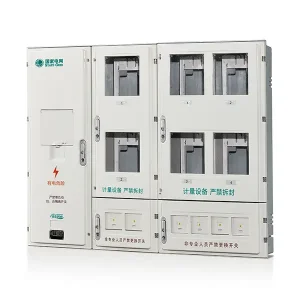
TY Series Three-Phase Electric Energy Metering Enclosure for Portuguese Regional Grids
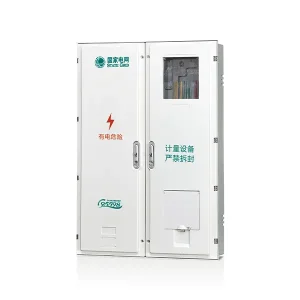
TY-SXS3 Three-Phase Energy Metering Box (Current Transformer Type) for Portuguese Industrial Plants
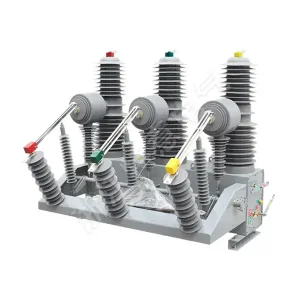
Primary & Secondary Fusion Pole-Mounted Vacuum Circuit Breaker for Portuguese Rural Feeder Networks
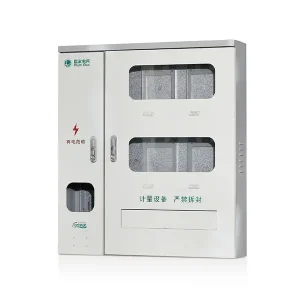
Stainless Steel Three-Phase Direct-Entry Metering Cabinet for Heavy Commercial Installations
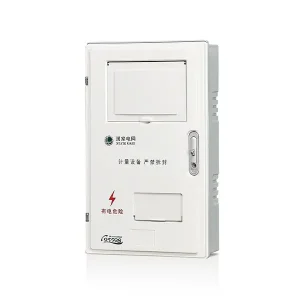
TY-SXS1 Compact Single-Position Three-Phase Electricity Metering Box for Residential Infrastructure
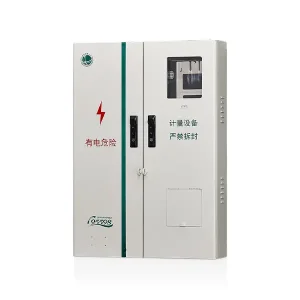
Marine-Grade Stainless Steel Three-Phase Distribution Cabinet for Portuguese Coastal Facilities
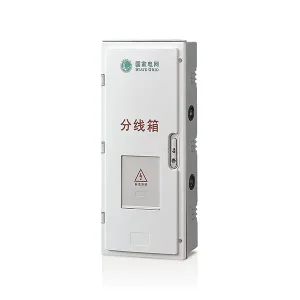
Flame-Retardant TY-FXX Multi-Branch Junction Box Series for High-Density Commercial Conduits
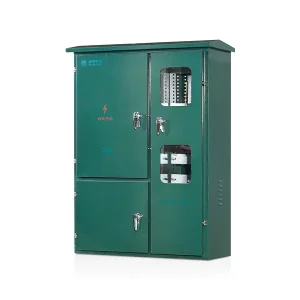
Industrial-Grade Stainless Steel Three-Phase Power Metering Cabinet (Direct Portuguese Supply)
Frequently Asked Questions by Portuguese EPCs & Wholesalers
Comprehensive answers regarding utility approvals, international shipping logistics, material certifications, and custom fabrication.
Are Teyi Electric enclosures compliant with E-REDES and Portuguese utility standards?
Yes. Our metering boxes and distribution cabinets are manufactured in strict alignment with IEC 61439-1/2 (Low-voltage switchgear and controlgear assemblies) and IEC 62208 (Empty enclosures for low-voltage switchgear). Through our tailored OEM/ODM engineering programs, we customize knockout dimensions, busbar arrangements, viewing windows, and triangle/padlock sealing tabs to match Portuguese tender technical schedules (Cadernos de Encargos).
How does SMC fiberglass perform against the heavy Atlantic marine salinity in Portugal?
Sheet Molding Compound (SMC) unsaturated polyester reinforced with glass fibers is intrinsically non-metallic and immune to electrochemical oxidation. In continuous coastal salt spray tests exceeding 1,000 hours (ASTM B117), our enclosures exhibit zero surface degradation, rust, or reduction in mechanical flexural strength, making them far superior to painted steel in marine regions such as Porto, Sines, and the Algarve.
What is the typical transit duration and freight route for bulk orders shipped to Portugal?
Bulk orders are packaged in seaworthy, reinforced export crates and loaded into direct maritime containers departing Ningbo or Shanghai. Typical deep-water shipping to the Port of Sines or the Port of Leixões (Porto) takes approximately 28 to 35 days. For urgent project phases or tender pre-qualification sample evaluations, expedited air freight delivery is available in 5 to 7 working days.
Can you supply complete third-party type test reports for local municipal tenders?
Absolutely. We provide full laboratory type-test certifications issued by recognized international testing authorities (including CE conformity, RoHS compliance, IP65/IP66 ingress protection ratings, IK10 mechanical impact ratings, and glow-wire flammability certifications up to 960°C). These documentation packages are fully structured for seamless inclusion in Portuguese public and private procurement tenders.
Do you support customized branding and OEM labeling for Portuguese distributors?
Yes. A large share of our export production is conducted under private-label OEM agreements. We offer custom exterior mold engraving, laser-etched corporate logos, customized wiring diagrams silkscreened on interior door leaves, and bespoke barcoding matching your local enterprise resource planning (ERP) inventory systems, backed by strict non-disclosure agreements (NDAs).
What minimum order quantities (MOQ) apply for direct wholesale procurement?
Standard production catalog items typically require an MOQ of 50 to 100 units depending on enclosure dimensions. For fully customized ODM molds requiring dedicated tooling, initial batch volumes are tailored to the scale of your utility framework contract. Evaluation samples for engineering validation and pilot installations can be dispatched immediately upon technical drawing sign-off.
Establish Direct Factory Supply for the Iberian Grid
Connect directly with our senior electrical application engineers to review tender technical specifications, request physical material samples, and secure competitive volume pricing.