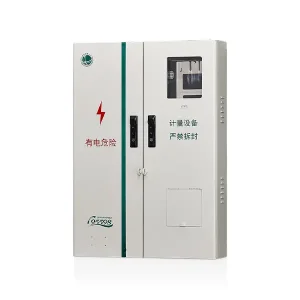
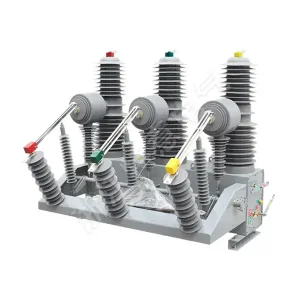
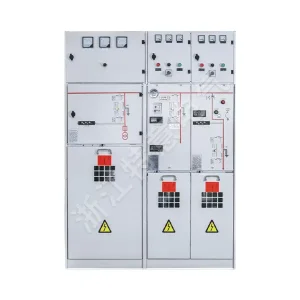
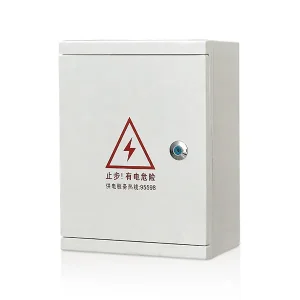
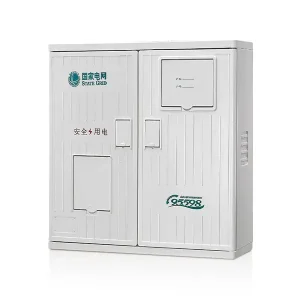
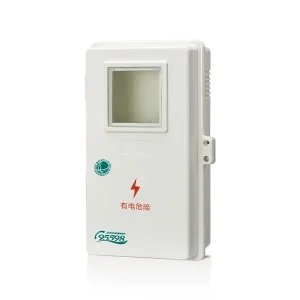
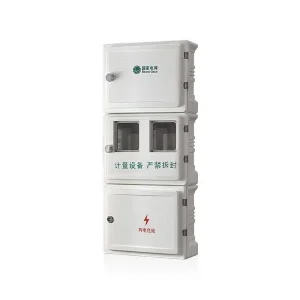
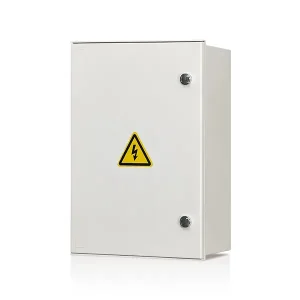
High-Priority Metering & Distribution Assemblies
Pre-engineered, factory-tested enclosures and branch solutions ready for immediate utility deployment and EPC procurement.
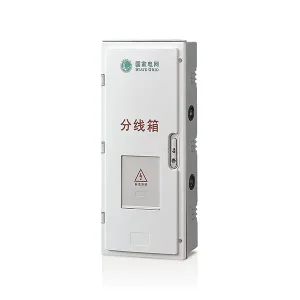
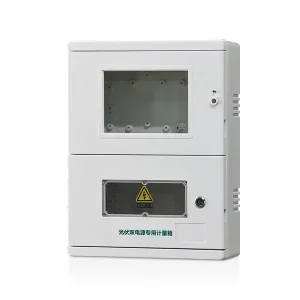
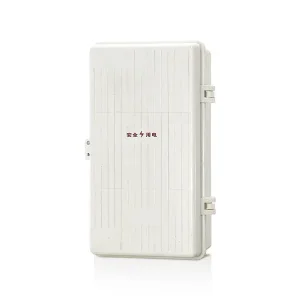
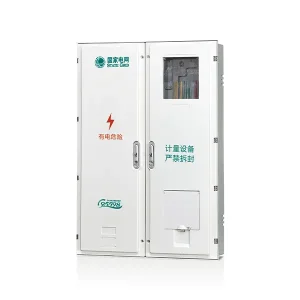
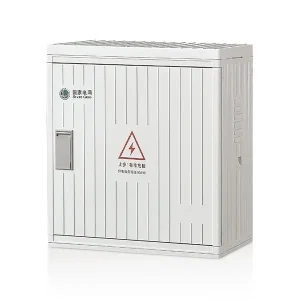
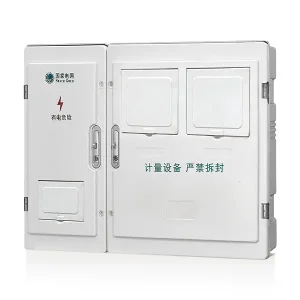
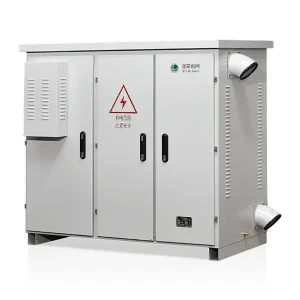
Global Grid Modernization: The Shift Toward Smart Ring Main Units
An engineering executive overview of medium-voltage distribution infrastructure, short-circuit withstand tolerances, and modular scalability.
Across both transmission borders and secondary sub-stations, medium-voltage (MV) distribution architecture faces unprecedented technical transformation. Driven by the distributed generation of renewables, high-density metropolitan urbanization, and heavy fleet vehicle electrification, the global demand for Ring Main Units (RMU) and medium-to-low voltage switchgear has grown beyond basic electrical circuit isolation. Modern procurement entities—ranging from sovereign transmission utilities to specialized Engineering, Procurement, and Construction (EPC) consortiums—now treat RMU assets as foundational data and switching hubs.
Traditionally, secondary distribution relied on static Gas-Insulated Switchgear (GIS) utilizing sulfur hexafluoride (SF6) for compact arc-quenching. However, emerging F-gas regulatory mandates in Europe, North America, and parts of the Asia-Pacific region are accelerating factory R&D into alternative dielectrics. Forward-thinking original equipment manufacturers (OEMs) have shifted production to clean dry air, synthetic air, and solid dielectric insulation (SIS), paired with high-performance vacuum interrupters. This structural design mitigates severe environmental liabilities while preserving the ultra-compact physical footprints vital for inner-city kiosks, underground modular substations, and wind turbine tower bases.
Simultaneously, the convergence of primary circuit mechanics and Distribution Automation Systems (DAS) has transformed switchgear reliability engineering. Contemporary switchgear lineups are no longer purely passive thermal conductors; they incorporate native sensor suites, optical fiber temperature monitors, and IEC 61850-compliant Feeder Terminal Units (FTUs). This sensory integration empowers distribution operators with real-time fault detection, isolation, and service restoration (FDIR), shrinking system average interruption duration indices (SAIDI) to absolute historical minimums.
Future-Proof Engineering: Architecture & Lifecycle Trajectory
How cutting-edge industrial factories tackle lifecycle degradation, thermal escalation, and automated telemetry in mission-critical networks.
Hermetic Stainless Tank Integrity
Laser-welded 304 or 316L stainless steel enclosures sealed for life (exceeding IEC 62271-200 IP67 standards). Complete immunity to saline moisture, sulfur industrial pollution, and temporary submersible floods.
Eco-Dielectric Vacuum Interruption
Next-generation interrupter chambers replace greenhouse gases with precision ceramic-shielded vacuum bottles embedded in epoxy resin, preventing partial discharge risks under high ambient humidity swings.
Integrated RTU & FTU Automation
Plug-and-play connection bays housing microprocessors, backup supercapacitors, and directional fault sensors communicating directly with SCADA protocols (DNP3, Modbus, IEC 60870-5-104) without external converters.
Dynamic Thermal Telemetry
Passive surface acoustic wave (SAW) sensors affixed on copper busbar connections monitor real-time junction heating, flagging high-resistance contact deterioration before flashover events occur.
SMC Composite Armor Enclosures
Heavy compression-molded Sheet Molding Compound (SMC) outers delivering mechanical impact resilience rated up to IK10, zero flame spread (UL94-V0), and over 40 years of structural life in corrosive coastal air.
Macro-Industry Utility & Industrial Infrastructure
Tailored topologies engineered to resolve intermittent generation instability, critical manufacturing uptime, and multi-tenant billing verification.
Commercial & Utility Photovoltaic Plants
PV collector yards face wide ambient thermal cycling and reverse power feeding. Our integrated solar combiner hubs, pole-mounted circuit breakers, and SMC grid-connected metering enclosures ensure bi-directional measurement compliance, surge protection (Type I/II), and seamless inverter synchronization across multi-megawatt fields.
Petrochemical & Continuous Heavy Process
Unplanned downtime in refineries or chemical synthesis plants generates enormous operational losses. We deploy customized, arc-classified stainless steel metering assemblies and pressurized switchgear line-ups designed to isolate transient ground faults within milliseconds, preserving auxiliary motor continuity.
Metropolitan Rail Transit & Infrastructure
Traction substations and commercial passenger terminals require robust, dual-source ring looping. Compact SF6-free or solid-insulated RMUs maintain redundant station power delivery, automatically isolating catenary line-fault branches while protecting critical signaling, HVAC, and ventilation assets.
Engineering & B2B Wholesale FAQ
Critical verification parameters, international type-testing standards, and production guidelines for utility procurement officers.
What type tests validate your RMU and switchgear equipment?
All core switchgear and RMU assemblies undergo third-party type verification conforming strictly to IEC 62271-1, IEC 62271-200, and GB/T 3906 standards. Testing mandates include short-time withstand current (31.5 kA/4s), peak withstand, internal arc classification (IAC AFLR up to 20 kA/1s), mechanical endurance (class M2: 2000 operations), and lightning impulse withstand tests.
How does SMC fiberglass construction prevent enclosure corrosion?
Sheet Molding Compound (SMC) is an unsaturated polyester resin heavily reinforced with multi-directional glass fibers molded under 1000-ton hydraulic compression at over 150°C. The non-metallic composition offers zero galvanic oxidation, complete acid-alkali resistance, intrinsic dielectric insulation (eliminating touch voltage hazards), and extreme UV-stabilization.
Can internal layouts accommodate local utility automation units?
Yes. As a factory direct OEM/ODM supplier based in Yueqing, our engineering division adapts incoming/outgoing circuit dimensions, busbar centerlines, CT/PT metering racks, lockable viewing windows, and auxiliary compartments to house specific utility-mandated smart terminals, including ABB, Siemens, or custom SCADA-ready microprocessors.
What is the standard manufacturing lead-time for large orders?
Standard model evaluations and verification prototypes ship within 7 to 12 working days. High-volume utility container contracts typically execute within 25 to 35 calendar days from final approval of engineering drawings, sustained by localized raw material supply networks across China's Electrical Capital.
Advanced Secondary Switchgear & Branch Distribution Units
Complete your grid network with specialized outdoor pole breakers, ring main nodes, and weather-sealed metering infrastructure.