Direct Factory Catalog · Part I
Primary Grid Metering & Branch Enclosure Assemblies
Pre-engineered, type-tested distribution enclosures and high-performance branch equipment ready for integration with pole-mounted sectionalizers and substation feedouts.
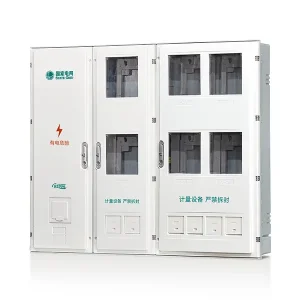
Wholesale China TY Single-Phase Electric Energy Metering Box
View Technical Specs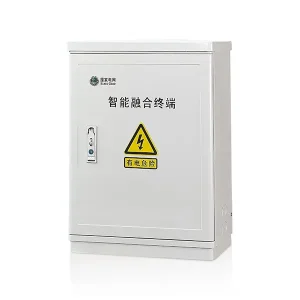
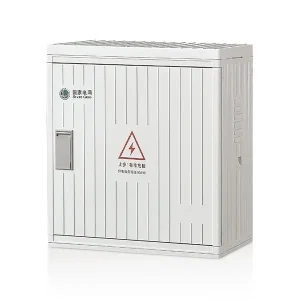
China TY-TTU Intelligent Fusion Terminal Box Power Solutions
View Technical Specs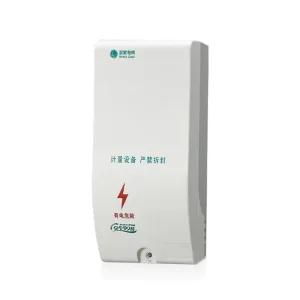
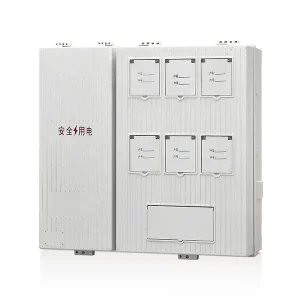
Wholesale China TY-SXD1-FX Single-Phase Distribution Box
View Technical Specs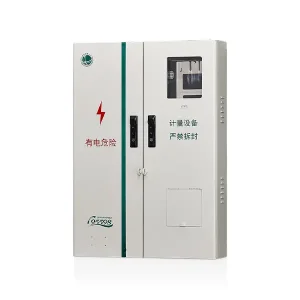
Stainless Steel Three-Phase Electric Energy Metering Box (Hanging Type)
View Technical Specs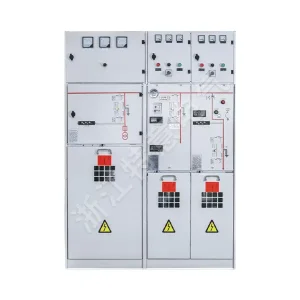
Wholesale China Ring Main Unit (RMU) Power Distribution Solutions
View Technical Specs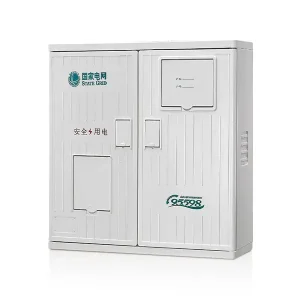
LV A-Type Box TY-SXS1-AXJ & HV Box TY-SXS1-AGXJ
View Technical Specs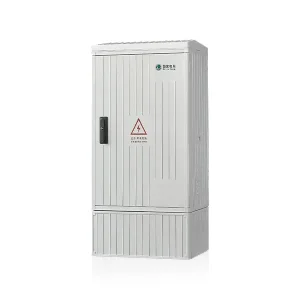
Wholesale TY-DFW Floor-Standing Cable Branch Box Solutions
View Technical Specs
Global Macroeconomic Analysis
Worldwide State of Pole Mounted Switchgear & Feeder Automation
How the convergence of grid decentralization, renewable interconnections, and extreme weather resilience is transforming medium-voltage network protection.
The Grid Modernization Imperative: Transitioning from Passive to Active Distribution
The global overhead medium-voltage (MV) distribution network is undergoing the most radical operational transition in its history. Historically treated as simple "fit-and-forget" manual sectionalizing points, pole-mounted circuit breakers (commonly deployed as Automatic Circuit Reclosers or ACRs) have become the mission-critical edge compute nodes of modern distribution networks. In mature economies across North America, the European Union, and Australasia, aging radial infrastructure is confronting unprecedented reverse power flows driven by utility-scale and distributed rooftop solar (PV), electric vehicle charging hubs, and localized microgrids. Without automated directional overcurrent, earth fault, and negative phase sequence protection mounted directly on the feeder line, these fluctuating distributed energy resources (DERs) destabilize substation busbars and compromise SAIDI (System Average Interruption Duration Index) metrics.
Simultaneously, developing grids throughout Latin America, Southeast Asia, and Sub-Saharan Africa are rapidly unrolling rural electrification initiatives. These expansive networks require robust, low-maintenance outdoor vacuum reclosers capable of surviving severe lightning strikes, transient vegetation strikes, and humid monsoon environments. To resolve these operational hurdles, procurement engineers are aggressively shifting away from traditional oil-insulated or greenhouse-gas-emitting sulfur hexafluoride (SF6) gas switchgear toward eco-friendly solid-dielectric (hydrophobic cycloaliphatic epoxy - HCEP) vacuum circuit breakers paired with microprocessor-based intelligent electronic devices (IEDs).
Key Market Trajectory: According to global utility benchmark reports, the worldwide overhead distribution automation switchgear market is expanding at a CAGR exceeding 6.4%, with smart pole-mounted circuit breakers dominating over 54% of capital expenditure allocations. The primary procurement priority is the migration to self-healing grids utilizing decentralized FLISR (Fault Location, Isolation, and Service Restoration) architectures.
Solid Dielectric Interruption
Eliminating sulfur hexafluoride (SF6) avoids regulatory carbon taxation and catastrophic seal degradation risks. Solid epoxy potting guarantees lifetime hermetic sealing against extreme oceanic salinity, moisture, and dust penetration.
- Hydrophobic cycloaliphatic epoxy (HCEP) molding
- Zero gas maintenance, zero pressure monitoring
- Ultra-low partial discharge (< 5 pC at 1.2 Un)
Magnetic Actuator Longevity
Replacing traditional complex mechanical spring springs with single-coil or dual-coil permanent magnetic actuators eliminates hundreds of mechanical wear parts, ensuring repeatable trip times under severe ice and sub-zero conditions.
- Exceeds 10,000 to 30,000 full-duty operations
- Instantaneous opening time: ≤ 25 ms
- Maintenance-free mechanical lifecycle
Native SCADA & FLISR Protocols
Smart pole reclosers feature intelligent fusion terminal units (TTU/FTU) delivering autonomous section restoration via embedded DNP3.0, IEC 60870-5-101/104, and IEC 61850 protocol suites over cellular 4G/5G, fiber optic, or satellite links.
- Bidirectional active/reactive power metering
- Class 0.2S high-accuracy Rogowski coils & CTs
- Self-healing loop automation capabilities
The Yueqing Supply Chain Engine
Chinese Manufacturing Efficiency & Supply Chain Mastery
Why Tier-1 Chinese switchgear manufacturers offer unbeatable lead times, rigorous quality repeatability, and economic total cost of ownership (TCO).
100-Kilometer Hyper-Clustered Ecosystem
Centered in Yueqing, Wenzhou—China's recognized Electrical Capital—manufacturers leverage instant access to every tier of raw materials and sub-components. From oxygen-free copper busbars and specialized APG vacuum interrupter castings to galvanized mounting hardware and SMC weatherproof metering enclosures, the complete bill-of-materials is sourced within hours, bypassing international supply chain bottlenecks.
Stringent Type-Testing & Verification
Leading Chinese export facilities partner with CNAS-accredited and international test houses (such as KEMA, CESI, and XIHARI). Switchgear designs undergo rigorous short-circuit breaking capacity tests (up to 25 kA / 31.5 kA), lightning impulse withstand voltage verification (BIL up to 170 kV or 200 kV peak), and cyclic aging in accelerated salt spray and UV environmental chambers.
High Capital Efficiency & OEM Flexibility
Automated automated vacuum epoxy injection lines, robotic laser cutting, and standardized modular tooling dramatically lower capital costs compared to Western boutique manufacturing. International utilities and distributors can customize terminal block layouts, bushing insulator creepage distances, and auxiliary power supplies (integrated VT or solar DC backup) without heavy engineering surcharges.
Engineering Deployments
Localized Applications & Future Industry Trajectories
Engineered to perform in harsh topologies: from coastal saline installations to high-altitude mountain grids and industrial microgrids.
Utility Solar & Distributed Renewables
When community solar farms and industrial wind turbines feed directly into medium-voltage distribution feeders, pole mounted circuit breakers equipped with directional power flow relays prevent backfeeding anomalies, protect local step-up transformers, and execute anti-islanding trip sequences within milliseconds during upstream utility blackouts.
Coastal & Tropical Extreme Environments
Island and littoral grids endure extreme humidity, saline mist, and frequent typhoons. Deploying grade 304 or 316 stainless steel enclosures combined with silicone rubber or hydrophobic cycloaliphatic resin bushings provides extended creepage distances (exceeding 31 mm/kV), successfully eliminating flashover accidents and surface track degradation.
Rural Long-Distance Radial Feeders
Expansive rural distribution systems suffer from persistent temporary faults caused by wildlife interactions, wind-blown tree branches, and lightning strikes. Intelligent automatic reclosers execute customizable reclosing duty sequences (such as O-0.3s-CO-2s-CO) to clear up to 85% of transient issues autonomously, preventing long, costly service truck dispatches.
Global EPC & Utility Procurement Mandates: What Buyers Require
International bidding tenders issued by state power boards, regional utilities (such as Enel, EDF, or Eskom), and turn-key EPC infrastructure firms mandate stringent compliance standards that separate low-tier assembly shops from qualified industrial manufacturers:
1. Standard Harmonization (IEC vs. ANSI/IEEE): North and South American tenders typically demand adherence to ANSI/IEEE C37.60 / IEEE C37.63, demanding distinct BIL ratings, specific dead-tank mounting geometry, and NEMA hole pad configurations. Conversely, European, Middle Eastern, and Asian tenders strictly reference IEC 62271-111 and IEC 62271-1. Experienced Chinese OEM manufacturers supply dual-certified platforms tailored to both regulatory architectures.
2. Complete Cybersecurity in IED Controllers: As grid edge equipment connects to public LTE or IP networks, utility cybersecurity policies require FTU/RTU controllers to feature hardware cryptographic security chips, SSL/TLS encryption, role-based access control (RBAC), and firmware signature verification to repel malicious cyberattacks against critical power infrastructure.
3. Extended Environmental Longevity & Hermetic Warranties: Buyers demand minimum 20- to 30-year operating lifecycles with zero maintenance required on the high-voltage interrupter tank, backed by rigorous third-party helium leak testing, high-impact mechanical drop verification, and temperature cycling from -40°C to +70°C.
Engineering Due Diligence
Frequently Asked Questions for Sourcing & EPC Teams
Direct technical answers addressing breaker ratings, controller integrations, testing protocols, and wholesale delivery timelines.
What are the key technical distinctions between a standard pole-mounted load break switch (LBS) and an automatic pole mounted circuit breaker (recloser)?
A Pole-Mounted Load Break Switch (LBS) is designed strictly to interrupt nominal operational load currents (typically 400 A to 630 A) and carry short-circuit currents for a limited duration; it cannot autonomously clear heavy short-circuit faults. In contrast, an Automatic Pole Mounted Circuit Breaker (or recloser) incorporates high-speed vacuum interrupters paired with a dedicated microprocessor relay (FTU). It reliably detects and interrupts full short-circuit fault currents (up to 12.5 kA, 16 kA, 20 kA, or 25 kA), performs multiple programmed auto-reclosing cycles to clear transient network trips, and isolates permanent line failures without upstream substation trip interventions.
Why is solid-dielectric insulation replacing SF6 gas in modern overhead medium-voltage breakers?
Sulfur hexafluoride (SF6) possesses a global warming potential 23,500 times higher than carbon dioxide and is subject to aggressive phase-out mandates across Europe, North America, and other progressive markets. Beyond environmental sustainability, SF6 insulated pole breakers suffer from potential gas leakage through aged gaskets, requiring periodic pressure inspections and potential catastrophic failure if pressure drops during a fault. Solid dielectric designs encapsulate the vacuum bottle inside Hydrophobic Cycloaliphatic Epoxy (HCEP) or polyurethane, creating a completely maintenance-free, explosion-proof, and leak-free assembly immune to ambient thermal shifts.
What international testing standards must Chinese pole mounted circuit breaker manufacturers comply with?
Tier-1 manufacturers must present type-test certificates from accredited high-power testing laboratories (such as KEMA, CESI, or XIHARI) in accordance with IEC 62271-100 (High-voltage alternating-current circuit-breakers), IEC 62271-111 / IEEE C37.60 (Overhead, pad-mounted, dry vault, and submersible automatic circuit reclosers), and IEC 62271-1. Tests include short-circuit making/breaking capability, continuous temperature rise, mechanical endurance tests (M2 class up to 10,000 operations), lightning impulse withstand (BIL), and ingress protection verification (IP67 for tanks, IP55 for control cubicles).
Can Chinese factories customize pole mounted circuit breaker control cabinets to our regional SCADA protocols?
Yes. Leading manufacturers provide flexible OEM/ODM integration inside the auxiliary Feeder Terminal Unit (FTU). Controllers can be specified with native DNP3.0 (serial/TCP), IEC 60870-5-101, IEC 60870-5-104, or IEC 61850 protocol stacks. Hardware options include industrial cellular modems (4G/5G), RS-232/RS-485 interfaces, RJ45 Ethernet ports, optical fiber transceivers, integrated micro-UPS systems, and 24 VDC / 48 VDC battery backup modules with external solar panel charging inputs.
What is the standard production lead time for bulk wholesale orders from Yueqing factories?
Standard prototype and engineering sample validation typically takes 10 to 15 days. For wholesale production runs (e.g., 50 to 500 units), lead times range from 3 to 5 weeks depending on custom voltage classes (12 kV, 24 kV, 36 kV, or 38 kV) and specific relay controller programming requirements. High-capacity automated production lines coupled with the concentrated local Yueqing component ecosystem enable rapid container packing and dispatch through Ningbo or Shanghai maritime ports.
Direct Factory Catalog · Part II
Specialized Metering Cabinets & Distribution Systems
Heavy-duty, weather-resistant three-phase metering enclosures and transformer cabinets engineered to accompany pole-line transformer installations.
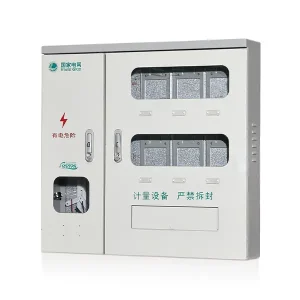
Stainless Steel Single Phase Electric Metering Box Solutions
View Technical Specs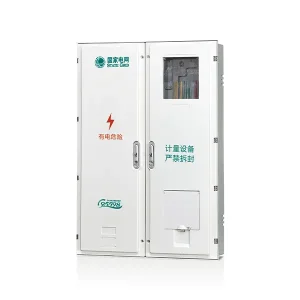
TY-SXS3 Three-Phase Electric Energy Metering Box (Transformer Type)
View Technical Specs
Stainless Steel Three-Phase Energy Metering Box & Transformer Cabinet
View Technical Specs
China Three-Phase Electric Metering Box (Transformer Type) - TY-SXS3
View Technical Specs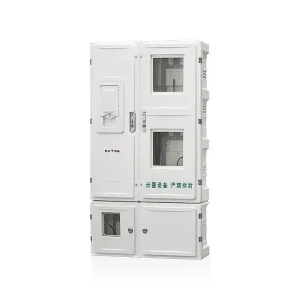
China TY-SXS2 Three-Phase Electric Energy Metering Box Solutions
View Technical Specs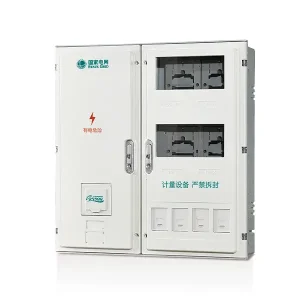
Single-Phase Electric Energy Metering Box TY-SXD2 Series
View Technical Specs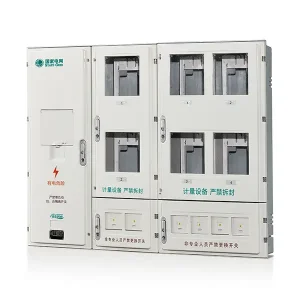
Wholesale TY Series Three-Phase Electric Energy Metering Box
View Technical Specs