
High-Spec Enclosure & Underground Chambers Portfolio
Engineered to pair seamlessly with subsurface drainage, distribution pits, and electrical grid substructures across demanding municipal sectors.
Next-Generation Subterranean Infrastructure & Drain Covers
An authoritative analysis of municipal access dynamics, load testing methodologies, composite polymer synthesis, and global tender procurement criteria.
Structural Paradigm Shift: From Heavy Cast Iron to Advanced Composite SMC Solutions
In the contemporary landscape of municipal water management, telecommunication corridors, and electrical underground routing, the search for a verified wholesale manhole drain cover supplier has transitioned from standard foundry sourcing to advanced materials engineering. For over a century, traditional cast iron (grey iron and ductile nodular iron) maintained dominance over street utility chambers and stormwater catch basins. However, rapid global urbanization, astronomical lifecycle replacement costs, and escalating security concerns have exposed critical vulnerabilities in legacy metallurgy.
Modern engineering contracts now actively specify Sheet Molding Compound (SMC) compression-molded composite covers alongside ductile cast iron (EN-GJS-500-7). SMC composite materials integrate continuous and chopped E-glass fibers within high-grade unsaturated polyester resins, calcium carbonate matrix stabilizers, and specialized anti-UV thermal polymers. When molded under ultra-high hydraulic pressure (exceeding 2,000 metric tons) at controlled temperatures above 150°C, the resulting composite delivers tensile strengths matching structural steels while remaining immune to biochemical wastewater attack, acidic stormwater runoffs, electrochemical galvanic oxidation, and road deicing salts.
Furthermore, the global municipal procurement sector faces persistent challenges regarding asset theft. Cast and ductile iron covers possess residual scrap metal value, leading to endemic missing covers that create severe urban road hazards and corporate legal liabilities. SMC composite manhole and drain grates exhibit zero secondary scrap value, permanently eliminating street vandalism and roadside cavitation risks.
Corrosion & Chemical Immunity
Wastewater containment lines generate aggressive hydrogen sulfide (H₂S) environments that convert into sulfuric acid, rapidly deteriorating grey cast iron. SMC composite manholes remain chemically inert across pH ranges from 2.0 to 12.0.
- Zero oxidation in saltwater & coastal aquifers
- Resistant to automotive hydrocarbon spills
Dielectric Non-Conductive Safety
Stray current leakage from buried medium-voltage lines and damaged underground transformers poses lethal touch-voltage risks to pedestrians. Composite covers provide complete electrical insulation without supplemental grounding.
- Dielectric breakdown strength > 15 kV/mm
- Eliminates grounding loop installations
Acoustic Dampening & Ergonomics
High-volume vehicular traffic over traditional metallic access frames generates repetitive metallic clatter and vibration fatigue. Precision-machined composite covers feature elastomeric seating gaskets that eradicate noise pollution.
- 60% lighter weight than solid cast iron
- Reduces occupational back injuries in utility teams
Mission-Critical Subterranean Deployments
Calibrated load-bearing enclosures for civil municipal engineering, highway corridors, energy distribution networks, and telecommunications.
Municipal Stormwater & Sewerage
Urban storm drain covers and inspection access points subject to torrential rainwater surges and microbial sewer gas corrosion. Equipped with high-flow slotted drainage gratings and anti-silt containment baskets.
- Class C250 to D400 EN 124 ratings
- Odor-sealing neoprene mechanical locks
Telecom & 5G Smart Fiber Corridors
Buried dark fiber conduits and splitters require RF-transparent access points. Unlike metals which attenuate cellular signals, composite covers enable 100% transmission of 5G millimeter waves and wireless telemetry.
- Zero RF electromagnetic shielding
- Integral RFID subsurface tags
Electrical Power Grid Subsurface Pits
Underground switchgear chambers, transformer pull boxes, and low-voltage cable branch manifolds. Protects field technicians from ground faults and eliminates short-circuit arching hazard hazards during access.
- High thermal insulating barrier
- Gas-tight sealing keeps chambers dry
Airport Taxiways, Ports & Logistics
Ultra-heavy industrial zones accommodating container reach stackers, Boeing 777 aircraft landing gears, and dynamic braking forces. Manufactured with reinforced cross-ribbed profiles tested to EN 124 F900.
- Proof load tested up to 900 kN (90 tons)
- Anti-skid aggregate-bonded friction treads
Structural Load Standards & Material Comparative Matrix
Comprehensive engineering criteria mapping international standards including EN 124:2015, AASHTO M306, ASTM C857, and AS 3996.
| Standard Load Class | Test Proof Load | Typical Installation Zone | SMC Fiber Reinforced Polymer | Ductile Iron (QT500-7) | Standard Polymer Concrete |
|---|---|---|---|---|---|
| Class A15 | 15 kN (1.5 Metric Tons) | Pedestrian zones, cycle paths, private residential garden plots | Optimal: Ultra-lightweight, zero maintenance, integrated anti-slip surface | Excessive weight; high cost for basic pedestrian duty | Prone to edge chipping and thermal micro-cracking |
| Class B125 | 125 kN (12.5 Metric Tons) | Sidewalks, pedestrian precincts, private domestic driveways | Optimal: Ergonomic single-person lift, customized corporate badging | Common, but susceptible to rust streaking on pavers | Moderate performance; susceptible to frost spalling |
| Class C250 | 250 kN (25 Metric Tons) | Highway curbside channels, gully tops, parking lots | High Performance: Heavy-duty ribbed matrix, hydraulic silencing gasket | Industry standard; noisy under wheel impacts without gaskets | Structural shear fatigue under dynamic braking wheels |
| Class D400 | 400 kN (40 Metric Tons) | Carriageways, arterial highways, motorway hard shoulders | Certified: Multi-axial fiber compression, patented locking bars | Widely used; high scrap theft rate in remote sections | Not recommended for active highway traffic speeds |
| Class E600 | 600 kN (60 Metric Tons) | Docklands, container freight terminals, industrial zones | Heavy Spec: High resin cross-linking with internal steel-skeleton reinforcement | Heavy-section casting required; requires crane to lift | Unsuitable: Brittle structural failure under high point load |
| Class F900 | 900 kN (90 Metric Tons) | Aircraft runways, military airfields, severe wheel loading | Engineered custom composite matrices or hybrid ductile assemblies | Standard massive foundry castings with bolted securing plates | Unusable under dynamic aviation impact vectors |
Structural Load Physics: Deflection, Permanent Set & Elastic Fatigue Resilience
In municipal qualification protocols governed by EN 124-1:2015 and AASHTO M306, compliance is determined not merely by ultimate destructive failure, but by rigid criteria evaluating permanent set and transient deflection under load. During standard proof load testing, a calibrated spherical or planar hydraulic indenter applies dynamic pressure at a controlled velocity of 1 to 5 kN/sec until reaching 2/3 of the target test rating.
Under AASHTO M306 protocols, a 400 kN (88,000 lbf) proof load is held continuously for 60 seconds. To achieve verified acceptance, the permanent deformation measured at the geometric centroid after total pressure release must not exceed d/100 (where d is the clear opening diameter) or a maximum absolute threshold of 1.5 millimeters. Premium SMC composite covers manufactured under high-tonnage hydraulic molding achieve permanent set measurements consistently below 0.35 mm due to the exceptional elastic recovery memory of cross-linked thermoset polymers—vastly outperforming brittle concrete mixtures and matching hot-forged ductile irons.
Precision Chinese Manufacturing & Global Procurement Agility
How Yueqing and coastal industrial ecosystems drive economies of scale, tooling efficiency, and high-volume delivery reliability.
Advanced Hydraulic Mold Presses
Our production facilities utilize computer-synchronized 630-ton to 3,500-ton hydraulic compression presses with multi-zone induction heated dies, guaranteeing homogeneous resin consolidation and zero internal voids across large-format D400 and E600 geometries.
- Rapid mold turnover within 18–25 days
- Daily production capacity > 2,500 units
Yueqing Industrial Cluster Agglomeration
Situated in the heart of Zhejiang's world-renowned hardware and electrical production base, our operations draw from an integrated upstream supply network of specialty resin synthesizers, high-tensile fiberglass rovings, stainless hardware, and packaging mills.
- Zero intermediate component logistics lag
- Substantial margin savings passed to wholesalers
Rigorous In-House QA Testing Lab
Every commercial production batch undergoes strict destructive batch validation. Our quality center houses 1,000 kN calibrated compressive test rigs, Charpy impact testers, UV-accelerated weatherometers, and salt-fog corrosive chambers.
- Full batch mill test certificates (MTC)
- Third-party SGS / TÜV Rheinland inspection ready
Smart Cities & IoT-Enabled Subterranean Networks
Transforming passive roadway access covers into active telemetry nodes for urban storm warning, gas monitoring, and anti-intrusion monitoring.
Embedded NB-IoT Telemetry Sensors
Integration of low-power NarrowBand-IoT and LoRaWAN transceivers into molded underside composite cavity recesses. Sensors detect tilt (cover displacement / unauthorized opening), liquid overflow levels, and sewer water table spikes in real time.
- 10+ year autonomous lithium battery operation
- Composite structure allows zero antenna loss
Bio-Based Circular Polymer Formulations
Advancing sustainability across the civil procurement pipeline. Our R&D engineering matrix is actively deploying post-consumer PET upcycled resins, bio-derived unsaturated polyester components, and zero-styrene reactive diluents.
- 35% lower carbon footprint versus ductile cast iron
- Full ISO 14064 greenhouse gas audit ready
Digital Smart Key Access & Asset Mapping
Patented mechanical-electronic locking mechanisms operated via Bluetooth or NFC mobile verification. Generates automated maintenance audit logs, eliminates mechanical master keys, and secures vital telecom corridors against unauthorized entry.
- Audit trail timestamping for field technicians
- Encrypted anti-pick stainless hardware
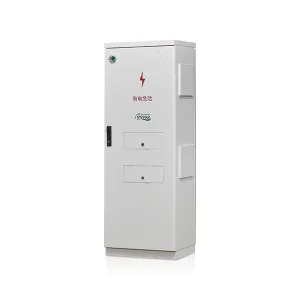
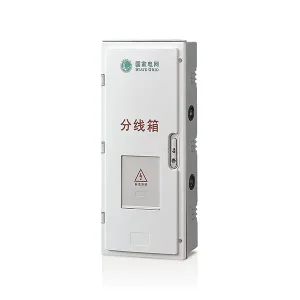
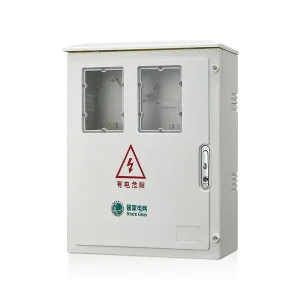
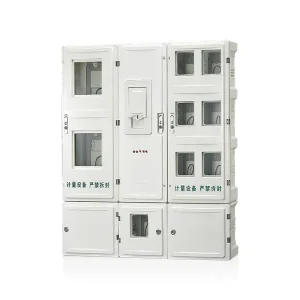
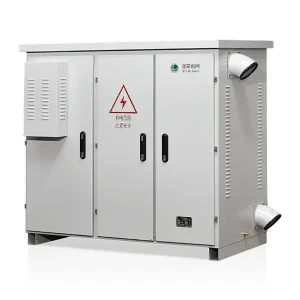
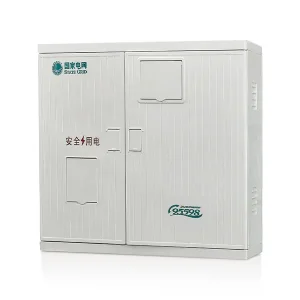
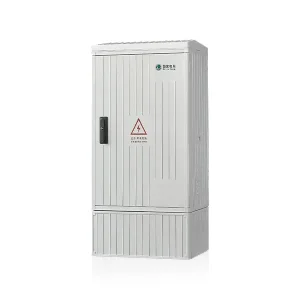
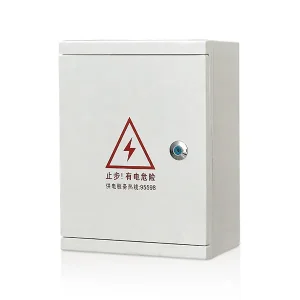
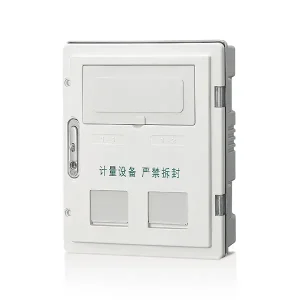
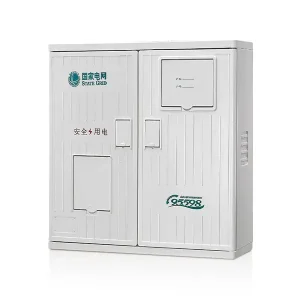
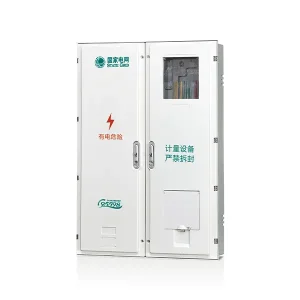
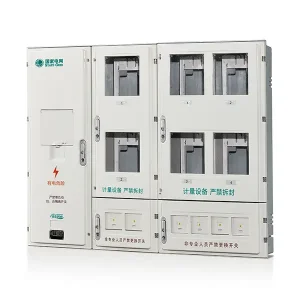
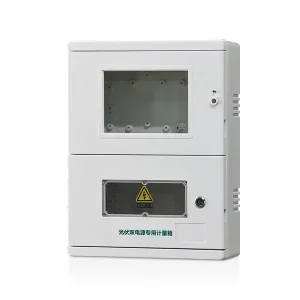
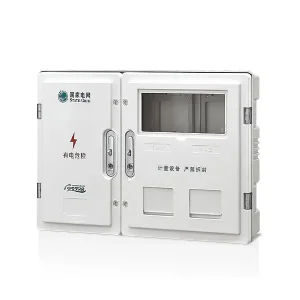
Comprehensive Electrical Subsurface Cabinets & Enclosures
Factory-direct inventory supporting wholesale engineering buyers, EPC contractors, and international tender consolidators.
Localized Engineering Support & Quality Assurances
Comprehensive technical documentation, mold customization, and regional regulatory compliance for municipal and EPC contractors.
Procurement Assurance: Mitigating Quality Risks in Global Tender Specifications
For municipal authorities in Europe, the Americas, the Middle East, and Southeast Asia, bidding on national infrastructure tenders requires rigorous documentation and uncompromised supply consistency. When vetting a wholesale manhole drain cover supplier, professional engineering consultants evaluate beyond initial unit pricing. The critical assessment centers on factory production stability, adherence to continuous third-party witness testing, and long-term warranties against structural cracking, ultraviolet degradation, and gasket degradation.
Our export engineering division coordinates directly with international procurement teams to align custom mold designs with local municipal bylaws. Whether your municipality demands custom-embossed municipal crests, multi-lingual warning badges, specific pick-hole orientations, or anti-seize captive hinges, our CAD/CAM mold engineering department delivers full 3D prototype files and tooling fabrication within shortened turnaround cycles.
Full Certification Dossiers
We provide full verification dossiers for every consignment, encompassing EN 124 type-test reports from accredited laboratories, material tensile/flexural certificates (ISO 527), flame retardancy ratings (UL94 V-0), and ISO 9001/14001 factory audits.
- Accredited factory batch test documentation
- CE & international mark conformance
Export-Optimized Palletization
Export sea-freight requires high cube utilization and zero transit damage. All manhole covers and frames are robotically banded on fumigated heavy-duty composite pallets, plastic shrink-wrapped, and corner-protected to guarantee pristine jobsite delivery.
- Direct access to Ningbo and Shanghai sea ports
- Maximum 20GP & 40HQ container load optimization
Dedicated Technical Engineering Desk
Our multi-lingual sales engineers assist with finite element analysis (FEA) simulations, hydraulic runoff capacity calculations for slotted drain grates, and load-class matching for highway transitions and pedestrian interfaces.
- 24-hour turnaround on technical RFP reviews
- On-site sampling & pilot tooling programs
Frequently Asked Questions on Wholesale Manhole Covers
Direct technical answers addressing materials engineering, load class qualification, customization, and supply logistics.
Certified Class D400 and E600 SMC composite manhole covers match the 400 kN and 600 kN load-bearing performance of ductile iron (QT500-7) under EN 124 standards, while offering distinct operational advantages: they are 50% to 60% lighter to handle, generate zero traffic noise due to synthetic bedding damping, exhibit zero scrap metal theft value, and never corrode from salt sprays or sulfuric sewer gas.
Our SMC composite drain covers have a designed operational service life exceeding 30 years in continuous outdoor environments and 40+ years in indoor or protected utility chambers. With high thermal stability (-40°C to +120°C) and advanced UV-stabilized resin packages, they do not embrittle under desert sun or crack during severe freeze-thaw cycles.
Yes. We specialize in OEM and ODM manufacturing. Our in-house CAD tooling and mold engraving department can incorporate custom logos, utility lettering (e.g., SEWER, DRAIN, WATER, TELECOM, ELECTRIC), custom pick-hole configurations, and specialized locking bolt apertures directly into the mold surface.
Each batch is supplied with an official Inspection & Mill Test Certificate verifying clear opening dimensions, weight, mechanical proof-load testing under EN 124:2015 / AASHTO M306 protocols, permanent set deflection measurements, and raw material polymer compliance. Third-party witness testing by SGS or Bureau Veritas is supported upon request.
Metallic covers can become fatally energized during underground cable insulation breakdown or flood-induced short circuits. Composite SMC covers have an inherent volume resistivity greater than 1.0 × 10¹⁴ Ω·cm, acting as an impenetrable dielectric safety barrier that protects the public from touch-potential hazards and eliminates the need for earthing bond straps.
For standard catalog tooling (clear openings of 300 mm, 450 mm, 600 mm, 700 mm, 800 mm, and 900 mm in square, rectangular, or round formats), standard MOQ is 50 to 100 sets, with production lead times averaging 15 to 25 business days. Custom mold development takes 20 to 30 days including pre-production sample approval.