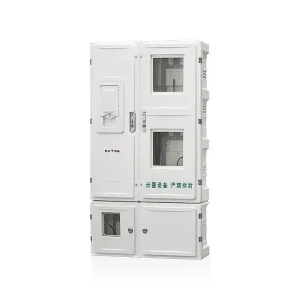
Certified Outdoor Meter Enclosures & Distribution Units
Explore standard and transformer-rated outdoor metering enclosures engineered to withstand solar degradation, moisture penetration, and extreme ambient operating temperatures.
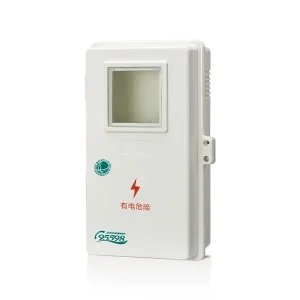
Wholesale TY-SXD1-1C single-phase collector box Manufacturers, Supplier
View Specifications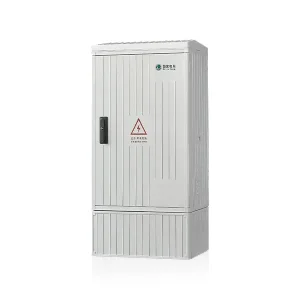
Wholesale China TY-DFW Floor-standing Cable Branch Box - Durable Supply from Trusted Suppliers and Factory Manufacturers, Suppliers
View Specifications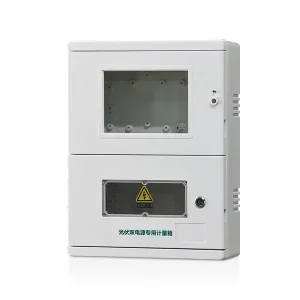
Wholesale China Suppliers Factory SMC Fiberglass Photovoltaic Grid-connected Box for Efficient Solar Energy Management Suppliers, Factory
View Specifications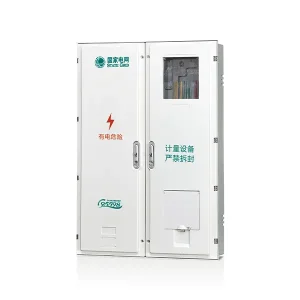
China Three-Phase Electric Energy Metering Box (Transformer Type) - TY-SXS3 by China Suppliers & Factory Manufacturer, Factories
View Specifications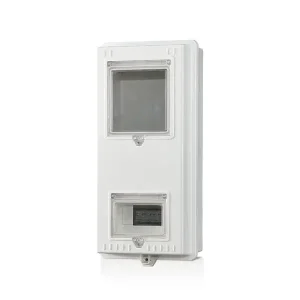
Wholesale China Suppliers Factory SMC Fiberglass Foreign Trade Box for Single-Phase and Three-Phase Electrical Applications Supplier, Suppliers
View Specifications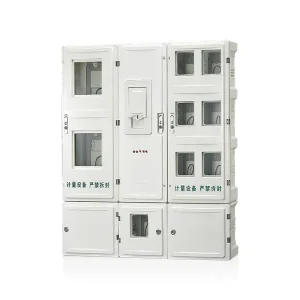
China China Factory Suppliers TY-SXD2+SXS2-1B Three-Phase Two-Position & Single-Phase Six-Position Energy Metering Box Suppliers, Factories
View Specifications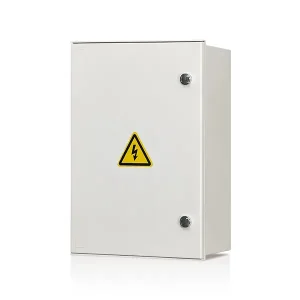
China China Suppliers TY-SXD1-FSH1 Waterproof Box - Durable IP44 Protection for Meters from Trusted Factory Manufacturer, Factory
View Specifications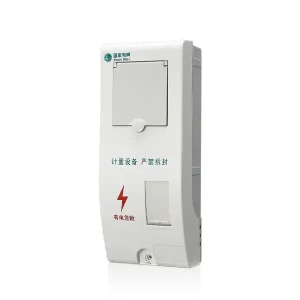
Wholesale China TY-SXD1 Single-Phase Electric Energy Metering Box - Trusted Suppliers and Factory Solutions Supplier, Suppliers
View SpecificationsSmart Grid Transformation & Distribution Modernization
The global energy sector is transitioning toward decentralized power generation, bidirectional metering, and advanced metering infrastructure (AMI). Outdoor electric meter boxes serve as the critical physical interface between public utilities and revenue generation.
AMI & AMR Integration
Traditional electromechanical metering has rapidly shifted to smart digital meters communicating via cellular (NB-IoT, LTE-M), RF mesh, or power line communication (PLC). Our outdoor SMC enclosures feature zero electromagnetic shielding, permitting full wireless signal transmission without auxiliary exterior antenna penetrations.
Non-Technical Loss (NTL) Mitigation
Power theft accounts for tens of billions of dollars in annual utility deficits worldwide. Modern outdoor metering enclosures feature anti-tamper engineering: concealed internal hinges, tri-point mechanical locking mechanisms, RFID/tamper microswitches, and separate partitioned breaker/metering bays with individual utility seal locks.
Distributed Energy Generation (DER)
Rooftop solar and commercial PV arrays necessitate bidirectional net metering enclosures that house multi-function billing meters, DC/AC isolation breakers, and surge arresters. Our specialized SMC solar grid boxes accommodate high thermal dissipitation and harsh back-feed electrical stress.
International Power Grid Standards & Tender Requirements
Procuring metering enclosures requires exact alignment with national electrification codes, utility tender frameworks, and harsh environmental profiles. We examine how outdoor meter boxes meet distinct regional engineering benchmarks.
Europe & IEC Frameworks (IEC 61439-1/-5, IEC 60529)
European and Commonwealth grids demand Class II total electrical insulation (protective insulation) to protect the public from indirect contact voltages without reliance on protective earthing conductors. Our SMC unsaturated polyester compounds provide dielectric strength >25 kV/mm, completely removing touch-potential shock hazards during primary fault conditions.
Middle East & African GCC Environments
High ambient heat combined with solar radiation (>1000 W/m²) causes internal temperature spikes exceeding 75°C in metal boxes, distorting electronic meter metrology. Our compression-molded composite possesses exceptionally low thermal conductivity (0.23 W/m·K vs 50 W/m·K for mild steel), keeping internal components cool and preventing premature LCD failure.
Latin America & Southeast Asia Electrification
Tropic monsoons, high humidity (>95%), and coastal salt spray cause rapid galvanic corrosion in stamped steel cabinets. Compression-molded SMC enclosures do not oxidize, flake, or degrade, dramatically extending asset life and eliminating repetitive painting and remedial maintenance cycles for public utilities.
SMC Composite vs. Stainless Steel vs. Thermoplastic Enclosures
Selecting the optimal enclosure material directly dictates total cost of ownership (TCO), dielectric safety, and field durability. The technical comparison below illustrates critical property differentiators across outdoor enclosure mediums.
| Performance Parameter | SMC Fiberglass Composite (GRP) | 304 / 316 Stainless Steel | Polycarbonate / ABS Polymer |
|---|---|---|---|
| Electrical Insulation | Class II Direct Insulation (Dielectric >25 kV/mm) | Zero Insulation (Mandatory Earth Bonding) | Good Insulation (>18 kV/mm) |
| Corrosion & Chemical Resistance | Immune to rust, acids, alkalis, and saline mist | High (Subject to pitting in marine zones) | Moderate (Degrades under industrial solvents) |
| Impact Resistance (Mechanical) | IK10 (High structural glass fiber loading) | IK10+ (Prone to permanent panel denting) | IK08 (Embrittles under low temperatures) |
| UV Degradation Stability | ISO 4892-2 Certified (>1,000 hrs Xenon Arc) | Unaffected by UV radiation | Prone to chalking, discoloration & cracking |
| Thermal Conductivity (W/m·K) | 0.23 (Natural thermal barrier) | 16.2 (Rapid internal greenhouse heating) | 0.19 (Low thermal conductivity) |
| Weight to Strength Ratio | Optimal (1/3 weight of steel for equivalent rigidity) | Heavy (Higher transport and pole mounting loads) | Lightweight (Low rigidity on large enclosures) |
| RF Transparency (Smart Metering) | 100% Transparent (Ideal for internal RF/GSM) | 0% Shielded (Requires external antenna) | 100% Transparent |
| Fire Retardancy & Flammability | UL 94 V-0 / Glow Wire Test 960°C (IEC 60695-2-11) | Non-combustible | UL 94 V-2 to V-0 (Dependent on additives) |
Engineered Field Deployments Across Industrial Verticals
From extreme sub-zero alpine conditions to offshore chemical platforms, explore how our outdoor metering enclosures are engineered for demanding operational criteria.
Utility-Scale & Commercial Solar PV Farms
Direct exposure to harsh outdoor elements and solar glare requires meter enclosures that maintain structural integrity without thermal deformation. Our SMC photovoltaic grid-connected boxes integrate bidirectional meter arrays, DC circuit breakers, AC isolators, and Type II surge protection devices within a compartmentalized, IP65-sealed enclosure that resists solar chalking over 30+ years.
Coastal, Marine & Offshore Island Electrification
Airborne chloride ions destroy conventional powder-coated mild steel enclosures within 24 to 36 months. Teyi Electric's hot-molded SMC thermoset fiberglass contains zero metallic structural elements in its skin, fully passing 1,000-hour continuous neutral salt spray testing (ASTM B117) without micro-blistering or delamination.
High-Density Urban & Commercial Complexes
Managing multi-tenant metering in commercial high-rises and residential estates demands compact, organized enclosures. The TY-SXD2 multi-meter series houses up to 12 single-phase meters or 6 three-phase meters within a unified structural architecture, complete with dedicated cable trunking channels, incoming busbars, and separate outgoing circuit breaker compartments.
EV Charging Plaza Infrastructure
Fast-charging commercial hubs require sub-metering points to track energy delivery to dual-gun 120kW-360kW DC chargers. Our three-phase CT-operated energy metering boxes (TY-SXS3 Series) provide dedicated space for current transformers, test terminal blocks (TTBs), and smart power monitors with Modbus/Ethernet outputs for seamless backend integration.
Heavy Chemical & Petrochemical Facilities
Processing refineries contain corrosive hydrogen sulfide, sulfuric vapors, and chemical fumes that corrode standard electrical distribution housings. For applications mandating heavy metallic physical armor, we manufacture grade 304 and 316 stainless steel metering cabinets featuring pickled, passivated seams and continuous polyurethane foam gaskets.
Rural Electrification & Overhead Pole-Mounting
Decentralized rural microgrids feature long overhead distribution lines subject to physical impacts, falling branches, and high lightning exposure. Our lightweight pole-mounted SMC boxes eliminate excessive pole weight and can be rapidly installed using stainless steel banding or galvanized bracket mounting hardware.
Factory Testing Protocols, Audits & Tender Compliance
Utility tenders demand rigorous testing documentation before awarding supply contracts. Every batch leaving our Yueqing manufacturing hub undergoes standardized mechanical, electrical, and environmental quality checkpoints.
Dielectric Voltage Withstand
Tested in accordance with IEC 61439-1 Section 10.9. High-potential dielectric tests verify that the enclosure and internal phase barriers withstand 2,500V to 3,500V AC power frequency voltages at 50Hz/60Hz for 60 seconds with leakage current below 5mA, ensuring complete personnel insulation.
Mechanical Impact Testing (IK10)
Conducted in our mechanical testing workshop using a free-fall drop hammer mass (5 kg dropped from 400 mm, equating to a 20 Joule impact) per IEC 62262. Testing confirms zero cracking, structural deformation, or loss of internal component clearances, guaranteeing vandal-resistant outdoor security.
IP54/IP65 Water & Dust Ingress
Enclosures are subjected to pressurized oscillating water spray rings and vacuum-sealed talcum dust chambers per IEC 60529. Continuous high-elasticity EPDM or seamless poured-in-place polyurethane foaming gaskets prevent ingress of sand, dust, and heavy driving rain.
Next-Generation Smart Enclosures & Sustainable Materials
The outdoor meter enclosure is transforming from a passive physical protective shell into an active, intelligent terminal node within smart city distribution grids.
IoT Edge Telemetry & Micro-Sensors
Future generation meter boxes integrate low-power sensor arrays to detect internal busbar overheating, humidity levels, unauthorized door access, and acoustic signatures of arc flashes. Micro-controllers aggregate operational telemetry and transmit alerts via LoRaWAN or NB-IoT prior to catastrophic equipment failure.
Circular Bio-Resins & Recyclable Composites
To reduce scope-3 carbon footprints, Teyi Electric is researching bio-derived unsaturated polyester resins and recyclable thermoplastic composites. These formulations retain UL 94 V-0 flame ratings and mechanical resilience while delivering a 40% reduction in cradle-to-gate embodied carbon emissions.
Passive Thermal Labyrinth Aerodynamics
Solar thermal loads can severely impact precision electronic metering. Next-generation enclosures incorporate computer-modeled computational fluid dynamic (CFD) air pathways: dual-wall convective labyrinth vents that maintain IP55 dust and water rejection while reducing interior core temperatures by 8°C to 12°C via natural chimney effects.
Technical & Commercial Clarifications for Utilities & EPCs
Key technical, manufacturing, and logistics considerations address questions from utility procurement directors and engineering consultants.
For custom enclosure configurations requiring unique mold tooling (such as specific utility window layouts, terminal block placements, or brand embossing), high-precision steel mold manufacturing typically takes 30 to 45 business days. Rapid pre-production prototyping via high-density SLA or machined master models can be completed within 7 to 10 days for design approval. Once tooling is validated, high-speed automated hydraulic compression presses produce 500 to 1,500 finished units daily per mold line.
Our SMC formulations utilize high-grade unsaturated polyester resins compounded with hindered amine light stabilizers (HALS), UV absorbers, and premium titanium dioxide (TiO2) pigments. These compounds prevent surface chalking, micro-fissuring, and embrittlement. Standard test specimens undergo accelerated weathering per ISO 4892-2 (Xenon arc exposure under cyclic water spray for 1,000 to 2,000 hours), retaining over 85% of their initial flexural and impact strength.
Revenue protection is a core requirement of our meter box engineering. Anti-tamper provisions include: concealed internal hinges inaccessible from the exterior when the door is shut; multi-point deadbolt latching mechanisms; dedicated sealing holes for utility security lead/plastic tags; optical tamper sensors that register door openings; transparent high-impact polycarbonate inspection windows that allow reading without opening the main enclosure; and separate, independently locked circuit breaker access hatches.
Yes. Our three-phase electric energy metering boxes (such as the TY-SXS1 and TY-SXS2 series) are engineered for main busbar ratings from 10A up to 250A, with verified short-time withstand current ratings of up to 30 kA for 1 second. The internal busbar supports and phase separation barriers are compression-molded from track-resistant, glass-reinforced thermoset compounds (CTI >600V), ensuring structural stability during downstream fault conditions.
Our SMC meter boxes meet UL 94 V-0 flame retardancy benchmarks and pass the Glow-Wire Flammability Test at 960°C per IEC 60695-2-11 with zero flaming droplets. The formulations utilize non-halogenated, aluminum trihydrate (ATH) flame retardants. When subjected to intense localized arcing or direct fire, our enclosures emit non-toxic, low-smoke water vapor without halogen acids, minimizing toxicity risks in multi-residential indoor installations.
Wholesale Multi-Phase & Transformer Metering Series
Complete project-scale metering enclosures, transformer connection cabinets, and residential energy meter distribution systems ready for container load exports worldwide.
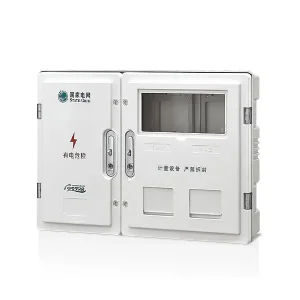
Wholesale Single-Phase Electric Energy Metering Box TY-SXD2 Series - Quality from China Suppliers and Factory Manufacturer, Supplier
View Specifications
Wholesale TY-SXS3 three-phase electric energy metering box (transformer type) Manufacturers, Supplier
View Specifications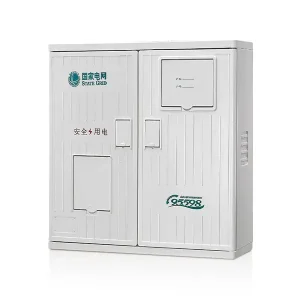
China China TY-SXS1 A-Type Meter Box Suppliers - Low & High Voltage Factory Options for Enhanced Safety Suppliers, Factory
View Specifications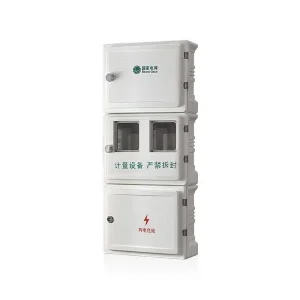
Wholesale China TY-SXD2 Single-Phase Electric Energy Metering Box - Reliable Suppliers and Factory for Custom Solutions Manufacturer, Factories
View Specifications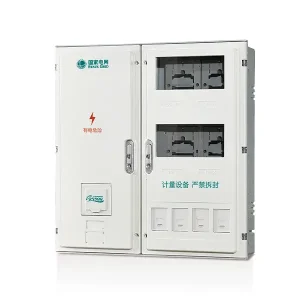
Wholesale Single-Phase Electric Energy Metering Box TY-SXD2 Series from China Suppliers and Factory - Reliable Power Measurement Solutions Manufacturer, Factories
View Specifications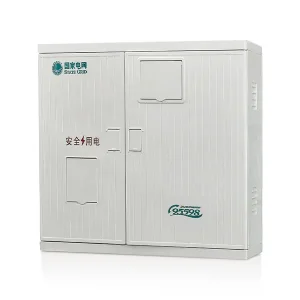
China TY-SXS3-BXJ Low Voltage B-Type Box for Transformers - Reliable Power Management from China Suppliers and Factory Factories, Factory
View Specifications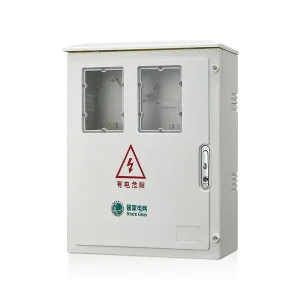
China Durable TY-SXS3-2B D-Type Box from China Suppliers | Reliable Electrical Meter Box Factory Suppliers, Factory
View Specifications