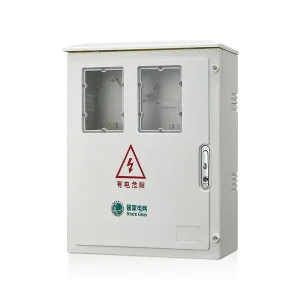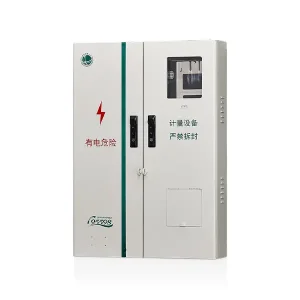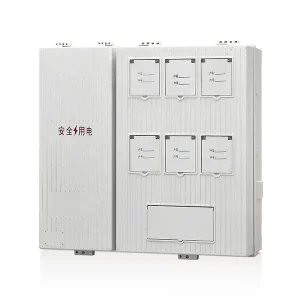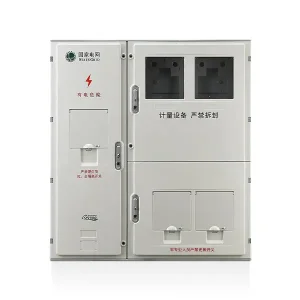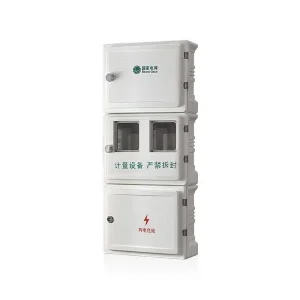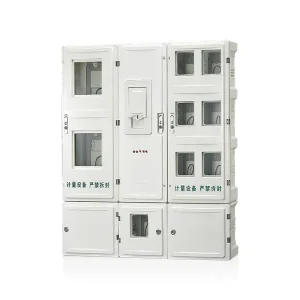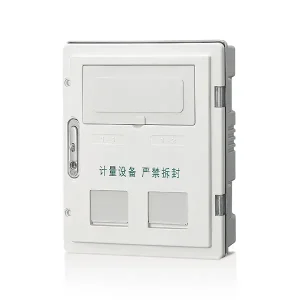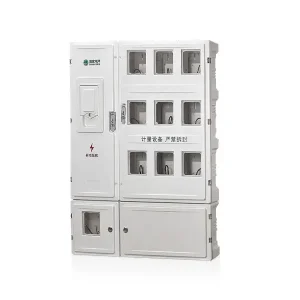
SMC Composite Enclosure
Direct supply from Yueqing & Wenzhou industrial nodes with certified load capacities, robust ingress protection, and anti-tamper locking interfaces.
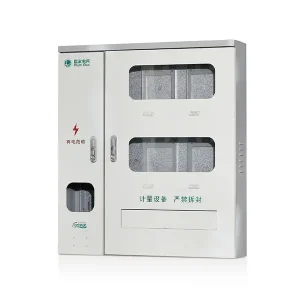
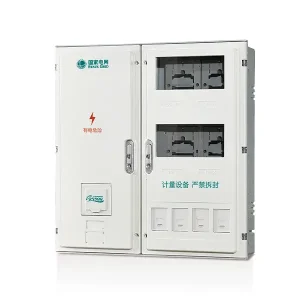
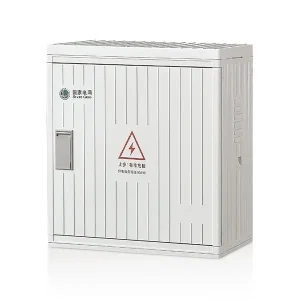
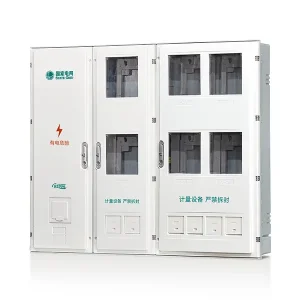
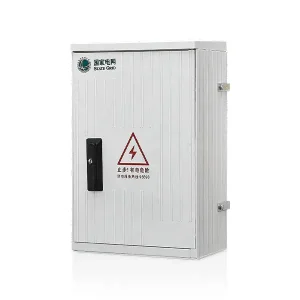
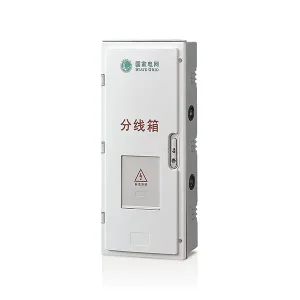
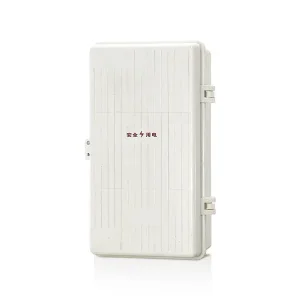
From Grey Iron to Nodular Ductile Iron (EN-GJS 500-7) and SMC Composites: Engineering Resilience for Modern Subterranean Networks.
In modern urban planning, subterranean utility corridors and civil wastewater networks, the transition from traditional grey cast iron (GG20/GG25) to Ductile Iron (DI, EN-GJS-500-7 / ASTM A536 70-50-05) and heavy-duty sheet molding compound (SMC) composites represents one of the most critical advances in infrastructure longevity. Municipal authorities, civil contractors, and EPC procurement executives face unprecedented challenges: exponential traffic load densities, corrosive chemical environments, high theft risks in municipal corridors, and the surging mandate to integrate Internet-of-Things (IoT) monitoring nodes underneath surface covers.
Unlike conventional grey iron where flake graphite creates sharp internal stress concentrations, ductile iron utilizes spheroidal nodular graphite formed through precise magnesium/cerium inoculation during the smelting phase. This metallurgical structure prevents crack propagation, elevating tensile threshold from 150–200 MPa up to 500–700 MPa, while yielding exceptional elongation (7%–12%) and impact resistance. When subjected to continuous cyclical wheel impacts from commercial vehicle transit (EN 124 D400 and E600 classes), ductile iron covers eliminate catastrophic brittle fracturing, mitigating civil liability and severe roadway hazards.
Simultaneously, municipal utilities require unified surface access solutions combining power distribution chambers and drainage inspection shafts. As illustrated below, selecting the exact casting or composite standard determines total ownership cost (TCO) across a 30- to 50-year municipal design lifecycle.
| Specification Criterion | Standard Grey Cast Iron (GG20) | Ductile Iron (EN-GJS 500-7) | SMC / GRP Composite Engineered Systems |
|---|---|---|---|
| Tensile Strength | 150 - 250 MPa (Brittle) | 500 - 700 MPa (Ductile) | 100 - 180 MPa (Fiberglass Reinforced) |
| Impact & Shock Absorption | Extremely Low; fractures easily under shock | High impact absorption; flexes under load | Moderate to High; dampens acoustic vibrations |
| Weight to Strength Ratio | Heavy; high logistics & handling expense | 30% - 40% lighter than grey iron for equal rating | 50% lighter than ductile iron; fast installation |
| Scrap & Theft Vulnerability | High residual scrap value; rampant theft | Moderate scrap value; requires integrated lock mechanisms | Zero residual scrap value; complete anti-theft |
| RF / Wireless Signal Transmission | Blocks RF signals completely (Faraday cage) | Blocks RF signals; needs slotted composite windows | 100% RF-transparent; ideal for IoT Smart Cities |
Automated molding lines, spectrum nodularity testing, and complete integration with the Yueqing electrical equipment ecosystem.
Equipped with computerized high-pressure vertical molding systems. High mold stability guarantees surface tolerances within ±1mm, flawless seat flatness, and the total elimination of rattling under high-speed vehicular traffic.
Every melt ladle undergoes automated optical emission spectroscopy to verify carbon equivalent (CE), silicon balance, and nodularity (>85%). Tensile coupon test bars are serialized and cross-matched with shipping bills of lading.
Coated with heavy-gauge waterborne bituminous coatings or electrostatic thermosetting epoxy resin (>100μm). Engineered to resist cathodic soil corrosion, saline splash in coastal ports, and petrochemical mist without peeling.
Engineered to satisfy EN 124, AASHTO M306, and AS 3996 worldwide standards across four core utility sectors.
400 kN proof load capability designed for constant articulated truck movement. Equipped with neoprene/EPDM silent cushioning gaskets to eliminate acoustic hammer noise and roadway settlement.
Integrated access chambers paired with SMC meter enclosures. Dual-lock security bolts prevent unauthorized utility tampering, and gas-assisted spring hinges permit one-man safe inspection access.
Engineered for extraordinary wheel shear pressure up to 900 kN. Massive reinforced rib geometry withstands taxing aircraft taxiways, gantry crane tracks, and heavy container transport terminals.
Odor-sealed lockable frames incorporating composite radar windows. Allows ultrasound wastewater depth and flow sensors to transmit wireless NB-IoT/LoRa telemetry without opening roadway hatches.
Essential guidance on EN 124 compliance, foundry testing protocols, mold customization, and port consolidation.
Class C250 is certified for a 250 kN proof load, designated primarily for highway shoulders, curb channels, and parking decks. Class D400 withstands a 400 kN load and is mandated for carriageways of motorways, freight terminals, and urban arterial roads carrying heavy traffic.
Yes. Our in-house pattern and tooling workshop produces CNC-machined tooling with custom municipal emblems, utility markings (Electricity, Water, Gas, Telecom), anti-slip treads, and customized lifting points within 15–20 business days.
We machine the cover and seating frame on precision CNC lathes to achieve absolute planarity. Furthermore, vulcanized chloroprene or EPDM continuous elastomer gaskets are permanently embedded in the frame seat, preventing metal-to-metal clatter.
Absolutely. Operating from Yueqing (China’s Electrical Capital) with partner foundries in Zhejiang and Hebei, we consolidate heavy ductile iron access covers, cable branch boxes, and SMC meter cabinets into optimized sea containers (FCL) to minimize maritime freight costs.
Complete product range supporting high-voltage metering, secondary power distribution, and underground access nodes.