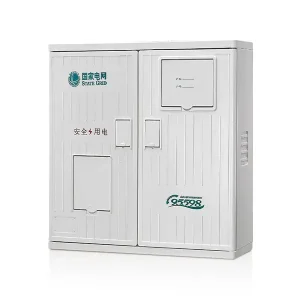
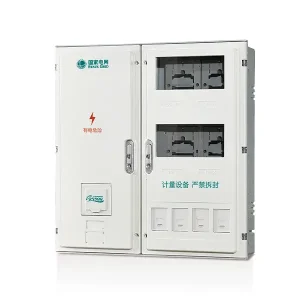
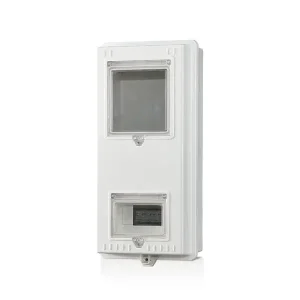
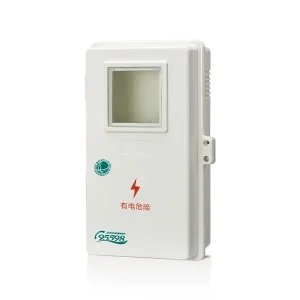
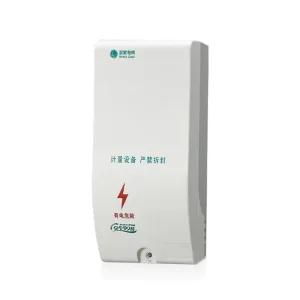
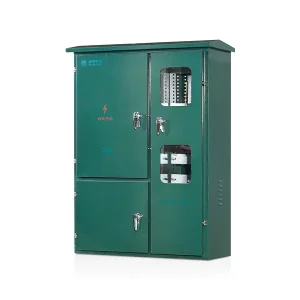
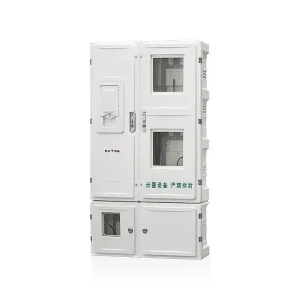
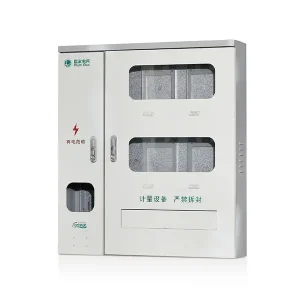
High-Performance Metering & Access Solutions
Engineered for high dielectric isolation, extreme hydrological resistance, and certified load-bearing parameters across smart-grid underground nodes.
Global Enterprise Requirements for Waterproof Underground Containment
In modern utility engineering, waterproof manhole covers and sealed containment junctions have evolved from simple surface closures into strategic perimeter barriers protecting critical smart grid and high-voltage transmission assets.
Hermetic Hydrostatic Ingress Protection
Global utility operators specify IP67 to IP68 water sealing compliance. Under extreme hydrostatic head conditions during flash floods and ground saturation, subterranean vaults must prevent moisture condensation, chemical penetration, and complete submersion damage to smart busbars and cable branches.
Zero Zero-Potential & Electrical Safety
Unlike traditional cast iron manhole lids, composite SMC (Sheet Molding Compound) fiber-reinforced polymer lids eliminate touch-voltage and stray current hazards. Non-conductive covers remove step-potential risks to pedestrians during insulation fault events in underground ring main units.
Asset Security & Zero Scrap Value
Subterranean infrastructure theft causes catastrophic grid outages. SMC polymer composites provide high structural yield strength while possessing zero resale scrap value, effectively preventing opportunistic theft while integrated bolt-locking mechanisms stop unauthorized manual tampering.
Unified Underground Solutions Across Core Industries
Engineered to interface seamlessly with municipal subterranean pipelines, utility metering corridors, and electrified transport networks under aggressive environmental loads.
Smart Grid & Metering
Guarantees dry environments for primary transformer loops, low-voltage cable branch cabinets, and direct-entry metering terminals, stopping terminal oxidation and moisture-induced insulation flashovers.
Petrochemical Corridors
Formulated with chemically inert polyester thermoset matrices that resist hydrogen sulfide, heavy hydrocarbons, salts, and sulfuric acids without pitting, delamination, or structural decay.
Civil Rail & Metro Networks
Withstands severe dynamic cyclic vibration and repetitive shock loads caused by heavy freight traffic and rapid passenger rail operations, backed by mechanical stability under continuous load cycles.
Airport Aprons & Ports
F900 heavy-loading class engineering accommodates taxiway axle weights and dockside container handling machinery, keeping access chambers sealed against brackish groundwater intrusions.
Subterranean Access Enclosure Comparison
A comprehensive comparative breakdown evaluating thermodynamic, dielectric, and structural behavior across critical utility closure materials.
| Performance Metrics | High-Grade SMC Composite | 316 / 304 Stainless Steel | Ductile Cast Iron (QT500) |
|---|---|---|---|
| Hydraulic Ingress Seal | Dual EPDM O-ring, continuous IP68 | Precision CNC rubber gasket, IP67 | Mechanical contact, vulnerable to seepage |
| Dielectric Breakdown Strength | > 25 kV/mm (Complete Insulator) | 0 kV/mm (Conductive path) | 0 kV/mm (High shock hazard) |
| RF / IoT Signal Transmission | High transparency (Smart Meter Ready) | Faraday cage (Requires external aerials) | Complete RF shielding (Zero signal) |
| Corrosion & Salt Resistance | Total chemical inertness; no oxidation | High passivation layer stability | Severe surface oxidation; requires coating |
| Weight-to-Strength Ratio | High (1/3 the weight of cast iron) | Moderate (Demands manual lifting tools) | Poor (High injury risk during servicing) |
| Economic Lifecycle Cost | Zero maintenance over 30–40 years | High initial cost; low maintenance | High replacement rate due to corrosion & theft |
Technology Roadmap & Smart City Integration (2025–2030)
Subterranean infrastructure is transitioning toward sensor-integrated cyber-physical systems designed for real-time risk prevention.
IoT-Enabled Sensor Array Nodes
Embedding NB-IoT and LoRaWAN transceivers directly into SMC matrices without external antenna perforations, transmitting subterranean gas accumulation, chamber water levels, and tilt-displacement alarms directly to utility SCADA networks.
Bio-Based & Recycled Resins
Developing low-carbon footprint unsaturated thermoset polyesters derived from post-consumer recyclates, reducing embodied carbon metrics across large-scale municipal tenders without compromising mechanical tensile ratings.
Dynamic Stress Self-Monitoring
Fiber Bragg Grating (FBG) optical cables integrated into structural ribs record cyclic wheel loading patterns on major motorways, allowing municipal authorities to predict chamber bedding settlement before surface subsidence occurs.
International Standards, Testing & Tender Readiness
Our manufacturing cluster in Yueqing, Zhejiang Province, implements rigorous factory verification protocols aligned with Tier-1 utility expectations worldwide.
Standardized Load Verifications
Fully compliant with BS EN 124:2015 criteria, testing from Group 1 (Class A15, 15 kN) through Group 6 (Class F900, 900 kN) on calibrated hydraulic compression rigs with certified permanent-set deflection checks.
Complete EPC Documentation Kits
We supply full tender dossiers including 3D step CAD layouts, structural finite element analyses (FEA), mold flow analysis, material toxicity datasheets, and batch salt-spray test certificates for streamlined project approvals.
End-to-End Supply Chain Control
Direct supply partnerships for raw roving strands, fillers, and resins enable consistent compound formulation. On-site compression mold design ensures swift prototyping and scalable volume deliveries to global ports.
Engineering Inquiries & Specification Guidance
Key technical answers addressing structural integrity, hydrological tightness, and installation best practices for project engineers and procurement teams.
How do composite manhole covers achieve an IP68 waterproof rating?
IP68 water containment relies on high-precision tongue-and-groove joint geometries integrated with continuous aging-resistant EPDM or neoprene elastomeric gaskets. Secured under calibrated diagonal torque bolts, the gasket compresses evenly to isolate the chamber from subterranean water ingress under continuous hydraulic head pressures.
Can SMC waterproof manhole covers withstand heavy highway freight traffic?
Yes. Manufactured under 2,000-ton hydraulic compression presses at high temperatures, SMC covers can be reinforced with continuous glass roving mats to satisfy EN 124 Class D400 (40-ton proof load) and Class E600 ratings, making them fully compliant for arterial roadways, bus terminals, and dock container yards.
Why is composite SMC preferred over ductile iron for smart power grids?
SMC is an electrical insulator that eliminates electrocution risks from underground cable faults. Moreover, SMC does not attenuate wireless signals, allowing internal smart meters and IoT monitoring sensors inside the underground chamber to transmit data through the cover without external penetrations.
What is the projected field lifespan under high UV exposure?
Formulated with specialized ultraviolet stabilizers, hindered amine light stabilizers (HALS), and anti-aging additives, our outdoor SMC compounds resist degradation from strong solar radiation and extreme thermal swings (-40°C to +120°C), retaining structural elasticity and color integrity for over 30 years.
Certified Utility Power & Enclosure Solutions
Explore our full range of field-tested distribution enclosures, collection units, and smart monitoring boxes engineered for demanding grid environments.