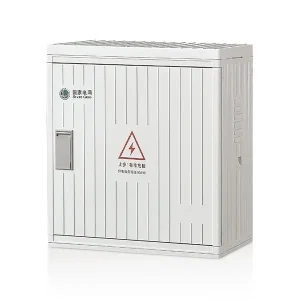
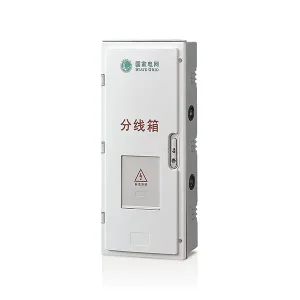
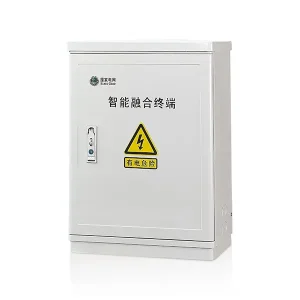
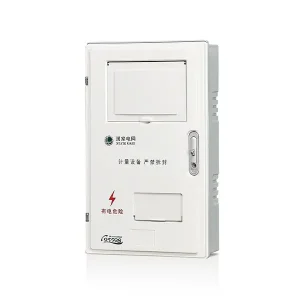
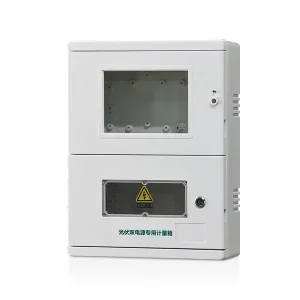
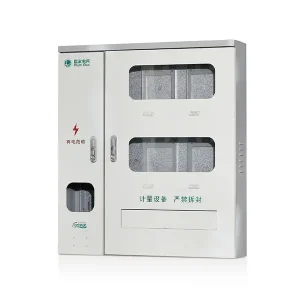
Featured Secondary Distribution & Metering Assemblies
Factory-direct ring main unit integration solutions, fused breakers, and precision monitoring hardware certified to international standards.
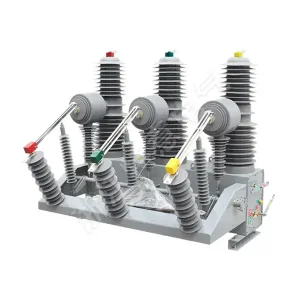
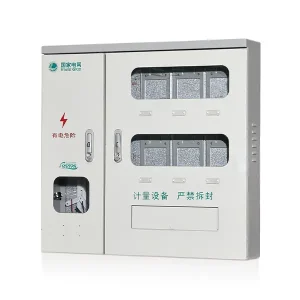
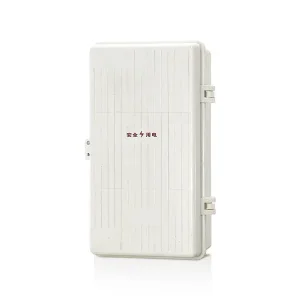
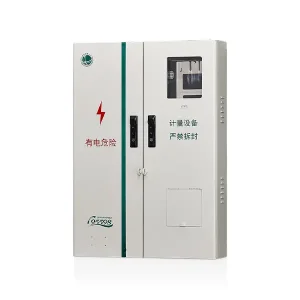
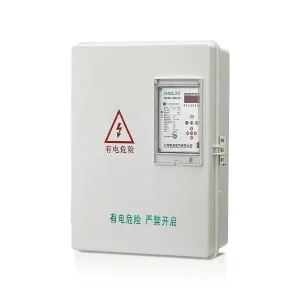
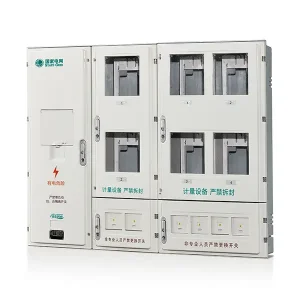
Global Landscape: RMU Transformers & Secondary Substations
Ring Main Unit (RMU) transformers form the critical node where medium-voltage transmission interfaces with localized consumption. As global grids face decentralized loads, electrification, and urbanization, the demand for resilient RMU integrated transformer systems is experiencing unprecedented expansion.
Grid Modernization Push
Traditional radial networks are rapidly converting to interconnected loop topologies. In an RMU-transformer architecture, power can be supplied in bidirectional loops, allowing faulted sections to isolate automatically while sustaining downstream loads without service disruption.
Urban Footprint Compression
Real estate constraints in metropolitan hubs necessitate extreme footprint miniaturization. Modern RMU transformer substations integrate gas-insulated switchgear (GIS) or solid-insulated switchgear (SIS) alongside oil-immersed or cast-resin dry transformers within compact, anti-vandalism enclosures.
Stringent Arc-Fault Safety
Modern commercial infrastructure demands internal arc classification (IAC AFLR). Industrial end-users enforce zero-tolerance protocols for maintenance incidents, requiring hermetically sealed enclosures, gas pressure relief channels, and structural blast resistance.
The Strategic Advantage of China RMU Factories
China's electrical manufacturing corridor—anchored in hubs like Yueqing, Zhejiang—delivers unmatched structural efficiencies, scale economies, and testing rigor for international utility buyers and EPC contractors.
Full-Chain Cluster Ecosystem
Direct proximity to specialized copper drawing, laser sheet fabrication, magnetic silicon steel winding, vacuum interrupter production, and SMC compression tooling reduces typical raw component lead times by up to 45% compared to Western counterparts.
Automated Precision Tooling
State-of-the-art CNC punching, robotized fiber laser welding, and automated vacuum epoxy casting ensure that each RMU tank, enclosure frame, and transformer bushing achieves micrometer-grade dimensional consistency and leak-proof hermetic sealing.
Comprehensive Type-Testing
Suppliers routinely validate products through state-accredited high-voltage test laboratories (e.g., KEMA-affiliated institutions or national testing centers), guaranteeing compliance with IEC 62271-200, IEC 60076, and GB/T standards under third-party witnessing.
Localized Deployment Scenarios
RMU transformers operate across severe climates, hazardous chemicals, and mission-critical networks requiring specialized mechanical and electrical tuning.
Photovoltaic & Energy Storage (BESS)
Solar field step-up substations require transformers paired with RMUs capable of handling non-linear harmonic loads, bidirectional current reversals, and rapid solar irradiation shifts. Enclosures feature SMC composite or C5-M marine-grade paint protection to endure extreme UV and temperature fluctuations.
Heavy Petrochemical & Mining Environments
Harsh atmospheres saturated with hydrogen sulfide, salt spray, and particulate matter require hermetically sealed RMU compartments. China manufacturers supply corrosion-resistant 304/316L stainless steel enclosures or high-tensile fiberglass (SMC) solutions paired with dry-type cast-resin transformers.
Metropolitan Metro & Rail Systems
Rail passenger stations and traction auxiliary systems require low-noise, fire-retardant distribution setups. Cast-resin transformers combined with vacuum-circuit-breaker-based RMUs provide reliable auxiliary power for track signaling, ventilation, and platform screen doors.
Future Evolution: Smart Grids & Eco-Insulation
The medium-voltage distribution sector is undergoing structural technical migration driven by digital telemetry and decarbonization initiatives.
SF6-Free Eco-Friendly RMUs
With tightening global regulations on greenhouse gases with high Global Warming Potential (GWP), Chinese engineering teams lead in deploying dry-air, synthetic air, and fluoronitrile-based gas mixtures, eliminating SF6 reliance while maintaining insulation clearance margins.
Embedded Smart Feeder Automation (FTU/DTU)
Modern substations incorporate intelligent electronic devices (IEDs) for real-time telemetry. Distributed Terminal Units (DTUs) monitor busbar temperature via fiber-optic sensors, track partial discharge activity, and interface seamlessly via IEC 61850 protocol suites.
Amorphous Metal Transformer Cores
To comply with high-efficiency tier benchmarks (EU Tier 2, DOE 2016), suppliers are integrating amorphous alloy cores into RMU package substations, driving down no-load core losses by up to 70% compared to silicon steel cores.
Global Procurement Due Diligence
When evaluating and auditing Chinese RMU and transformer manufacturing partners, technical procurement managers should systematically verify three core dimensions:
1. Type-Test Certification Dossier
Validate test certificates for temperature-rise limits, short-circuit withstand capabilities (e.g., 20kA/3s, 25kA/1s), internal arc classifications (IAC AFLR), and mechanical endurance (Class M2 circuit breakers, 10,000 operations minimum).
2. Gas Enclosure Hermetic Sealing
Verify that stainless steel gas tanks undergo robotic welding and multi-stage helium mass-spectrometer leak testing. Leakage rates must remain strictly below 0.1% per year to guarantee zero gas replenishment throughout a 30-year operational lifecycle.
3. Factory Acceptance Testing (FAT) Protocol
Ensure that suppliers offer routine FAT routines, including high-voltage power-frequency withstand tests, partial discharge (PD) measurements (≤ 10 pC at rated conditions), primary insulation resistance checks, and secondary loop functional interlocking.
Frequently Asked Questions (FAQ)
Common engineering and procurement questions regarding RMU transformer equipment and Chinese factory-direct sourcing.
What distinguishes an RMU integrated transformer from a conventional pad-mounted substation?
How do Chinese manufacturers address environmental requirements regarding SF6 usage?
Can enclosures be customized for high-corrosion coastal or desert solar installations?
What documentation and inspection protocols are provided prior to export?
What are typical production lead times for custom-engineered RMU transformer solutions?
Industrial Enclosures & Distribution Assemblies
Explore related distribution boxes, intelligent collector units, and junction boxes engineered to match our RMU power transformer installations.