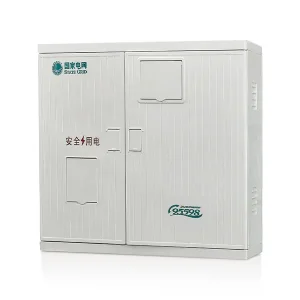
Primary Distribution & Metering Assemblies for Indian Grids
Featuring robust, high-withstand medium-voltage switchgear assemblies, heavy-duty metering protection enclosures, and precision-tested distribution nodes compliant with CEA and State DISCOM specifications.
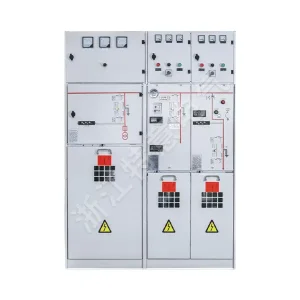
China Ring Main Unit Factories, Factory – 11kV/33kV GIS RMU for India Feeder Automation
Explore RMU Specifications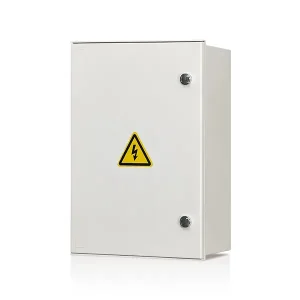
Wholesale China Suppliers Factory TY-SXD1-FSH1 Waterproof Box for Reliable IP44 Protection
View IP44 Box Details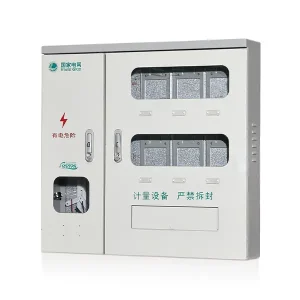
Wholesale China Stainless Steel Single Phase Electric Energy Metering Box – Heavy Duty Enclosure
Inspect SS Meter Enclosures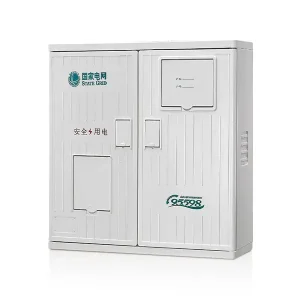
China Suppliers Factory TY-SXS1 A-Type Box for Low and High Voltage Meter Protection
Check TY-SXS1 SpecsMedium-Voltage Grid Reliability: The Strategic Role of RMUs in India’s Energy Renaissance
The medium-voltage (MV) secondary power distribution landscape across India is undergoing the most monumental paradigm shift in its history. Driven by the ambitious Revamped Distribution Sector Scheme (RDSS) backed by an outlay of over ₹3.03 lakh crore (approx. US$37 billion), Indian state power distribution companies (DISCOMs)—including Tata Power, BSES, BESCOM, MSEDCL, UGVCL, and TANGEDCO—are aggressively phasing out aged, open-terminal air switchgear in favor of hermetically enclosed, compact, and automated Ring Main Units (RMUs).
A Ring Main Unit acts as the neurological switching center of a loop distribution network. By providing uninterrupted loop-in, loop-out feeder continuity alongside Tee-off circuit breaker or load-break switch protection for distribution transformers (DTs), RMUs prevent localized fault cascades. When an underground cable faults in dense urban corridors such as Mumbai, Delhi-NCR, Hyderabad, or Bengaluru, an automated RMU isolates the faulted section within milliseconds via numerical directional relays and motor-driven mechanisms. This instantly restores power to unaffected downstream substations, directly collapsing System Average Interruption Duration Index (SAIDI) and System Average Interruption Frequency Index (SAIFI) metrics.
As a seasoned original design manufacturer (ODM) and tier-one OEM factory located in Yueqing—the world-renowned Electrical Capital of China—we bridge cutting-edge automated switchgear fabrication with the rigorous, cost-optimized, and climate-demanding requirements of Indian utility EPCs, private power developers, metro rail authorities, and heavy industrial conglomerates.
Indian Commercial and Industrial Operating Realities for Switchgear
Operating medium-voltage switchgear in India requires engineering resilience against extreme thermal profiles, seismic factors, monsoonal flash-flooding, high dust indices, and aggressive industrial pollutants.
RDSS & DISCOM Automation
Under RDSS mandates, DISCOMs are transforming secondary distribution substations into SCADA-connected smart nodes. Modern RMUs destined for Indian tenders must integrate seamlessly with Feeder Remote Terminal Units (FRTUs), supporting Modbus, DNP3, and IEC 60870-5-104 telemetry over 4G/5G cellular channels.
Solar & Wind Generation Feeders
India's rapid drive toward 500 GW of non-fossil capacity by 2030 requires rugged 33kV RMU switchgear in massive solar parks in Rajasthan, Gujarat, and Andhra Pradesh. Units must withstand frequent breaker switching, harmonic currents, high ambient solar radiation, and desert sand ingress.
Hyperscale Data Centers & Metros
With massive data center campuses clustering around Navi Mumbai, Chennai, and Noida, Tier III/IV uptime demands dual-source automated busbar transfer RMUs. Simultaneously, expanding metro rail transit lines demand compact footprint internal arc-classified switchgear (IAC AFLR).
Extreme Environmental De-Rating Considerations in India
Unlike temperate Western climates where 40°C represents the maximum ambient threshold, switchgear installations in Northern and Central India (such as Rajasthan, Madhya Pradesh, and Uttar Pradesh) regularly experience ambient outdoor kiosk temperatures exceeding 50°C during summer peak. Furthermore, relative humidity in coastal industrial clusters like Gujarat's Dahej, Maharashtra's JNPT corridor, or Odisha's Paradip reaches 95% at elevated temperatures, generating intense condensation cycles.
Consequently, standard off-the-shelf switchgear risks catastrophic insulation breakdown or thermal runaway. Our factory engineers units specifically de-rated and optimized for Indian tropical conditions: utilizing high-grade 3mm AISI 304 or 316L stainless steel laser-welded robotically for the gas tank, enhanced busbar cross-sectional silver-plated copper conductors, and high-creepage hydrophobic silicone/epoxy bushings.
Localized Turnkey Scenarios: Tailored for Indian Infrastructure
How our Gas-Insulated and Solid-Insulated RMUs deploy across mission-critical utility, transit, renewable, and real estate sectors.
| Application Sector | Typical Voltage & Configuration | Environmental / Operational Challenges | TDM Engineering Solution Delivered |
|---|---|---|---|
| City Underground Power Cabling (Smart Cities) | 11kV / 22kV: 3-Way (CCV), 4-Way (CCVV) Compact GIS | Waterlogging during monsoon, restricted street-side sidewalk footprint, high pedestrian density. | Hermetically sealed IP67 stainless steel tank, outdoor IP54 ventilated kiosk enclosure with anti-condensation space heaters, SCADA FRTU integration. |
| Utility-Scale Solar Parks (Bhadla, Pavagada, Khavda) | 33kV: Circuit Breaker Tee-off (CB) with Motorized Drive | Ambient heat >50°C, airborne abrasive sand dust, high DC-AC harmonic stresses from inverters. | Heavy-duty vacuum circuit breaker (VCB) mechanisms rated for 10,000 mechanical operations, specialized sand-tight silicone gaskets, silver-plated copper busbars. |
| Metro Rail Auxiliary Substations (DMRC, MMRDA, BMRCL) | 33kV: Modular Extendable GIS RMU (C-V-C-V-Bus coupler) | Confined underground tunnel substations, strict passenger safety codes, low toxicity flame retarding requirements. | Internal Arc Classified IAC AFLR 21kA 1s with integrated gas relief ducting, zero halogen low smoke wiring, SF6 pressure gauge with dual-stage micro-switch contacts. |
| Heavy Chemical & Steel (Gujarat PCPIR, Odisha belt) | 11kV / 33kV: Metering + VCB Protection Unit | High airborne sulfur dioxide (SO2), hydrogen sulfide (H2S), salt-laden saline coastal breeze. | Electrostatic epoxy powder-coated 2.5mm marine-grade enclosure, tin/silver-plated copper terminals, shielded solid-insulated or gas-sealed medium-voltage compartment. |
| High-Rise Commercial & Data Hubs | 11kV: Automated ATS Dual-Incomer with Bus Sectionalizer | Stringent power quality standards, zero downtime tolerance, tight basement spatial envelope. | Ultra-compact footprint (<420mm per functional bay), high-speed automatic transfer switch (ATS) scheme (<100ms switchover), Class 0.2S high-precision tariff metering. |
Engineering Anatomy: 11kV / 22kV / 33kV Switchgear Architectures
Exacting compliance with IEC 62271-200, IS/IEC 62271-100, and Central Electricity Authority (CEA) Technical Standards.
1. Gas-Insulated Switchgear (GIS RMU) with Hermetic Stainless Steel Tank
Our standard GIS RMU incorporates a 3.0mm thickness robotic laser-welded grade 304 or 316L stainless steel enclosure housing the vacuum interrupters, three-position disconnector/earthing switches, and copper main busbar system. The tank is pressurized with SF6 gas at a low relative gauge pressure of 0.03 to 0.05 MPa (0.3 to 0.5 bar) at 20°C. Due to vacuum laser welding and double O-ring EPDM seals, the annual gas leakage rate is rigorously maintained under 0.1% per annum, eliminating the need for periodic gas replenishment across an operational lifespan exceeding 30 years.
2. Solid-Insulated Switchgear (SIS): Eco-Friendly Non-Gas Alternative
Anticipating international environmental treaties and India's progressive net-zero industrial targets, our factory has pioneered Solid-Insulated Ring Main Units (SIS). In SIS architecture, each phase is entirely encapsulated within solid hydrophobic cycloaliphatic epoxy resin (HCEP) casting, physically isolating conductors and vacuum bottles from ambient oxygen, atmospheric humidity, and chemical vapor. This renders the unit entirely free from greenhouse fluorinated gases (SF6-Free), providing an intrinsically safe, explosion-resistant solution ideal for underground basements, hospital substations, and eco-sensitive zones.
3. Intelligent Secondary Automation: The Digital Smart RMU
Modern Indian DISCOM tenders universally mandate feeder automation capabilities. Our smart RMUs are factory-fitted with digital secondary systems:
- Self-Powered Numerical Relays: Microprocessor-based relays (supporting 50/51 overcurrent, 50N/51N earth fault, and sensitive earth fault SEF) powered directly from low-power current transformers (LPCTs) or auxiliary dual-feed sources.
- Integrated Fault Passage Indicators (FPI): High-visibility bidirectional directional FPIs with LED fault indication and dry auxiliary output contacts connected to the SCADA FRTU.
- Comprehensive Remote Telemetry: Motor-operating mechanisms (24V DC / 48V DC / 110V DC / 230V AC) for circuit breakers and load break switches enabling remote tripping and closing commands from centralized DISCOM Load Dispatch Centers (SLDC).
The Yueqing Ecosystem: Resilience, Agility, and Unmatched Cost Efficiency
Why international EPCs and leading Indian switchgear aggregators partner directly with our specialized Yueqing manufacturing base.
Full Vertical Integration
From in-house SMC compression molding presses (300T to 2000T capacity), CNC laser cutting, and robotic welding to automated vacuum interrupter testing and epoxy casting, our 100% vertically integrated plant eliminates intermediary sub-assembly markups and reduces supply chain friction.
Rapid Prototyping & Agile Lead Times
Located in Yueqing—the world's most concentrated hub for electrical switchgear components—we access raw materials, silver contacts, busbars, and secondary accessories within minutes. We deliver custom-engineered prototype samples in 15 days, and containerized mass production orders in 25–35 days.
Automated Quality Checkpoints
Every single RMU undergoes 100% automated routine factory acceptance tests (FAT) before shipment: Helium mass spectrometer vacuum leak testing (<1×10⁻⁸ mbar·l/s), power frequency withstand voltage testing (42kV / 70kV 1min), and micro-ohm busbar contact resistance verification.
Indian Regulatory Compliance: BIS, CEA, and CPRI/ERDA Alignment
Ensuring complete regulatory certainty for Indian infrastructure contracts and high-stakes EPC power distribution bids.
Switchgear deployment in India is strictly governed by the statutory requirements formulated by the Central Electricity Authority (CEA) and the Bureau of Indian Standards (BIS). Navigating these requirements demands a manufacturer with deep, comprehensive familiarity with the relevant Indian and international electrotechnical harmonizations:
- IS/IEC 62271-200: High-voltage switchgear and controlgear – Part 200: AC metal-enclosed switchgear and controlgear for rated voltages above 1 kV and up to and including 52 kV. Covers internal arc classification (IAC AFLR).
- IS/IEC 62271-100: Alternating-current circuit-breakers. Governs short-circuit making and breaking tests, electrical endurance (E2 class), and mechanical endurance (M2 class – 10,000 cycles).
- IS/IEC 62271-102: Alternating current disconnectors and earthing switches. Ensures positive interlock integrity between disconnector, breaker, and earthing mechanisms.
- CEA Technical Standards for Construction of Electrical Plants and Electric Lines Regulations: Defines safety clearances, gas monitoring, SCADA remote interface rules, and mandatory safety interlocking.
Our RMUs have been designed and validated against type-test protocols identical to those conducted at accredited testing laboratories such as CPRI (Central Power Research Institute, Bengaluru) and ERDA (Electrical Research and Development Association, Vadodara). We provide comprehensive Type Test Certificates covering temperature rise test at maximum rated continuous current (630A/1250A), short-time and peak withstand current tests (21kA/3s, 52.5kA peak), lightning impulse voltage tests (75kV/170kV peak), and internal arc testing (IAC AFLR 21kA 1s) to guarantee operator safety in urban public areas.
Frequently Asked Questions: RMU Procurement for India
Practical technical and commercial answers for utility engineers, electrical contractors, and import procurement directors.
What are the key differences between 11kV and 33kV RMUs commonly specified in Indian tenders?
How does your factory ensure the RMU withstands waterlogging during Indian monsoons?
Can your RMUs be customized to integrate specific Indian relay brands like Schneider, ABB, or Ashida?
What type testing documentation is supplied with RMU consignments shipped to India?
What is the lead time and shipping logistics route from your Yueqing factory to Indian ports?
How does the total cost of ownership (TCO) of your GIS RMUs compare to conventional air-insulated switchgear?
Engineered Metering, Distribution Cabinets & Branching Solutions
Complete secondary distribution support equipment: explore our industrial-grade single-phase, three-phase, transformer-rated, and outdoor cable branch systems deployed alongside MV switchgear.
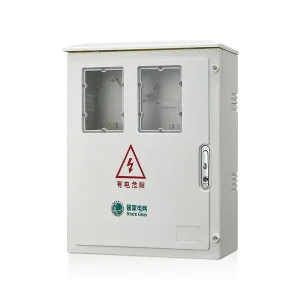
Wholesale Durable TY-SXS3-2B D-Type Box – Reliable Industrial Electrical Meter Cabinet
Explore TY-SXS3-2B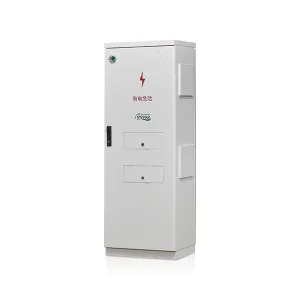
China Stainless Steel Single Phase Twelve-Position Meter Enclosures – Durable Floor-Standing Type
View 12-Position Cabinet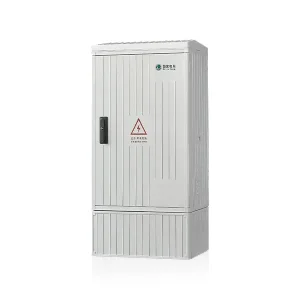
Wholesale China TY-DFW Floor-Standing Cable Branch Box – Heavy Duty Outdoor Feeder Enclosure
Inspect TY-DFW Box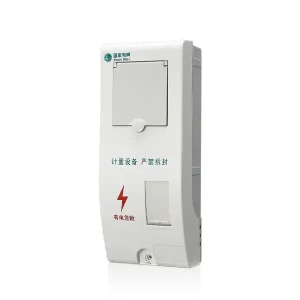
China TY-SXD1 Single-Phase Electric Energy Metering Box Factory for 50Hz/60Hz Utility Networks
Explore TY-SXD1 Model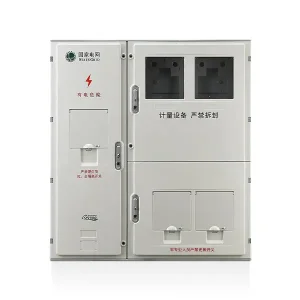
Wholesale TY Three-Phase Electric Energy Metering Box (Transformer Type) – CT Operated Enclosure
View CT Metering Box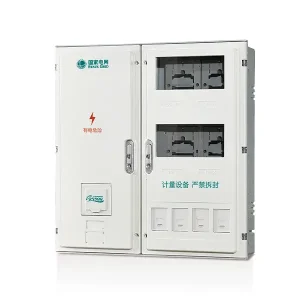
Wholesale Single-Phase Electric Energy Metering Box TY-SXD2 Series – Reliable Power Measurement
Check TY-SXD2 Series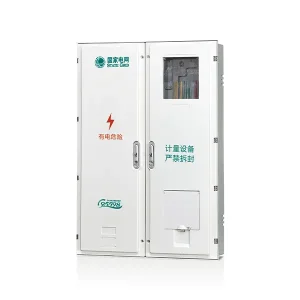
China Three-Phase Electric Energy Metering Box (Transformer Type) – Heavy-Duty Substation Unit
Examine Three-Phase Box