
High-Efficiency 200A Utility Meter Enclosures
Explore heavy-duty single-phase and three-phase meter enclosures manufactured under rigorous quality-assurance protocols in Yueqing, China's world-renowned electrical manufacturing epicenter.
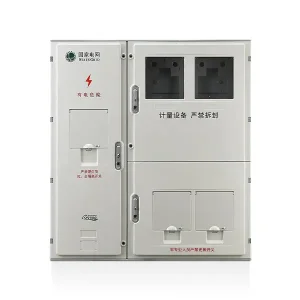
Wholesale China TY Three-Phase Electric Energy Metering Box (Transformer Type) - Suppliers and Factory Direct Solutions Factories, Factory
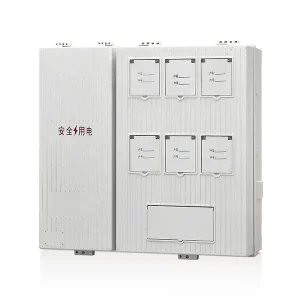
Wholesale China Suppliers Factory TY Single-Phase Electric Energy Metering Box - Safe and Reliable Outdoor Installation Manufacturer, Supplier
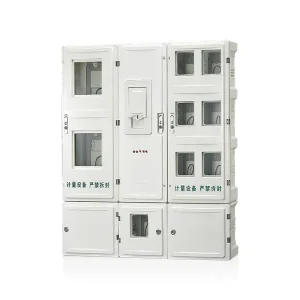
China Three-Phase Two-Position & Single-Phase Six-Position Electric Energy Metering Box - China Suppliers & Factory Manufacturers, Supplier
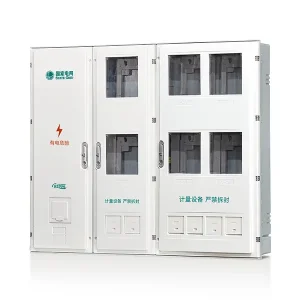
China China TY Three-Phase Electric Energy Metering Boxes - Reliable Suppliers and Factory for Efficient Energy Management Manufacturers, Suppliers
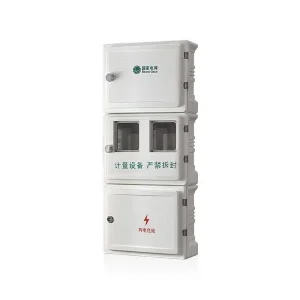
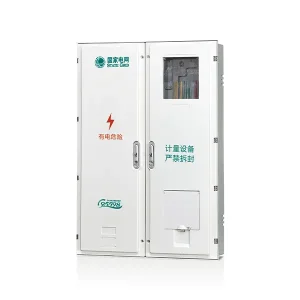
China Three-Phase Electric Energy Metering Box (Transformer Type) - TY-SXS3 by Teyi Electric Co., Ltd., China Suppliers, Factory Manufacturers, Factories
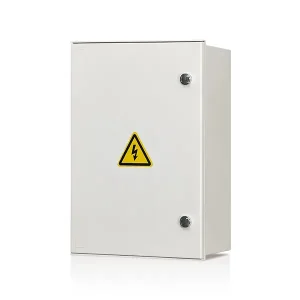
Wholesale China Suppliers Factory TY-SXD1-FSH1 Waterproof Box for Reliable IP44 Protection Against Moisture and Dust Manufacturer, Factory
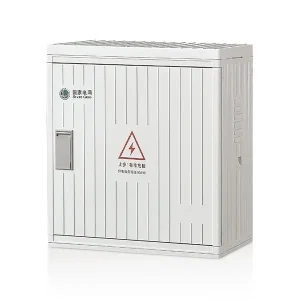
China China TY-DFW-7A Branch Box - Insulated Electrical Component Box from Reliable Suppliers and Factory Manufacturer, Manufacturers
The 200 Amp Standard: The New Global Paradigm in Energy Metering
Analyzing the critical convergence of distributed renewable generation, residential EV charging infrastructure, and commercial electrification that cements the 200 Amp outdoor meter box as the pivotal node of the power grid edge.
Electrification & Load Escalation
The global shift from fossil fuel residential heating and ICE vehicles toward heat pumps and Level 2/3 electric vehicle supply equipment (EVSE) has elevated average residential peak loads past traditional 60A and 100A limits. As a direct result, utility providers across North America, Europe, Australia, and the Middle East are standardizing new installations and service upgrades to a minimum continuous rating of 200 Amperes.
Thermal Dissipation Dynamics
Under continuous maximum service conditions of 200A, the internal Joule heating (I²R losses) across busbars, jaws, and CT connections generates substantial thermal pressure. Leading manufacturers utilize Sheet Molding Compound (SMC) formulations and structural ventilation louvers engineered with aerodynamic labyrinth baffling to exhaust thermal accumulation without breaching IP-rated environmental seals.
Grid Resilience & Tamper Deterrence
Non-technical energy losses (electricity theft) cost utilities tens of billions of dollars annually. Modern 200 Amp outdoor meter enclosures feature integrated padlocking hasps, sealable transparent viewing windows made from UV-stabilized polycarbonate, tamper detection switches, and concealed fastening hinges that resist prying, drilling, and arc flash ignition incidents.
Engineering Comparative: SMC Composite vs. Stainless vs. Galvanized Steel
A data-backed evaluation of enclosure substrate performance under prolonged UV, corrosive coastal salinity, mechanical impacts, and arc fault conditions.
| Evaluation Parameter | SMC Fiberglass Reinforced Polymer (GRP) | AISI 304 / 316 Stainless Steel | Cold-Rolled Galvanized Steel |
|---|---|---|---|
| Dielectric Strength | Inherent Insulator (>15 kV/mm) | Conductive (Mandatory Earthing Bond) | Conductive (Failure Risk if Bond Corrodes) |
| Atmospheric Corrosion (Salt Fog) | Impervious to Rust; ASTM B117 > 1,000h clean | High resistance (316 Marine Grade excels) | Moderate; rust blooms appear on cut edges |
| Mechanical Impact (IK Code) | IK10 (Resistant to heavy kinetic impact) | IK10+ (Extremely rigid, potential deformation) | IK08–IK09 (Susceptible to permanent denting) |
| Thermal Conductivity (k) | 0.25 – 0.35 W/m·K (Thermal barrier) | 16.2 W/m·K (Transfers external ambient heat) | 50.0 W/m·K (Rapid heat absorption in sunlight) |
| Design Service Life (Outdoor) | 30 to 40+ Years | 25 to 35 Years | 10 to 15 Years (Paint degradation dependent) |
| Electromagnetic Transparency | 100% Transparent (Seamless for Smart AMI/RF) | RF Shielding (Requires external antenna) | RF Shielding (Requires external antenna) |
| Total Cost of Ownership (TCO) | Lowest (Zero maintenance, zero repainting) | High Initial CapEx, low maintenance | Low Initial, High Maintenance & Replacement |
Why Utilities Specify SMC Compression Molding
Sheet Molding Compound (SMC) comprises chopped glass-fiber filaments bound in an unsaturated polyester resin matrix, hot-press molded under 1,000 to 2,000 tons of hydraulic pressure at 150°C. This chemical-physical process produces an isotropic material with uniform structural density, extreme dimensional stability across -40°C to +140°C, and self-extinguishing flame-retardant characteristics conforming to UL 94 V-0.
RF Signal Transmission for Smart AMI Grids
Advanced Metering Infrastructure (AMI) relies heavily on cellular (NB-IoT, LTE-M) or mesh RF communication modules built inside 200 Amp smart meters. Unlike steel or aluminum housings that act as Faraday cages—causing dropped meter read packets and requiring costly external antennas—SMC allows electromagnetic waves to pass with virtually zero dB attenuation.
Safety: Touch-Potential & Arc Protection
In municipal and residential environments, public contact safety is paramount. SMC enclosures eliminate catastrophic electrical shock hazards caused by phase-to-enclosure faults or missing ground conductors. The substrate cannot carry electrical potential, preventing accidental electrocution even if an internal 200 Amp busbar works loose during seismic or thermal stress.
Global B2B Procurement Specifications for 200 Amp Meter Boxes
A rigorous engineering procurement matrix designed for utility procurement directors, international EPC contractors, and electrical wholesalers evaluating factory supply chain partners.
1. Busbar Ampacity & Metallurgy
A genuine 200A rating demands high-conductivity electrolytic copper busbars (minimum 99.95% IACS conductivity) or high-grade tin-plated aluminum alloy engineered to keep temperature rise below 50K at full load, strictly complying with IEC 61439-1 and UL 67 guidelines.
2. Ingress & Environmental Seals
Outdoor field enclosures must maintain IP54 (standard rainproof) up to IP66 (complete dust-tight and heavy water jet protection), or NEMA 3R/4X equivalency. Buyers should verify continuous, one-piece poured-in-place polyurethane (PU) foaming gaskets along door perimeters to ensure longevity under severe thermal cycling.
3. Jaw Configuration & Bypass Mechanisms
For North American / ANSI systems, procurement must define 4-jaw, 5-jaw, or 7-jaw configurations with options for horn bypass, lever bypass (Class 200), or automatic bypass. For IEC multi-phase setups, standardized DIN-rail spacings, sealable MCCB compartments, and neutral disconnect terminals must be clearly specified.
4. Short-Circuit Withstand Capacity
Enclosure terminal blocks and internal assemblies must withstand fault currents without explosive rupture or conductor detachment. Leading factories qualify their 200 Amp boxes with a short-time withstand current rating (Icw) of up to 30 kA for 1 second, backed by certified high-power laboratory type tests.
5. Precision Tooling & Mold Integrity
Direct factory buyers should demand multi-cavity hardened steel tooling (H13 or P20 alloy steel) that ensures tight tolerance control (±0.2mm), high ribbing reinforcement along structural stress vectors, and interchangeable insert cores to accommodate diverse cable knockout sizes (e.g., 1.5", 2", 2.5").
6. Anti-Corrosion Hardware Specs
Enclosures exposed to open weather often fail at hardware connection points. Top-tier manufacturers utilize exclusively 304 or 316 stainless steel hinges, latching rods, exterior screws, and ground lugs to prevent galvanic corrosion between dissimilar metals and maintain mechanical integrity over decades.
Macro Industry Solutions & Engineered Application Architectures
Tailored 200A distribution architectures providing dependable revenue metering, circuit isolation, and environmental survivability across critical modern sectors.
1. Utility-Scale & Distributed Solar PV
Modern rooftop and ground-mount PV arrays require bidirectional 200A revenue metering capable of monitoring both grid feed-in and consumption. Teyi's UV-inhibited SMC meter boxes endure high-altitude irradiance without yellowing, chalking, or cracking, ensuring undisturbed telemetry transmission from internal CTs and net meters.
2. High-Density Multi-Family & Real Estate
Urban real estate towers demand clean, centralized metering banks. Our modular single-phase (TY-SXD series) and three-phase solutions can be arranged in gangable meter center stacks (2 to 12 positions) featuring separate customer disconnect sections, individual locking rings, and fire-resistant inner compartments.
3. Extreme Petrochemical & Coastal Sites
Corrosive industrial chemicals, airborne acids, and salty maritime breezes corrode conventional sheet metal boxes in under 36 months. Teyi’s high-compression SMC formulations and 316 stainless steel JP meter cabinets deliver complete immunity to chemical vapor attacks and salt mist degradation.
4. Commercial EV Fleet Charging Depots
Fleet charging stations require continuous, high-duty service entrance hubs. Operating at or near their full 200A threshold for hours during overnight fleet replenishment, our meter cabinets feature optimized internal air convection chambers that eliminate hot spots around internal main circuit breakers.
5. Rural Electrification & Agricultural Grids
Pole-mounted distribution boxes in rural regions must survive severe wind-blown sand, tropical downpours, and unconditioned power surges. With reinforced pole-mounting brackets, anti-vibration rubber dampers, and internal surge arrester (SPD) mounts, our enclosures deliver maintenance-free field operation.
6. Mining & Heavy Aggregate Processing
Heavy quarrying and mineral processing environments involve intense vibration, airborne abrasive particulates, and heavy washdown procedures. Rated to IK10 mechanical impact and sealed to IP66, our enclosures prevent dust intrusion that leads to internal flashover.
Global Grid Code Compliance & Factory Testing Standards
How Teyi Electric guarantees that every 200 Amp outdoor metering cabinet conforms with precision to national electrical regulatory codes across the Americas, EMEA, and Asia-Pacific.
North American Compliance (ANSI / UL)
Engineered to meet the stringent criteria of UL 50 / UL 50E for electrical equipment enclosures and UL 414 for meter sockets. Enclosures support Form 2S single-phase and Form 16S three-phase sockets, accommodating both overhead service drop and underground lateral service entries with heavy-duty conduit knockouts.
International Electrotechnical Standards (IEC)
Fully compliant with IEC 62052-11 (general requirements for metering equipment) and IEC 61439-1/-2 (low-voltage switchgear and controlgear assemblies). All designs undergo rigorous dielectric testing (up to 4 kV impulse withstand), glow wire flammability testing at 960°C (IEC 60695-2-11), and tracking index verification (CTI > 600V).
Quality Control & Batch Traceability
Every wholesale batch manufactured in our Yueqing production base undergoes 100% incoming raw resin batch analysis, automated compression pressure logging, dimension laser scanning, IP seal leak testing, and torque tension checks on busbar connections. Laser-etched QR codes ensure full lifecycle manufacturing traceability.
Technological Roadmap: The Evolution of 200A Smart Meter Enclosures
Anticipating the technological demands of the smart grid over the next decade through proactive R&D in advanced materials, embedded sensors, and circular economy manufacturing.
Embedded IoT & Optical Sensors
Next-generation 200A enclosures will integrate embedded temperature sensor strips directly onto main terminal lugs and neutral disconnects, paired with passive RFID or BLE beacons. This allows utility technicians to identify micro-arcing and loose terminal connections wirelessly before catastrophic thermal failure occurs.
Grid Edge Dynamic Load Management
With smart panels rapidly proliferating, meter boxes are expanding to house utility-controllable disconnect contactors. These allow grid operators to dynamically shed 200A non-critical residential branch loads during peak demand events while safeguarding basic household power circuits.
Bio-Based & Recyclable SMC Resins
In response to international Scope 3 carbon reduction mandates, our materials laboratory is spearheading bio-resin formulations replacing petroleum-derived styrene with plant-based alternatives. This delivers circular recyclability while preserving the class-leading tensile strength and UL 94 V-0 flame ratings of conventional SMC.
Frequently Asked Questions: Wholesale 200A Meter Enclosures
In-depth, technically authoritative answers to the primary design, manufacturing, and procurement inquiries posed by global engineering consultants and procurement executives.
What differentiates a true 200 Amp continuous-rated meter box from an intermittent 200A maximum enclosure?
How does Sheet Molding Compound (SMC) prevent condensation inside outdoor meter boxes?
What is the minimum short-circuit withstand capacity (Icw) required for municipal 200A installations?
Can Teyi Electric customize mold cavities and punchings for regional utility specifications?
How does Teyi Electric test the UV resistance of its outdoor fiberglass meter enclosures?
What locking and anti-theft mechanisms are integrated into your 200 Amp outdoor meter enclosures?
What are the wholesale Minimum Order Quantities (MOQ) and lead times for container shipments?
Why is compression molding superior to injection molding for 200A outdoor electrical cabinets?
Advanced Sub-Distribution & Multi-Position Metering Enclosures
Explore our extended catalog of stainless steel JP cabinets, single-phase modular banks, and sealed IP44/IP65 cable branch units engineered for comprehensive grid infrastructure deployment.
China TY Series Single-Phase Electric Energy Metering Box - Reliable Safety from China Suppliers and Factory Supplier, Factory
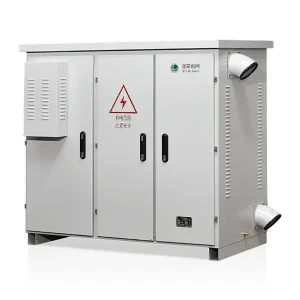
China China Stainless Steel JP Cabinet Supplier - Durable Factory Solution for Power Distribution Systems Manufacturer, Supplier
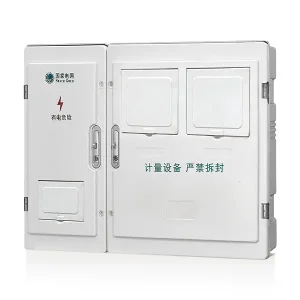
China TY-SXS2-DXJ Low Voltage Three-Phase Electric Energy Metering Box - China Suppliers & Factory Options Available Suppliers, Factories
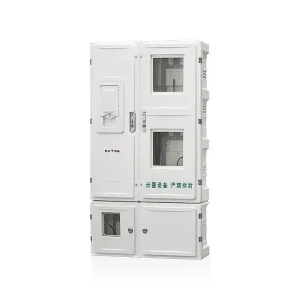
China Three-Phase Electric Energy Metering Box TY-SXS2 from China Suppliers and Factory for Efficient Power Management Manufacturers, Factory
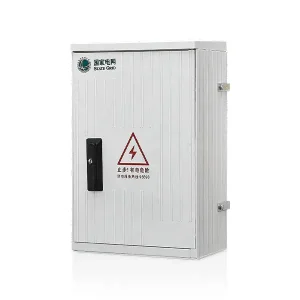
China China Suppliers TY-SXD1-FSH1 Waterproof Box - Durable IP44 Protection for Meters from Trusted Factory Manufacturer, Factory
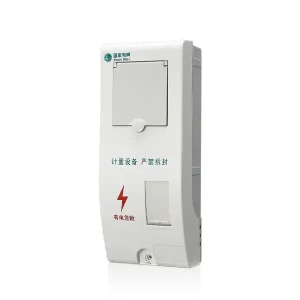
Wholesale China TY-SXD1 Single-Phase Electric Energy Metering Box - Reliable Suppliers & Factory Solutions Supplier, Factory