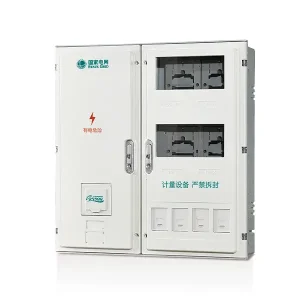
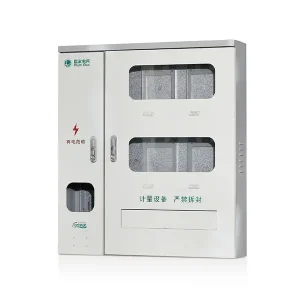
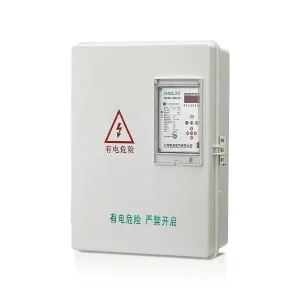
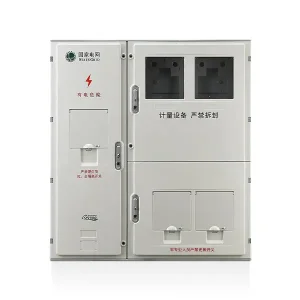
Smart Metering & Enclosure Solutions (Series I)
Field-proven single-phase and three-phase meter housings engineered with dielectric SMC fiberglass and industrial-grade stainless steel for loss reduction and tamper mitigation.
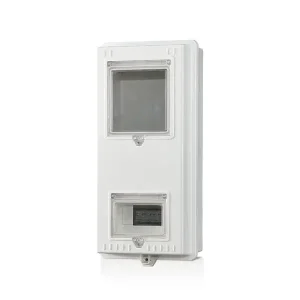
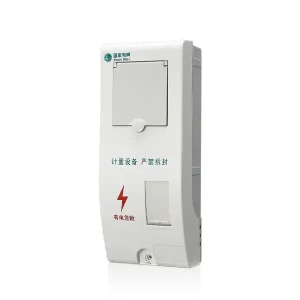
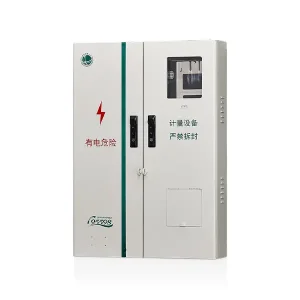
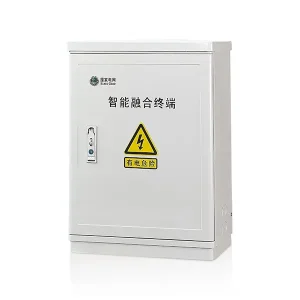
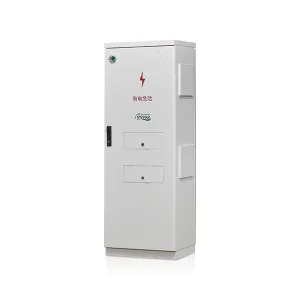
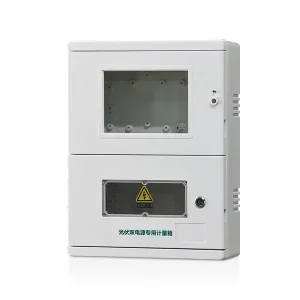
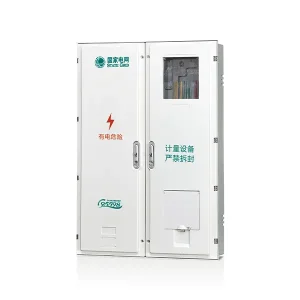
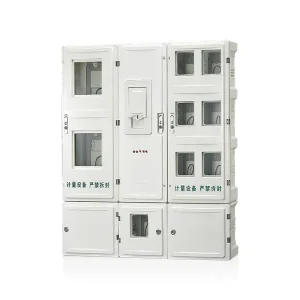
Evolutionary Dynamics of Slimline Electric Meter Box Engineering
Addressing structural footprint limitations, Advanced Metering Infrastructure (AMI) integration, and revenue protection in modern distribution systems.
The rapid acceleration of global urbanization, paired with decentralised microgrids and utility modernization projects, has completely redefined what network planners demand from an outdoor electricity distribution terminal. Conventional heavy-gauge metallic meter cabinets, while structurally sound, have increasingly presented significant challenges in contemporary multi-family complexes, compact industrial parks, and dense residential alleys. Their excessive physical footprint, susceptibility to galvanic corrosion in humid or coastal zones, and safety risks linked to accidental enclosure energization have forced grid operators to migrate toward engineered slimline composite enclosures.
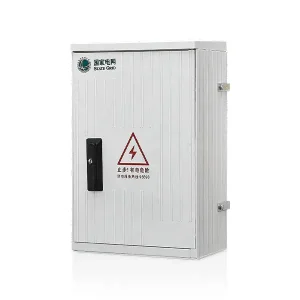
A modern slimline electric meter box embodies a departure from bulky dimensional footprints without compromising dielectric insulation, internal clearance distances, or heat dissipation. Built around high-temperature Sheet Molding Compound (SMC) formulations and precision stainless assemblies, slimline enclosures minimize installation depth by up to 35% compared to older designs. This geometric optimization allows EPC contractors and utility field technicians to mount assemblies directly onto narrower corridors, utility poles, boundary walls, and prefabricated distribution pillars where standard clearances are difficult to maintain.
Simultaneously, the global shift toward smart grids requires enclosures to integrate seamlessly with RF mesh, cellular NB-IoT, and PLC communication protocols. Metallic boxes often create Faraday cages that attenuate wireless signals, leading to high packet-loss rates in Advanced Metering Infrastructure (AMI). The glass-fiber reinforced unsaturated polyester (GRP/SMC) utilized by premier China suppliers provides zero radio-frequency interference, ensuring transparent signal transmission from integrated smart meters, load-break switches, and transformer monitoring units (TTU) straight to utility data management centers.
Global Procurement Demands & Risk Mitigation Strategies
A technical assessment of challenges faced by international EPCs, national utilities, and wholesale distributors when selecting meter box manufacturing partners.
Mitigating Revenue Leakage (Non-Technical Losses)
Unmetered electricity consumption and manual meter manipulation continue to inflict multi-billion dollar losses on power utilities worldwide. Engineered slimline meter enclosures incorporate isolated split-chamber architecture: an accessible circuit-breaker compartment for consumers, juxtaposed with a laser-sealed, utility-only utility chamber protected by three-point anti-tamper padlocking mechanisms, optical tamper switches, and high-impact polycarbonate monitoring windows.
Total Life-Cycle Cost (LCC) Optimization
While low-cost PVC or unprotected metal boxes appear economical initially, their rapid degradation under intense UV radiation, industrial chemical smog, and maritime saline mist necessitates replacement cycles of 5 to 7 years. Sourcing hot-compression molded SMC slimline boxes delivers a documented operational lifespan exceeding 30 years outdoors and 40 years indoors, virtually eliminating post-commissioning maintenance overheads.
Complex Grid Regulatory Compliance
Global procurement teams must balance varying international standards, including IEC 61439-1/-3, IEC 60529 (IP65 ingress sealing), IEC 62262 (IK10 mechanical impact protection), and UL 94 V-0 flammability ratings. Premier tier-1 China suppliers maintain tight engineering feedback loops, providing fully documented type-test certifications from accredited third-party test bodies before mass shipping.
China Factory 4.0: Yueqing Supply Chain Resilience & Precision
How the geographical concentration of precision molding, automated tooling, and low-voltage electrical components accelerates international project deliveries.
The Yueqing Electrical Ecosystem Synergy
Situated in the Yueqing Economic Development Zone—globally celebrated as the "Electrical Capital of China"—our manufacturing base operates at the nexus of the world's dense low-voltage component ecosystem. Within a 15-kilometer operational radius, our facility accesses raw compound synthesis, precision steel tooling, automated busbar punchers, miniature circuit breakers (MCB), moulded case circuit breakers (MCCB), current transformers (CT), and specialized DIN-rail terminal accessories. This industrial agglomeration trims prototype turnaround down to days and reduces component transport costs to near zero.
Hydraulic Compression Automation & Closed-Loop QC
Our workshops deploy automated high-tonnage hydraulic presses (from 500 to 2,000 metric tons) operating with heated matched-metal dies. This process ensures precise matrix density, uniform glass fiber distribution, and elimination of localized voids or internal stresses. Automated CNC machining centers drill entry and exit glands according to utility specifications. Every production batch undergoes comprehensive quality testing: high-voltage breakdown dielectric resistance, glow-wire fire tests (up to 960°C), IP65 hydro-static water ingress verification, and mechanical impact testing.
Enclosure Metallurgy & Composites Performance Comparison
A reference guide to support electrical specifiers and utility tender panels in evaluating enclosure longevity and suitability.
| Evaluation Parameter | Compression-Molded SMC (Fiberglass) | Austenitic Stainless Steel (304 / 316) | Mild Carbon Steel (Powder Coated) | Injection-Molded Polycarbonate / ABS |
|---|---|---|---|---|
| Dielectric Safety | Total inherent insulation (Class II Protection) | Conductive; requires active grounding circuit | Conductive; fatal flashover risk on grounding failure | Good dielectric insulation |
| Corrosion Resistance | Immune to rust, salt fog, acids & hydrocarbons | High corrosion resistance (Grade 316 preferred) | Susceptible to rust when paint is scratched | Good chemical resistance, but UV sensitive |
| Mechanical Rigidity (IK Rating) | IK10 (Resists 20J impact, shatter-proof) | IK10 (High yield strength, resistant to dents) | IK08 - IK09 (Dents easily under blunt impact) | IK07 - IK08 (Can fracture at freezing temps) |
| Thermal Stability & Fire Safety | UL 94 V-0; Glow-wire tested up to 960°C | Non-combustible; high melting temperature | Non-combustible; coating emits smoke | Often flammable or drips under continuous arc |
| RF Transparency (Smart Metering) | 100% Transparent (Optimal for GSM/NB-IoT) | Shields RF (Requires external auxiliary antenna) | Shields RF (Attenuates wireless signals) | 100% Transparent to wireless frequencies |
| Service Life Expectancy | 30+ Years Outdoor / 40+ Years Indoor | 25–35 Years (Application dependent) | 8–12 Years (Requires periodic repainting) | 5–10 Years (Susceptible to UV embrittlement) |
Engineering Scenarios & Localized Global Deployments
Field installations of slimline distribution and metering systems across residential, industrial, and distributed energy infrastructures.
Dense Urban High-Rise Living
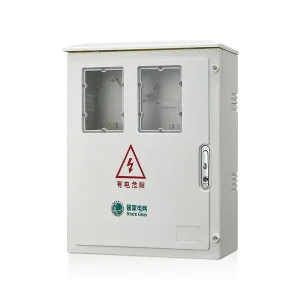
Modern residential complexes require centralized metering without taking up excessive corridor space. The TY-SXD2 series houses up to 12 single-phase meters within a streamlined footprint. Built-in cable raceways, dedicated busbar compartments, and transparent window seals allow meter readers and building maintenance teams to inspect units quickly without opening energized chambers.
Distributed Solar Photovoltaic Interconnection
Rooftop solar and commercial PV arrays require dedicated bidirectional metering boxes that can handle continuous outdoor UV exposure and heat. SMC photovoltaic enclosures provide IP65 weatherproofing, housing bidirectional meters, miniature surge arresters, DC isolators, and AC circuit breakers while resisting temperature swings from -25°C up to +50°C without warping.
Coastal Marine & Petrochemical Refining Plants
Harsh industrial environments containing airborne chlorides, sulfur dioxide, and chemical hydrocarbons rapidly corrode painted steel. Our fiberglass SMC and 316 stainless steel enclosures provide lasting durability in these challenging conditions, serving port facilities, offshore platforms, wastewater treatment works, and petrochemical complexes.
Frequently Asked Questions (FAQ)
Technical guidance on utility specifications, composite manufacturing, and international trade fulfillment.
What is the primary operational advantage of choosing SMC over conventional polycarbonate for outdoor slimline boxes?
Can internal layouts be customized to fit different regional smart meters (e.g., DIN-Rail vs. BS Mountings)?
How do slimline meter boxes maintain proper heat dissipation without compromising the IP65 ingress rating?
What documentation and test reports are provided for utility tender submissions?
What is the standard production lead time for sea-freight container orders?
Advanced Distribution, Branching & Sectionalizing Equipment (Series II)
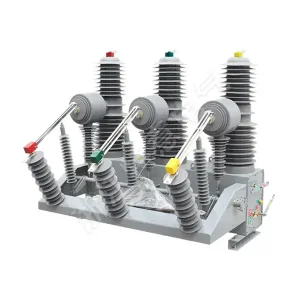
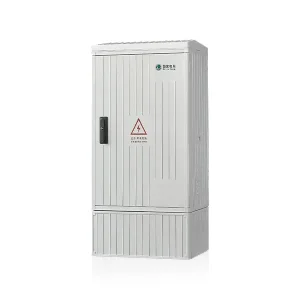
Complementary infrastructure equipment including outdoor cable distribution cabinets, pole-mounted switchgear, and multi-user terminal protection enclosures.