
Engineered Meter Enclosures & Switchgear Assemblies
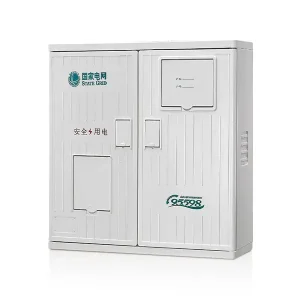
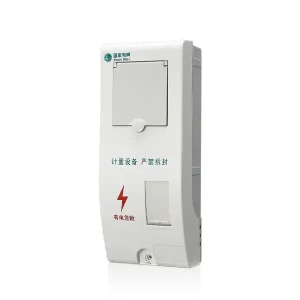
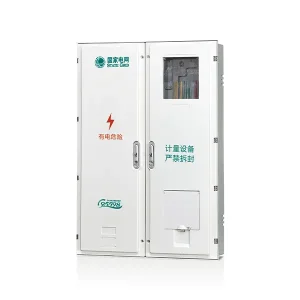
Factory-direct metering enclosures precision-molded from unsaturated polyester SMC composites and marine-grade stainless steel for grid edge installations.
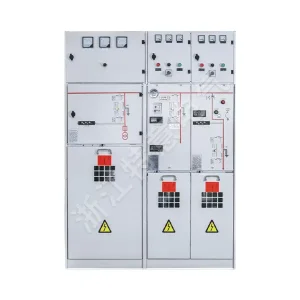
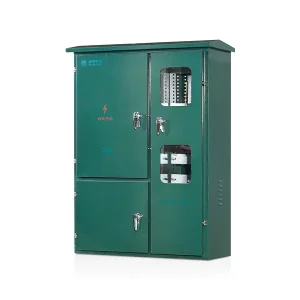
Global Landscape: Grid Modernization & Outdoor Enclosure Architecture
The worldwide transition from electromechanical revenue meters to Advanced Metering Infrastructure (AMI) and bidirectional smart meters has structurally redefined outdoor enclosure requirements.
AMI & IoT Transmission Integrity
Modern smart meters continuously transmit consumption metrics via NB-IoT, LTE-M, LoRaWAN, or RF mesh. Traditional thick carbon-steel housings form Faraday cages that degrade RF attenuation by upwards of 28 dB. Advanced Sheet Molding Compound (SMC) enclosures provide radio-transparent permittivity (ε ≈ 4.0 at 1 GHz), allowing seamless smart-grid telemetry without external aerial antennas.
Revenue Protection & Anti-Tampering
Commercial losses from electricity theft exceed $96 billion globally each year. Chinese tier-1 factories have engineered multi-tiered physical defense geometries: concealed internal three-point deadbolt latching, optical sensor mounts, RFID-enabled seal ports, and isolated utility/consumer split compartments that prevent unauthorized meter bypass while allowing end-user access to MCBs.
Climate-Resilient Material Transition
Extreme coastal humidity, solar irradiance, chemical particulates, and high temperature fluctuations trigger catastrophic oxidation in painted mild-steel cabinets within 3 to 5 years. Compression-molded SMC unsaturated polyester glass-fiber reinforced composites deliver over 30 to 40 years of service life without dielectric degradation or maintenance repainting.
Comparative Engineering Architecture: SMC vs. Metals vs. Polycarbonate
A direct technical comparison of structural materials used by Chinese manufacturers for high-reliability electrical distribution infrastructure.
| Evaluation Parameter | SMC Fiberglass (Teyi Standard) | Stainless Steel (304 / 316L) | Polycarbonate (PC / ABS Blend) | Cold-Rolled Sheet Steel (Painted) |
|---|---|---|---|---|
| Dielectric Strength | > 18 kV/mm (Complete Class II) | 0 kV/mm (Requires Earthing) | > 15 kV/mm (Insulating) | 0 kV/mm (Hazardous upon fault) |
| Mechanical Impact (EN 62262) | IK10 (≥ 20 Joules) | IK10+ (Extremely High) | IK08 - IK09 | IK09 (Susceptible to Denting) |
| UV Degradation (ISO 4892-2) | Class F1; > 10,000 hrs Xenon Arc | Impervious | Degrades / Crazes under high UV | Paint chalks; rust initiates |
| Thermal Distortion (HDT @ 1.8 MPa) | > 200°C | > 800°C | 120°C - 135°C | > 600°C |
| Flame Retardancy | UL94-V0 / IEC 60695 Glow-wire 960°C | Non-combustible | UL94-V1 / V2 standard | Non-combustible (coating burns) |
| Salt Spray Corrosion (IEC 60068-2-11) | > 2,000 hrs unaffected | 1,000 hrs (304) / 3,000 hrs (316L) | Unaffected chemically | Rust blooms within 240 hrs |
| RF Transparency (IoT Readability) | Loss tangent < 0.01; Excellent | Total reflection (Zero transmission) | Excellent | Total reflection (Zero transmission) |
SMC Compression Molding Mechanics
Our facility operates multi-ton high-tonnage hydraulic heat presses (630T to 2000T) with oil-heating planar tooling. Thermosetting sheet molding compound containing 25%–30% glass fiber reinforcement flows under uniform pressure (120–150 bar) and temperature (145°C–155°C), ensuring zero air void formation, uniform rib structural reinforcement, and isotropic mechanical stability.
Gasket Sealing & Thermal Balance
Outdoor enclosures balance ingress resistance with internal condensation control. CNC-applied continuous foamed polyurethane (PUR) gaskets achieve IP65 and IP66 hermetic sealing against driving monsoon rains and desert sandstorms. Micro-labyrinth natural ventilation baffles with breathable PTFE membranes prevent internal moisture buildup without lowering ingress ratings.
Mission-Critical Deployment Scenarios
Engineered configurations designed to handle specific operational stresses across diverse geographic and industrial environments.
Solar PV & Microgeneration
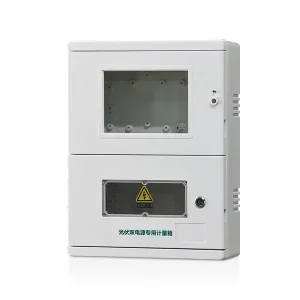
Distributed solar generation requires bidirectional metering, integrated DC/AC surge arresters, and rapid disconnection isolation. Our TY-SXD2-GF1 photovoltaic connection enclosures house dual-direction meters, DC circuit breakers, and grid-synchronization protection relays inside UV-stabilized SMC enclosures that resist hot rooftop environments.
Multi-Tenant High-Rise Metering
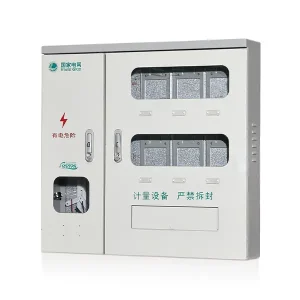
Civil residential complexes require high density metering solutions that maintain neat concealed wiring and easy operational access. The TY-SXD2 modular multi-position series (ranging from 2-meter to 12-meter clusters) features isolated busbar troughs, individual sealable sub-breaker compartments, and direct fire-retardant wall-chase integration.
Petrochemical & Coastal Industrial
Heavy industrial installations with airborne sulfur dioxide, chlorine, or constant salt fog demand high chemical resistance. Our 316L stainless steel and SMC enclosures feature seamless robot-welded or compression-molded corners, neoprene seals, and heavy-duty tamper-proof hinges, preventing catastrophic failure in harsh chemical atmospheres.
Rural Feeder Lines & Pole-Mounting
Rural distribution networks require robust enclosures mounted directly to concrete or wooden utility poles. Designed with integrated hot-dip galvanized steel pole-mounting brackets, anti-vibration rubber dampening bushes, and rain-shedding sloped roofs, these units resist continuous high-wind oscillations and monsoon storms.
Global Utility Compliance & Regional Tender Customization
Navigating regional grid codes requires tailored manufacturing configurations. We assist EPCs and utility concessionaires in meeting specific national standards.
Middle East & North Africa (MENA)
Compliance with SEC (Saudi Arabia), DEWA (Dubai), and Kahramaa specifications. Enclosures feature UV-stabilizer packages rated for ambient temperatures up to +55°C, reflective light-grey polyurethane coatings (RAL 7035 / RAL 7032), sand-resistant IP65 gaskets, and high-temperature brass connection blocks.
Sub-Saharan Africa & LatAm Concessions
Engineered for utility anti-theft initiatives (such as Eskom, Umeme, and Enel LatAm specifications). Equipped with split-prepayment keypad compartments, dual-key padlocking provisions, secondary utility punch seals, and high dielectric protection against unmetered service taps.
European & British Standard Markets
Direct adherence to BS 7657, BS EN 61439-1/-2, and DIN 43870 standards. Incorporating standardized triangular lock configurations, transparent polycarbonate reading viewports with Class 1 flammability resistance, and precision DIN-rail metering carriers ready for multi-tariff meters.
Full Testing Documentation for Tender Submissions
Every batch is certified by independent third-party laboratories (KEMA, CE, RoHS, CCC) with complete type-test reports: Glow Wire (IEC 60695), IP Ingress Protection (IEC 60529), Impact Resistance (EN 62262), and Temperature Rise Tests.
Technology Roadmap: Intelligent Substation & Metering Enclosures
From passive protective shells to active edge-sensing distribution nodes: our R&D trajectory for global grid electrification.
Passive Material Excellence
Ultra-low halogen SMC formulations with zero toxic smoke emissions during fires. Nanocomposite additives that improve thermal heat dissipation by 18%, keeping sealed smart meters cool in equatorial climates.
Integrated Edge Telemetry
Embedding micro-sensors directly into the SMC wall cavity during molding: internal humidity sensors, busbar micro-temperature probes, and magnetic tamper sensors that trigger automated alarms to the utility SCADA system.
Solid-State Micro-Switching
Direct integration of solid-state circuit breaking mechanisms and intelligent load-shedding modules into the meter enclosure architecture, enabling automated demand-side balancing during grid peak loads.
Bio-Resin Circular SMC
Transitioning to recyclable thermosets and plant-derived unsaturated polyester resins, reducing the cradle-to-gate carbon footprint of utility equipment by over 45% to help meet global net-zero targets.
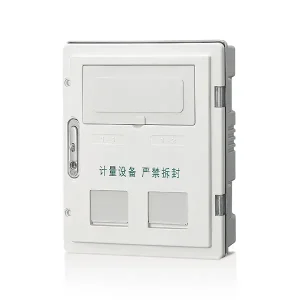
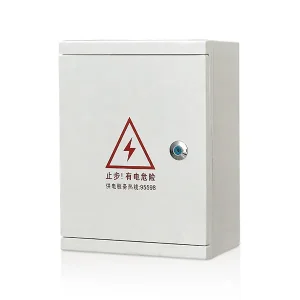
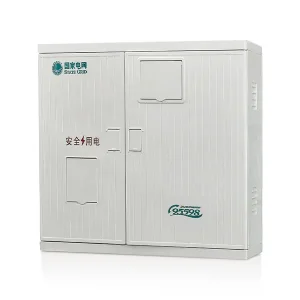
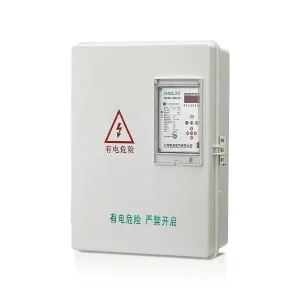
Specialized Collector, Transformer & Protection Enclosures
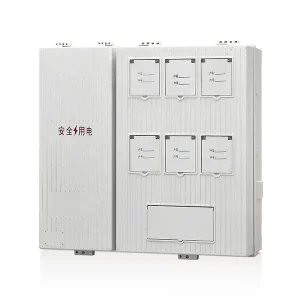
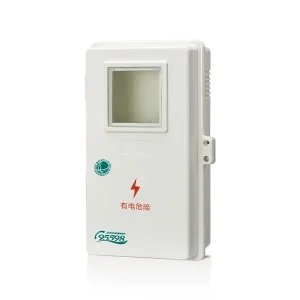
Explore the second half of our manufacturing line: single-phase collector boxes, control units, CT-operated transformer boxes, and grid-tied PV cabinets.
Engineering & Procurement FAQ for Overseas Buyers
Detailed answers to the key technical, manufacturing, and commercial questions raised by utility procurement committees and EPC engineers.
What precise resin formulation is utilized in your SMC meter boxes, and how does it prevent surface fiber bloom?
Our meter boxes use an advanced Sheet Molding Compound (SMC) consisting of unsaturated polyester resin, 28% to 32% chopped E-glass roving fibers (1-inch lengths), low-profile shrinkage additives, and surface-enriching fillers. To prevent fiber bloom (fiber exposure under UV degradation), our formulation includes hindered amine light stabilizers (HALS) and a pure resin-rich micro-layer on the mold surface. This guarantees clean weatherability exceeding 10,000 hours of xenon arc exposure according to ISO 4892-2, preventing dielectric tracking and discoloration over its 30-year design life.
How do Teyi compression-molded enclosures address thermal management with internal heat dissipation?
High current loads through three-phase main busbars (10A to 250A) and smart meters create sustained internal Joule heating. Teyi enclosures use finite element thermal dissipation ribs molded into the back and side panels, increasing radiative surface area by 34%. For hot climates, our enclosures include patented downward-sloped micro-louvers lined with internal hydrophobic PTFE membranes. This setup supports convective air circulation while preventing wind-driven water or fine dust penetration, maintaining an internal temperature rise well within IEC 61439-1 limits.
Can your factory produce enclosures tailored to custom utility locking mechanisms and tamper seals?
Yes. We provide complete OEM/ODM tooling services for utility locking systems. Our designs accommodate utility-specific barrel locks, DIN standard triangular cam locks, padlocking hasps with case-hardened steel anti-cut shrouds, and electronic RFID-integrated seal latches. Compartment arrangements can be split internally with a lockable utility section (housing the CTs, AMI meters, and incoming service cutouts) and an independent consumer section (housing DIN-rail MCBs or RCDs) accessible without breaching utility security seals.
What are the minimum order quantities (MOQ) and production lead times for custom-molded tooling?
For catalog products (such as our TY-SXD and TY-SXS series), our standard MOQ is 100 units, with typical delivery within 14 to 21 business days. For custom enclosure designs requiring dedicated compression molds, our internal mold shop delivers prototype steel tooling within 35 to 45 days. Rapid functional 3D prototypes and pilot compression samples are typically provided within 10 to 14 days, helping streamline regional tender submissions and approvals.
How do you guarantee quality consistency across large-scale manufacturing runs?
Quality control is integrated throughout our entire manufacturing process. Raw material viscosity, glass fiber content, and glass fiber length are verified upon receipt. Our hydraulic presses feature digital closed-loop controls for compression pressure, mold temperature, and dwell time. Finished enclosures undergo robotic gasket inspection, dimensional checks, dielectric withstand testing at 3.75 kV, and drop tests to verify IK10 impact ratings before palletization.