
What Are the Top Electricity Metering Box Suppliers?

Time:2026-10-27 Author:Amelia
0%

Choosing the right Electricity Metering Box supplier requires more than comparing catalogue prices. The enclosure protects meters, terminals, communication devices, and users from moisture, heat, impact, and unauthorized access. Its performance affects installation time and long-term maintenance.

The International Energy Agency’s Electricity 2024 report forecasts global electricity demand growth of about 4% in 2024. It also expects annual growth of roughly 2.4% through 2026. This expanding demand increases pressure on distribution networks and metering infrastructure. The U.S. Department of Energy’s 2023 Smart Grid System Report recorded approximately 119 million advanced meters in the United States. That figure shows the scale of modern metering deployment. It also signals a growing need for durable, compatible boxes.

Fatih Birol, Executive Director of the IEA, stated, “The world is entering a new age of electricity.” His observation helps explain why supplier selection now involves more than plastic strength or appearance. Buyers should examine certification, ingress protection, thermal performance, cable management, supply stability, and after-sales support. Products should also match local utility requirements and installation practices. Not every supplier publishes enough evidence. That is a problem. Reports from MarketsandMarkets and Grand View Research indicate continued growth in smart-grid and smart-meter infrastructure, but their market boundaries differ. Their forecasts should therefore be compared carefully, not accepted blindly. This guide evaluates leading Electricity Metering Box suppliers through verifiable product capabilities, manufacturing experience, technical documentation, and customer support. Some rankings may remain debatable. That is worth acknowledging.
What Are the Top Electricity Metering Box Suppliers?

What Is an Electricity Metering Box and Why Does It Matter?

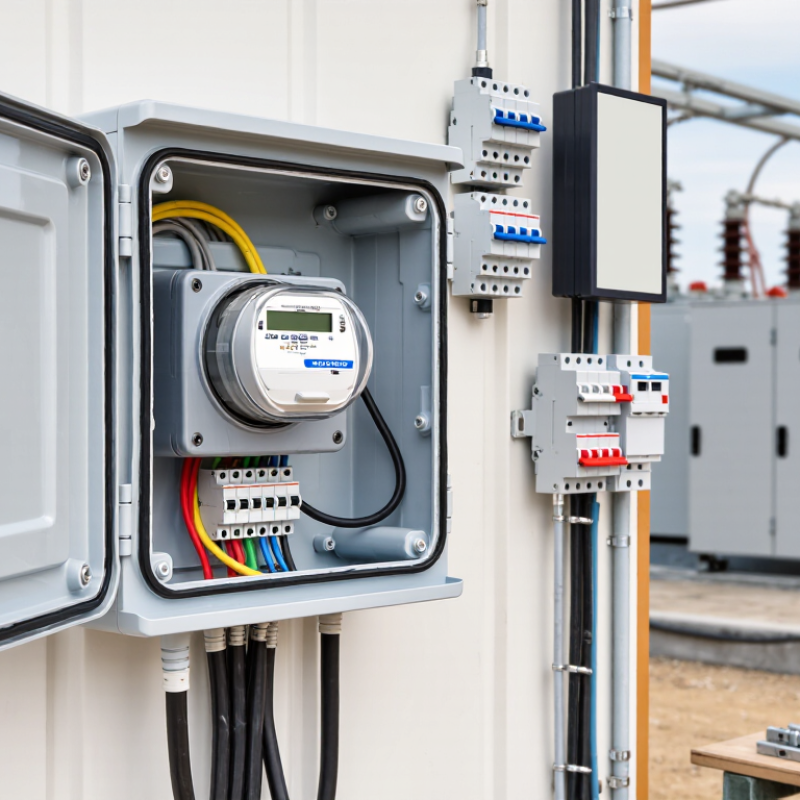
An electricity metering box is a protective enclosure for the electricity meter, cables, and connection points. It separates metering equipment from moisture, dust, impact, and unauthorized interference. Its job is not merely to hold a meter. It supports safe reading, testing, maintenance, and controlled access.

A well-designed box usually includes a strong enclosure, clear wiring space, secure locks, and ventilation where required. Transparent covers can help technicians read displays without opening the door. During practical site checks, I look for water marks, loose hinges, overheated terminals, and cramped wiring. Small details matter. A damaged seal can allow moisture inside. Poor cable routing can make future repairs slower and riskier. These issues may appear minor, but they can affect measurement reliability and personal safety.

When comparing electricity metering box suppliers, buyers should examine material quality, dimensional accuracy, test records, and installation guidance. Reliable suppliers should explain enclosure ratings, temperature limits, meter compatibility, and inspection procedures. They should also provide traceable documentation rather than vague assurances. Local utility requirements must be checked before ordering. A box suitable for one project may fail another project’s access or mounting rules. I have learned that appearance can mislead. A neat cabinet may still have weak hinges or insufficient internal clearance. Price matters, but replacement work, downtime, and difficult maintenance often cost more. Supplier responsiveness after delivery also deserves attention.

Which Features Define a Reliable Metering Box Supplier?

Reliable metering box suppliers distinguish themselves through evidence, not polished catalogs. In field inspections, I look for clear test records, material specifications, and traceable production batches. A dependable supplier explains enclosure ratings in plain language. The box should resist rain, dust, impact, and prolonged sunlight. It must also maintain safe clearances around terminals and cables. Vague promises are warning signs.

Good suppliers ask practical questions before quoting. They confirm meter dimensions, cable entry points, mounting conditions, and expected load. They offer drawings that installers can actually read. Their boxes should support secure covers, tamper-evident features, and stable hinges. A certified test report matters, but it should match the exact product configuration. Samples should arrive with labels, inspection dates, and installation guidance.

Support after delivery reveals more than sales material. Reliable teams respond quickly when a lid cracks, a seal fails, or a shipment differs from the approved sample. Spare parts and replacement procedures reduce site delays. I also value suppliers that document corrective actions instead of hiding mistakes. No enclosure is perfect. Even a well-designed box can suffer from poor installation or condensation. That is why supplier training, honest limitations, and realistic lead times deserve equal attention. The lowest price may become expensive when installers must improvise.

What Are the Top Electricity Metering Box Suppliers? - Which Features Define a Reliable Metering Box Supplier?

Supplier evaluation matrix based on enclosure performance, compliance evidence, customization capability, and quality control.

Note: Requirements vary by utility, installation environment, and local electrical regulations. Certification claims should be verified against current supplier documentation.
Supplier Category Typical Product Scope Common Enclosure Materials Relevant Performance Evidence Customization Capability Quality and Traceability Best-Fit Application
Utility-Approved Enclosure Supplier Residential and commercial meter boxes designed around local utility installation rules. UV-stabilized polycarbonate, fiberglass-reinforced polyester, or galvanized steel. Utility approval, documented impact resistance, weather protection, and compatibility with approved meter sockets. Meter socket layouts, cable-entry positions, sealing points, locks, and utility-specific dimensions. Batch identification, inspection records, material specifications, and approval documentation. Large residential developments and projects requiring utility acceptance.
Industrial Electrical Enclosure Manufacturer Metering cabinets for industrial, commercial, and multi-circuit distribution systems. Painted or stainless steel, aluminum, and engineered polymer systems. Ingress-protection testing under IEC 60529, corrosion-resistance data, grounding continuity, and enclosure design documentation. Custom gland plates, busbar supports, internal barriers, ventilation, cable compartments, and mounting arrangements. Engineering drawings, bill of materials, serial or batch tracking, and documented final inspection. Factories, commercial buildings, data facilities, and high-current installations.
Outdoor Polymer Metering Box Specialist Lightweight external meter boxes for residential and low-voltage service connections. UV-resistant polycarbonate, ABS blends, or fiberglass-reinforced polyester. UV exposure data, impact testing, water-ingress protection, flame-performance information, and operating-temperature limits. Transparent viewing windows, tamper-evident covers, modular meter positions, and preconfigured cable entries. Material certificates, mould identification, dimensional inspection, and production sample testing. Coastal, humid, exposed, or corrosion-prone outdoor locations.
Metal Metering Cabinet Fabricator Fabricated steel or aluminum cabinets for larger meters, CT metering, and multiple service connections. Galvanized steel, powder-coated carbon steel, stainless steel, or aluminum. Coating thickness, corrosion protection, mechanical strength, protective bonding, and applicable assembly test records. High; supports bespoke dimensions, doors, partitions, lifting points, locks, and internal mounting plates. Approved drawings, welding or fabrication inspection, coating records, and electrical continuity checks. Utility compounds, commercial service rooms, and industrial substations.
Modular Distribution Board Supplier Integrated meter-and-distribution assemblies for apartment blocks, offices, and mixed-use buildings. Powder-coated steel, aluminum, or insulated polymer components. Assembly verification, temperature-rise assessment, short-circuit withstand data where applicable, and clearances for live parts. Meter compartments, protective devices, busbars, neutral links, communication modules, and segregated sections. Single-line diagrams, wiring schedules, torque records, inspection checklists, and final test reports. Multi-tenant buildings and projects requiring coordinated metering and distribution.
Contract Manufacturer with Engineering Support Private-label or project-specific metering boxes manufactured from customer-approved designs. Material selected according to mechanical, environmental, fire, and installation requirements. Design validation, prototype testing, dimensional checks, and evidence aligned with the destination market. Very high; suitable for new designs, low-volume projects, special interfaces, and controlled design changes. Document control, first-article approval, change management, incoming inspection, and production testing. OEM projects, special utility programs, and customized export requirements.

Core Features of a Reliable Metering Box Supplier

  • Provides verifiable test reports, drawings, material data, and applicable conformity documents.
  • Clearly states enclosure ratings, operating temperature, UV resistance, impact performance, and corrosion protection.
  • Maintains consistent dimensional control, traceable production batches, and documented final inspections.
  • Offers secure covers, tamper-evident provisions, safe cable routing, adequate working space, and reliable earthing arrangements.
  • Can demonstrate compatibility with the required meter socket, utility specification, installation method, and local electrical code.

Who Are the Leading Electricity Metering Box Suppliers?

Leading electricity metering box suppliers are not always the largest manufacturers. Reliable suppliers usually combine certified production, practical engineering, and responsive service. Their boxes must protect meters from rain, dust, heat, tampering, and accidental impact. Field inspections often reveal small differences. Door alignment, cable space, sealing quality, and terminal access can affect long-term maintenance.

Look for suppliers with documented testing and traceable materials. Strong manufacturers normally provide enclosure ratings, flame-resistance data, dimensional drawings, and installation guidance. They should also understand local utility requirements, including meter layouts, incoming cable routes, and grounding arrangements. A supplier with regional technical support can solve problems faster than a distant factory. That matters during busy installation periods.

Ask about sample approval before placing a large order. Check the box under sunlight, moisture, and repeated door movement. Cheap plastic may become brittle. Metal units may corrode when coatings are poor. No supplier is perfect. Even experienced teams can overlook ventilation or future meter upgrades. This is where honest communication becomes valuable. The leading electricity metering box suppliers explain limitations clearly, offer controlled customization, and maintain consistent quality between batches. Their reputation should come from verified projects, stable documentation, and dependable after-sales support, not only attractive catalog images.

How Do Suppliers Differ in Quality, Compliance, and Customization?

Electricity metering box suppliers differ most in quality control, compliance discipline, and customization depth. A reliable supplier should use weather-resistant materials, secure hinges, clear terminal layouts, and stable mounting points. The box should withstand heat, moisture, dust, and repeated maintenance visits. Small details matter. A weak latch can create costly problems.

Compliance requires more than displaying a certificate. Experienced suppliers can explain test methods, material ratings, insulation performance, and regional installation requirements. Buyers should request inspection records, batch traceability, and sample test reports. A factory audit can reveal practical weaknesses, such as poor cable routing or inconsistent sealing. However, documents may not reflect every production batch, so independent checks remain valuable.

Customization separates capable suppliers from simple fabricators. Options may include enclosure dimensions, transparent windows, lock systems, ventilation, cable entry positions, and internal partitions. Good engineers review installation conditions before changing a design. They ask about meter size, wiring space, sunlight, and maintenance access. Over-customization can also increase cost and delay production. That trade-off is easy to underestimate. A supplier may offer many options but lack strong design control. Comparing prototypes, drawings, tolerance data, and after-sales response gives a clearer picture than price alone. My assessment may still be incomplete without field feedback, because long-term performance often appears after several seasons.

How Can Buyers Select the Right Metering Box Supplier?

Choosing the right electricity metering box supplier requires more than comparing unit prices. The IEA’s Electricity 2024 report projects global electricity demand will grow by about 3.2% annually through 2026. That pressure makes dependable metering infrastructure increasingly important. Buyers should examine enclosure strength, heat resistance, cable space, sealing quality, and compatibility with local meter dimensions. A box that looks solid may still create installation problems.

Ask suppliers for test records linked to IEC 62052 and IEC 62053 requirements, where applicable. Request calibration evidence, material specifications, IP-rating reports, and sample inspection results. Experience matters here. A supplier should explain how it controls incoming materials, production tolerances, and final electrical safety checks. I would also examine warranty terms and replacement procedures. They often reveal more than a polished catalogue. Check production capacity, typical lead times, and whether serial numbers support traceability. The World Bank’s Global Electrification Database shows that electricity access remains uneven across regions, so local installation conditions deserve serious attention.

Tips: Compare three samples, not three brochures. Measure wall thickness, hinge movement, lock fit, and terminal clearance with a real meter. Ask for a written response to moisture, ultraviolet exposure, and temperature concerns. Calculate total cost, including freight, testing, rejected units, and field labor. Do not choose the cheapest offer automatically. That shortcut can become expensive. Also, supplier documentation is not proof of consistent production; independent inspection may still be necessary.

FAQS

What separates a reliable metering box supplier from a weak one?

Reliable suppliers control materials, dimensions, sealing, and final inspections consistently. Their boxes use weather-resistant materials, secure hinges, and stable mounting points. Small details matter. A weak latch may cause repeated service problems.

Which physical features should buyers inspect?

Check wall thickness, hinge movement, lock fit, terminal clearance, and cable entry space. Use a real meter during inspection. Confirm the enclosure handles heat, moisture, dust, and sunlight. A solid appearance can still hide poor internal space.

What compliance documents should a supplier provide?

Request material specifications, insulation results, sealing reports, sample test records, and calibration evidence. Ask whether testing matches applicable regional requirements. Certificates alone are not enough. Inspection records should connect with specific production batches.

Why is batch traceability important?

Traceability links materials and finished boxes to production records. Serial numbers can help identify affected units later. Documents may not represent every batch. Independent checks remain valuable.

How can buyers evaluate customization capability?

Ask for drawings, prototypes, tolerance data, and internal layout details. Custom options may include dimensions, windows, locks, ventilation, cable positions, and partitions. Good engineers study meter size and maintenance access before changing designs.

Can too much customization create problems?

Yes. Extra features may increase cost, production time, and design errors. A supplier may offer many options without strong design control. I may underestimate this risk without field feedback.

How should buyers compare suppliers beyond unit price?

Compare at least three physical samples, not only brochures. Calculate freight, testing, rejected units, installation labor, and replacement costs. Review warranty terms and response procedures. Price is not enough.

What questions reveal a supplier’s production discipline?

Ask about incoming material checks, production tolerances, sealing control, and final electrical safety inspections. Confirm normal lead times and available capacity. Request written answers about moisture, ultraviolet exposure, and temperature. Some answers may remain vague, which deserves caution.

What installation conditions deserve special attention?

Check local meter dimensions, wiring routes, sunlight, temperature, moisture, and maintenance space. Regional conditions differ considerably. A box suitable for one site may fail elsewhere. Field testing is still the missing piece sometimes.

Conclusion

An Electricity Metering Box is a protective enclosure designed to house electricity meters, connections, and related components in a secure, organized, and accessible way. It plays an important role in accurate energy measurement, user safety, equipment protection, and efficient maintenance. A reliable supplier should offer boxes made from durable, weather-resistant, and fire-conscious materials, with strong insulation, secure locking systems, clear wiring space, and designs suitable for different installation environments. Consistent manufacturing quality and thorough product testing are also essential.

Leading suppliers distinguish themselves through dependable performance, compliance with recognized electrical and safety standards, flexible customization, and responsive technical support. Some focus on compact residential solutions, while others provide larger configurations for commercial or infrastructure applications. When selecting a supplier, buyers should compare material quality, structural design, certification documentation, production capacity, delivery reliability, customization options, warranty terms, and after-sales service. Choosing a supplier that combines technical expertise with stable quality control can help ensure long-term safety, accurate metering, and cost-effective installation.

Amelia

Amelia

Amelia is a seasoned marketing professional with a wealth of expertise in our company’s core offerings. With an unwavering passion for driving growth and innovation, she plays a pivotal role in shaping our marketing strategies and enhancing brand visibility. A key aspect of her responsibilities......